
Published on
Last updated on
What Is the MFDS? Understanding South Korea’s Medical Device Authority
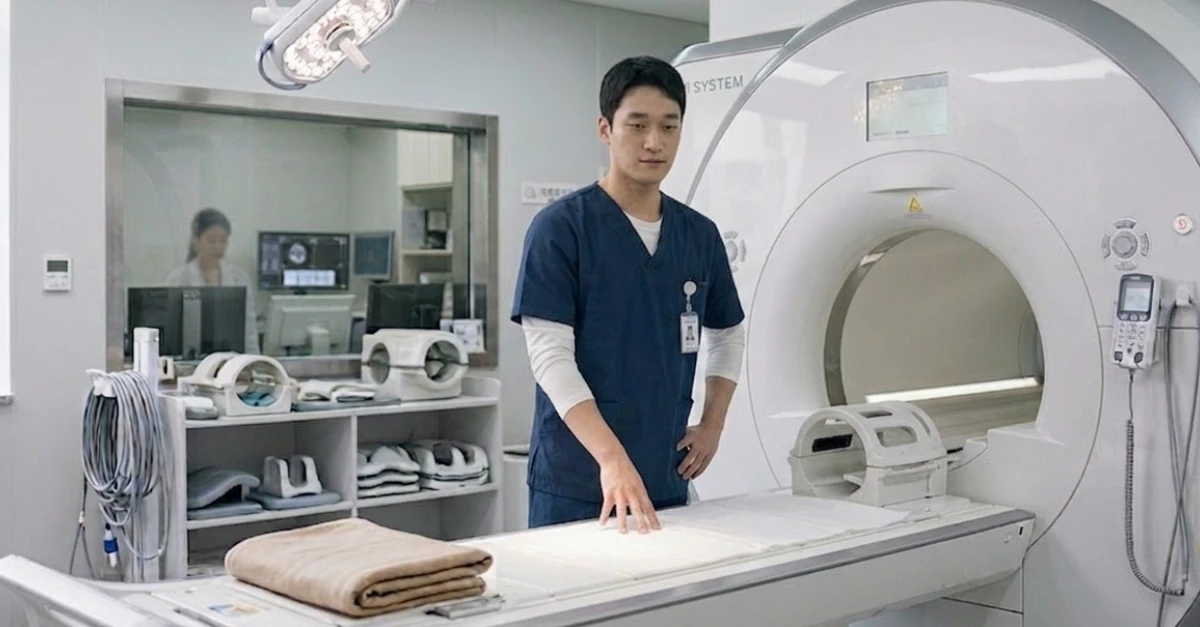
The Ministry of Food and Drug Safety (MFDS) is South Korea's central authority for medical device regulation. It establishes the rules that govern how medical devices are classified, reviewed, authorized and monitored throughout their lifecycle in the Korean market.
For foreign manufacturers, the MFDS influences nearly every stage of market access, from classification and regulatory pathway determination to KGMP compliance, technical documentation review, clinical evidence requirements, market authorization, and ongoing post-market regulatory compliance.
Continue reading to understand what the MFDS is, how it fits into South Korea's regulatory framework and the role it plays before and after market authorization. Or for support with MFDS registration or Korean License Holder services, contact Cisema today.
Who Regulates Medical Devices in South Korea?
The MFDS is South Korea's national authority responsible for regulating medical devices, pharmaceuticals, food products, cosmetics and other health-related products. It is often compared to the U.S. Food and Drug Administration (FDA), but South Korea operates under its own regulatory system.
For example, medical devices are regulated according to Korean classification rules, product types, technical documentation requirements, and defined regulatory pathways, supported by specific review bodies and delegated agencies.
As a result, FDA clearance, CE marking or ISO 13485 certification do not automatically satisfy Korean requirements. Foreign approvals may support certain aspects of an MFDS submission, but they do not replace compliance with Korean regulatory requirements
History and Evolution of the MFDS
Before 2013, many of Korea’s regulatory functions were handled by the Korea Food and Drug Administration. As the country’s pharmaceutical, biotechnology and medical technology sectors expanded, the government elevated the authority to the MFDS following revisions to the National Government Organization Act.
This change reflected a shift toward a more specialized regulatory system with increased emphasis on:
- Risk-based classification and review
- Technical and clinical evidence evaluation
- Post-market safety controls
- Software and digital healthcare regulation
- International regulatory harmonization (GHTF/IMDRF principles)
- Control of emerging and innovative technologies
Today, the MFDS plays a central role in ensuring the safety, effectiveness and quality of medical devices supplied to the Korean market.
Key MFDS Responsibilities for Medical Devices
Under South Korea's Medical Devices Act and related regulations, the MFDS is responsible for establishing and enforcing the country's medical device regulatory framework.
Its responsibilities include:
- Market access regulation: classifying medical devices and determining the applicable regulatory pathways for authorization
- Application review: Reviewing and approving medical devices subject to MFDS authorization; overseeing delegated notification and certification activities conducted through affiliated organizations
- Post-market surveillance: monitoring device safety through adverse event reporting, safety investigations and ongoing vigilance activities
- Corrective safety actions: ordering and overseeing product recalls, field safety corrective actions and related measures
- Change assessment: review of certain post-approval changes that may affect safety, performance, or regulatory status
- Regulatory enforcement: ensuring compliance with applicable regulations through administrative actions where necessary
The MFDS therefore functions not only as a market access authority, but also as the legal regulator responsible for ongoing compliance throughout a medical device’s lifecycle in Korea.
Organizations Supporting the MFDS
While the MFDS is the primary regulatory authority, several affiliated organizations support medical device regulation in South Korea.
NIDS: Notification, Certification and Safety Support
The National Institute of Medical Device Safety Information (NIDS) performs delegated regulatory functions assigned by the MFDS, including Class I notifications, certain Class II certifications, technical documentation review, post-market safety activities and regulatory training.
Although manufacturers may interact with these organizations during the regulatory process, the MFDS remains the authority responsible for overall regulatory oversight.
NIFDS: Scientific and Technical Review
The National Institute of Food and Drug Safety Evaluation (NIFDS), an affiliated agency of the MFDS, conducts scientific and technical reviews, particularly for:
- Class II, III, and IV devices requiring approval
- Novel or higher-risk medical technologies
- Devices requiring comprehensive scientific and technical evaluation
Although manufacturers interact with these organizations during the regulatory process, the MFDS remains the legally responsible authority for final regulatory decisions.
How the MFDS Classifies Medical Devices
One of the MFDS's core responsibilities is classifying medical devices according to risk and determining the level of regulatory review required before market entry.
South Korea's regulatory framework includes three primary pathways:
- Notification – generally used for lower-risk devices and involves the submission of basic product and company information.
- Certification – typically applies to certain Class II devices and focuses on demonstrating conformity with an existing device type.
- Approval – requires a more comprehensive regulatory review and is generally used for higher-risk, novel or technologically complex devices.
The applicable pathway is determined not only by the device classification but also by the applicable MFDS product code and regulatory requirements.
To determine which pathway applies, the MFDS uses a four-class, risk-based classification system that is harmonized with GHTF/IMDRF principles.
Depending on the pathway involved, NIDS may support activities such as notifications, certifications and technical documentation review. For higher-risk or more complex products, NIFDS may provide scientific and technical assessments as part of the review process.
Through this classification framework, the MFDS determines the level of regulatory scrutiny applied before a device can be placed on the Korean market.
MFDS Oversight After Approval
The MFDS's role does not end once a medical device receives market authorization. The authority continues to oversee the safety, performance and regulatory compliance of medical devices throughout their commercial lifecycle in South Korea.
As part of its post-market responsibilities, the MFDS supervises activities such as:
- Complaint handling and investigation
- Adverse event reporting
- Field safety corrective actions
- Product recalls
- Korean labelling and regulatory updates
- Distribution and traceability requirements
- Review of significant product changes
- KGMP compliance and quality system oversight
- License maintenance, periodic regulatory reporting, and ongoing regulatory compliance, where applicable
The MFDS also evaluates certain changes that may affect a device's safety, effectiveness or regulatory status. This can include modifications to a device's design, intended use, materials, manufacturing processes, software or labelling.
Final Thoughts
The MFDS is often seen as a gateway to the Korean market, but that view only captures the starting point. In practice, it is the authority that continuously defines what “compliant” means, from initial classification and approval through to ongoing post-market control.
Market access in Korea is therefore not just about obtaining authorization, but about maintaining alignment with the MFDS framework over the full lifecycle of a device.
Cisema supports manufacturers in building that continuity into their regulatory strategy. From initial MFDS pathway planning and KGMP preparation to Korean Local Authorized Representative (LAR) and License Holder arrangements and ongoing post-market compliance, Cisema helps ensure that access to the Korean market remains stable beyond approval.
For manufacturers seeking support with MFDS registration and Korean License Holder services, contact Cisema for tailored support.

Further Information
Explore Cisema’s services for medical device registration in South Korea.
References
Connect with Cisema
With more than 20 years of experience and a team of over 100 specialists, Cisema helps global companies achieve compliance across Asia Pacific with confidence and accelerate market entry.
Stay Informed with Monthly News and Analysis
Stay informed with the latest regulatory changes, expert insights, and market opportunities across APAC, delivered straight to your inbox.
Related Articles

Learn how a smart clinical trial strategy for medical devices in China can speed up NMPA approval and bring your product to market faster.
.avif)
Learn 5 key steps for China dental medical device registration, covering classification, biocompatibility testing, and legal agent selection.
Get answers to common China medical device and IVD registration questions, from NMPA classification rules to testing and renewal requirements.