
Regulatory News from Across Asia-Pacific

New requirements could affect how injectable devices, including dermal fillers, are supplied in Hong Kong’s private healthcare sector.

China’s new Healthcare Security Law affects medical device reimbursement, health economic evidence, payment models, and digital traceability from 2027.

BPJPH Regulation No. 4 of 2026 introduces pre-shipment halal verification and LPPH reports for imported goods starting September 2026.

New CVDA guidelines provide detailed guidance for online veterinary drug sellers and platforms, covering licensing, imports, labeling, prescriptions, and traceability.

China’s NMPA has released YY/T 2029–2026, establishing the world's first AI-BCI EEG dataset quality standard for medical devices ahead of its September 2027 enforcement.

China's NMPA has established two supplementary testing methods to detect prohibited substances in cosmetics with high-sensitivity liquid chromatography.

China’s Science Ministry issued ethical guidelines establishing strict standards for AI medical imaging data, algorithm validation, and ethics reviews.

China’s latest regulatory change removes the NCI registration hurdle for these ingredients, with new limits and compliance requirements now applying to finished cosmetic products.

From October 1, 2026, TFDA will expand electronic review and stop issuing paper copies of approved labeling for Class I, II, and III medical devices in Taiwan.

Taiwan's TFDA has revised its processing time limits table for public applications, adding eight application items and amending two existing items.

China issues GB/T 47941.1-2026, establishing national terminology standards for AI medical devices to streamline regulatory reviews and compliance for global manufacturers.

China proposes ICH E6(R3) Annex 2 implementation from January 2027, with public comments open for one month from August 10 2026.

The guideline introduces more detailed evidence requirements for Hong Kong and Macao drug imports while retaining a streamlined pathway for products already approved under the GBA Connect scheme.
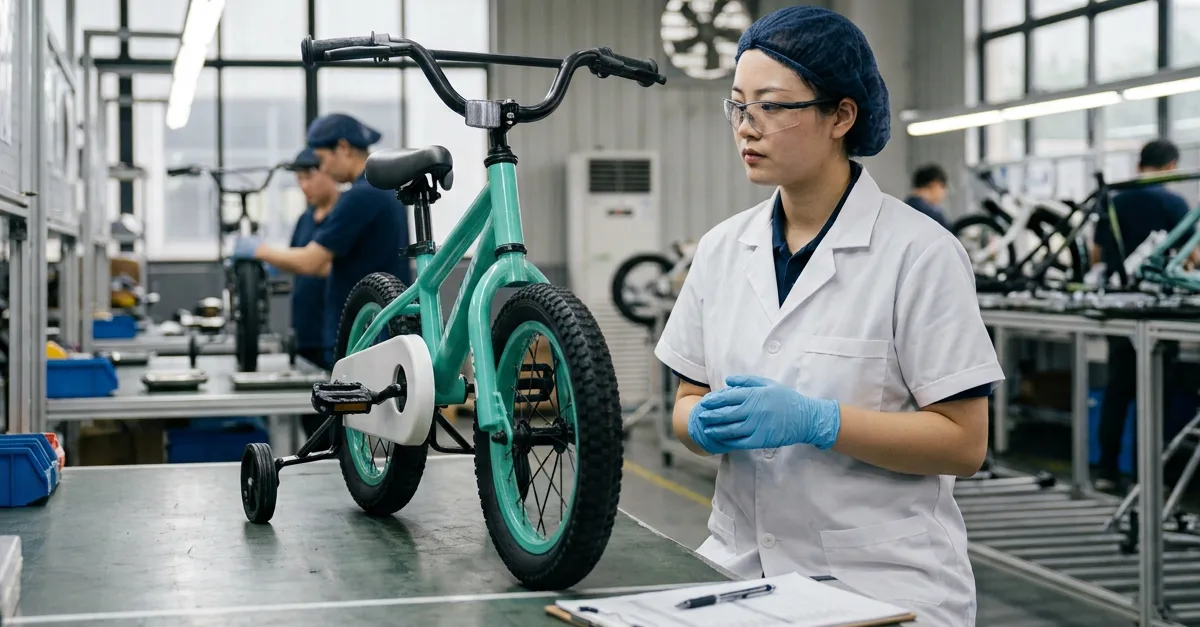
TC21-2026-02 introduces stricter chemical limits, enhanced safety requirements, and a 2027 compliance deadline for toys and children’s vehicles.
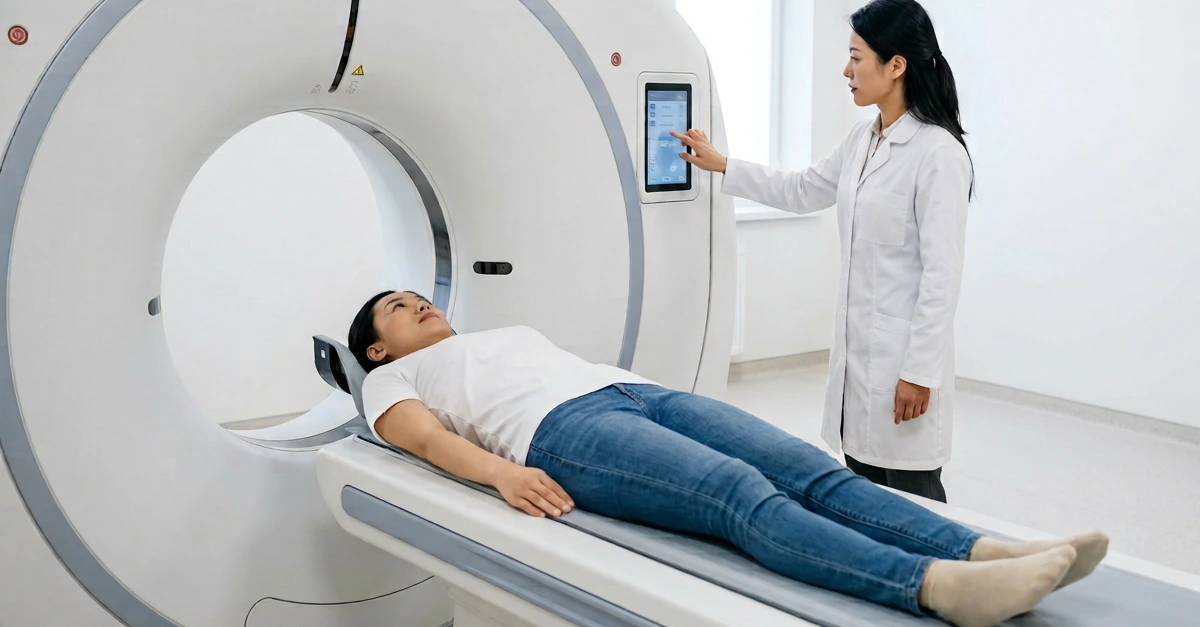
The revised 2026 GBA Connect Scheme framework sets higher bars for clinical need while fast-tracking repeat approvals for imported medical devices.

TC07 clarifies how companies must convert eligible CCC self-declarations to third-party certification before mandatory compliance deadlines.

The draft clarifies when CDE may issue written supplementary information requests and when major deficiencies identified during review may instead lead to a non-approval conclusion.

The R&D import whitelist scheme streamlines customs clearance while maintaining specific eligibility, traceability, and risk-control requirements.

The new edition covers license applications, processing times, renewals, and licensing changes for registered products in Malaysia.

Taiwan’s TFDA released its updated 2026 recognized medical device standards list to harmonize regulations and streamline global market access.
No articles match that combination. Try a different category or market.
Get in Touch with Our Regulatory Consultants
And discover how we can support your needs across Asia-Pacific.