
Medical Devices

New requirements could affect how injectable devices, including dermal fillers, are supplied in Hong Kong’s private healthcare sector.

China’s new Healthcare Security Law affects medical device reimbursement, health economic evidence, payment models, and digital traceability from 2027.

BPJPH Regulation No. 4 of 2026 introduces pre-shipment halal verification and LPPH reports for imported goods starting September 2026.

China’s NMPA has released YY/T 2029–2026, establishing the world's first AI-BCI EEG dataset quality standard for medical devices ahead of its September 2027 enforcement.

China’s Science Ministry issued ethical guidelines establishing strict standards for AI medical imaging data, algorithm validation, and ethics reviews.

From October 1, 2026, TFDA will expand electronic review and stop issuing paper copies of approved labeling for Class I, II, and III medical devices in Taiwan.

Taiwan's TFDA has revised its processing time limits table for public applications, adding eight application items and amending two existing items.

China issues GB/T 47941.1-2026, establishing national terminology standards for AI medical devices to streamline regulatory reviews and compliance for global manufacturers.
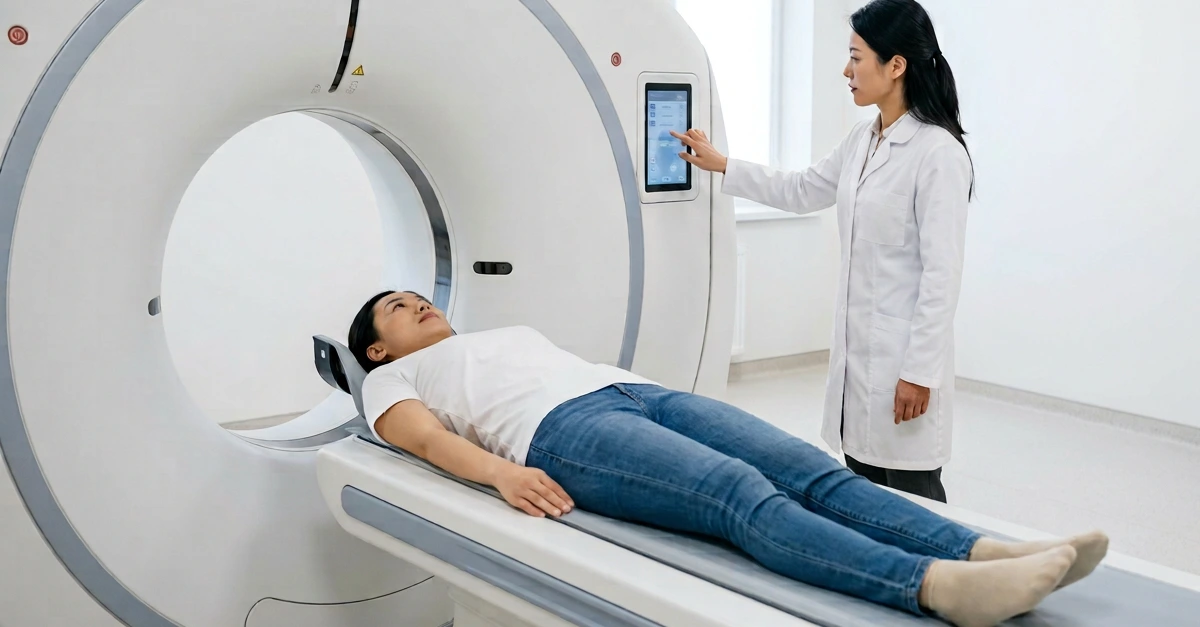
The revised 2026 GBA Connect Scheme framework sets higher bars for clinical need while fast-tracking repeat approvals for imported medical devices.

Taiwan’s TFDA released its updated 2026 recognized medical device standards list to harmonize regulations and streamline global market access.

Overseas medical device manufacturers must prepare for Malaysia MDA's new hologram labeling framework designed to curb counterfeits and secure supply chains.
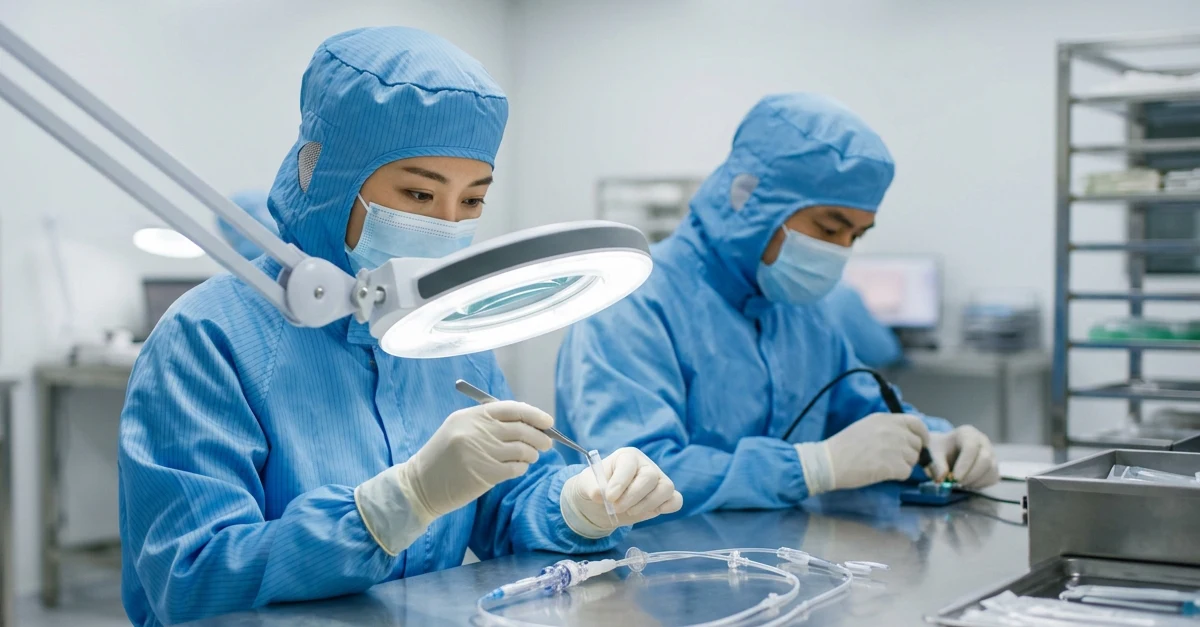
Understand what China’s revised medical device GMP means for quality management and digital compliance, alongside changes to classification, emerging technologies, and online sales.
Get in Touch with our Certifications team
And discover how we can support you in getting your products certified for China.