
China

Understand the key differences between China Medical Device GMP and ISO 13485, including requirements for quality management, suppliers, facilities and documentation.

Discover how leveraging Real World Data generated in the Greater Bay Area can accelerate market entry for medical products in China.

Learn about China's Unique Device Identification (UDI) system and how to navigate China’s evolving medical device market.

Avoid common China infant formula labeling mistakes involving registration, allergen statements, date marking, milk-source claims, production changes, and existing inventory.
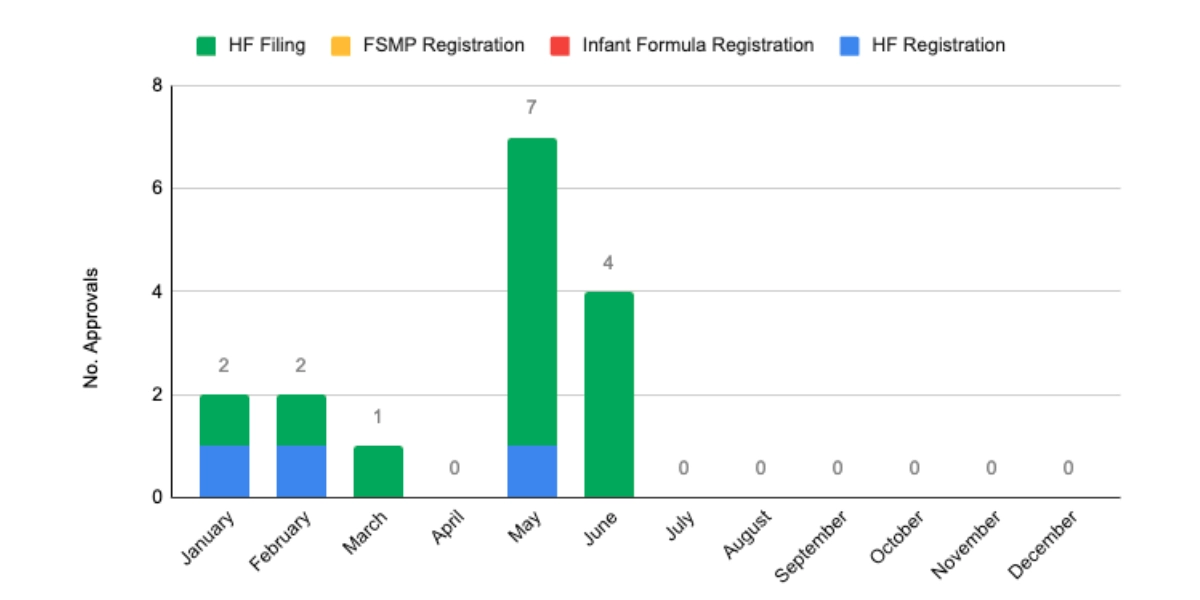
Track China’s 2026 imported health food approvals, monitor SAMR regulatory trends, and compare market activity by category and source with Cisema’s interactive tracker.
.avif)
Learn 5 key steps for China dental medical device registration, covering classification, biocompatibility testing, and legal agent selection.

Learn how a smart clinical trial strategy for medical devices in China can speed up NMPA approval and bring your product to market faster.
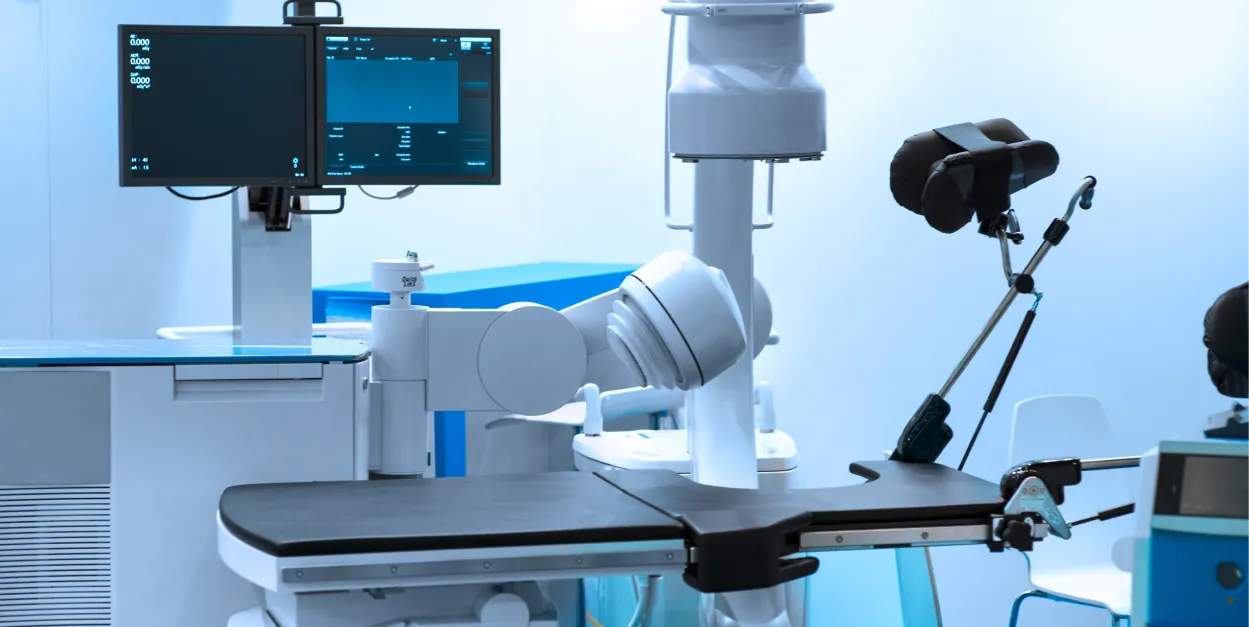
Get answers to common China medical device and IVD registration questions, from NMPA classification rules to testing and renewal requirements.

Gain clarity on often-misunderstood China Manufacture License (CML) requirements, including SELO approval, demo products, and CSEI audits.
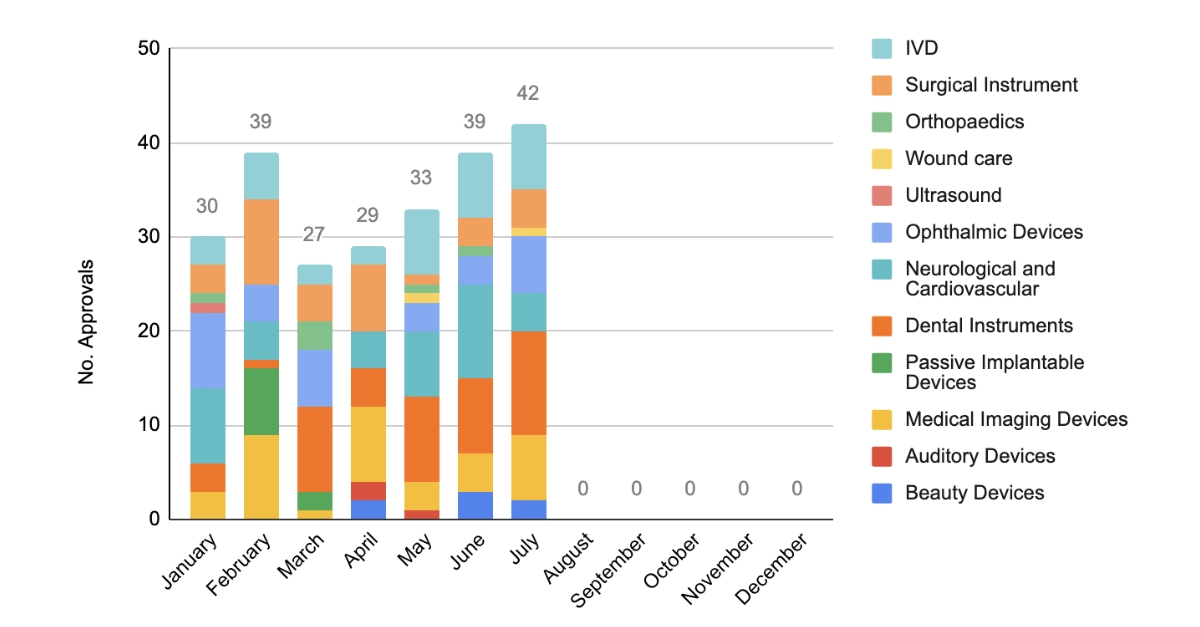
Track all imported Class II and III medical device approvals in China with this monthly updated NMPA submission tracker.

Learn how China regulates SaMD, including NMPA risk classification, registration, clinical evaluation, cybersecurity, AI, and software changes.

Find out when a clinical trial is required in China and when clinical evaluation, exemptions, overseas data, or other evidence may be sufficient.

Learn how MARA imported feed registration in China works: Product eligibility, registration requirements, China-based agents, testing and more.

Learn the key requirements for China food labeling compliance: mandatory label content, ingredient declarations, imported food requirements, and more.

Learn the latest China NMPA registration fees for imported and domestic drugs and medical devices.
%20Market%20A%20Guide%20for%20Foreign%20Manufacturers%20(1).avif)
Understand the pathway for intraocular lens (IOL) registration in China, including NMPA requirements and key compliance steps.

A complete guide to China hyaluronic acid registration, covering classification, NMPA requirements, and compliance steps for manufacturers.

Practical China medical device glossary explaining NMPA terms, with clear comparisons to US FDA and EU MDR terminology.

Learn how China medical device risk classification works under NMPA rules and see common compliance pitfalls to avoid.

Learn how China IVD risk classification works under NMPA rules and see common compliance pitfalls to avoid.
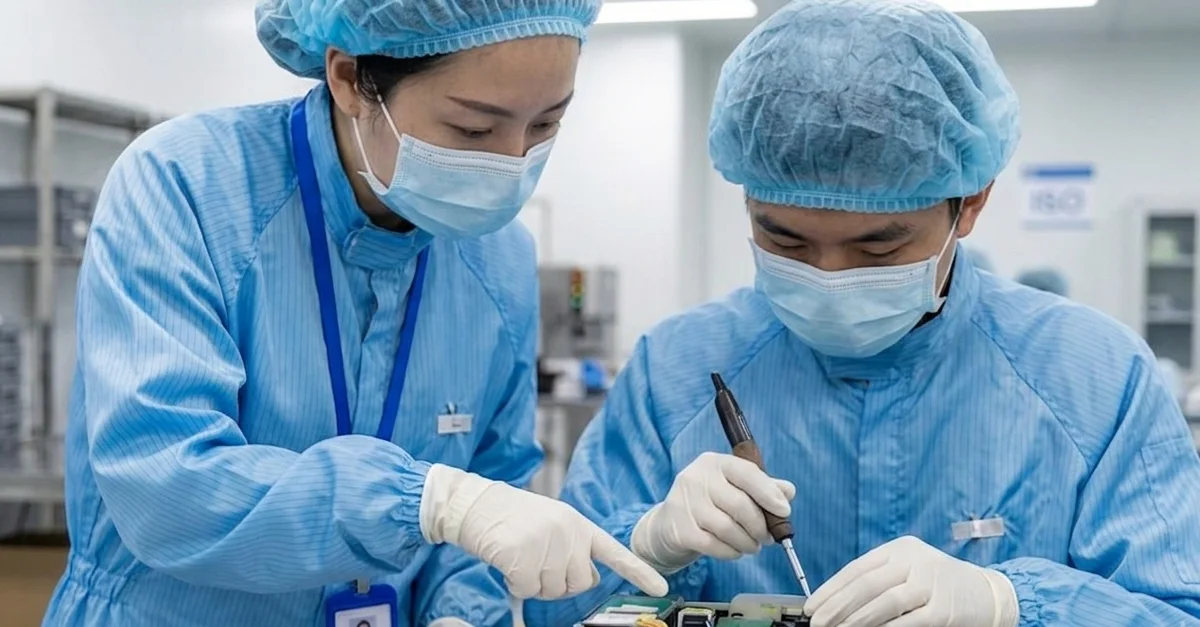
Identify China medical device GMP gaps and prepare QMS, supplier, data, and inspection controls before NMPA market entry.

China’s 15th Five-Year Plan signals stronger support for innovative drugs, advanced medical devices, reimbursement reform, and NMPA regulatory pathways.
.avif)
Learn about Cisema’s redesigned website with faster performance, clearer navigation and expanded Asia Pacific coverage.

China Enacts First Healthcare Security Law: Impact on Global Medtech
China’s new Healthcare Security Law affects medical device reimbursement, health economic evidence, payment models, and digital traceability from 2027.

China Issues New Compliance Guidelines for Online Veterinary Drug Sales
New CVDA guidelines provide detailed guidance for online veterinary drug sellers and platforms, covering licensing, imports, labeling, prescriptions, and traceability.

NMPA Issues World’s First Industry Standard for Medical Devices Using/Adopting BCI Technology
China’s NMPA has released YY/T 2029–2026, establishing the world's first AI-BCI EEG dataset quality standard for medical devices ahead of its September 2027 enforcement.

China Establishes Official Testing Methods for Diclofenac Sodium & Urotropine in Cosmetics
China's NMPA has established two supplementary testing methods to detect prohibited substances in cosmetics with high-sensitivity liquid chromatography.

China Issues First Ethical Guidelines for Artificial Intelligence Medical Imaging Research
China’s Science Ministry issued ethical guidelines establishing strict standards for AI medical imaging data, algorithm validation, and ethics reviews.

China Approves NMN, Bakuchiol, & Two Other Ingredients for Existing Cosmetic Use
China’s latest regulatory change removes the NCI registration hurdle for these ingredients, with new limits and compliance requirements now applying to finished cosmetic products.

China Releases First National Standard for Artificial Intelligence Medical Devices
China issues GB/T 47941.1-2026, establishing national terminology standards for AI medical devices to streamline regulatory reviews and compliance for global manufacturers.

China Proposes ICH E6(R3) Annex 2 Compliance for Clinical Trials from 2027
China proposes ICH E6(R3) Annex 2 implementation from January 2027, with public comments open for one month from August 10 2026.

Guangdong MPA Implements 2026 Guideline for Importing Hong Kong and Macao Drugs into the Greater Bay Area
The guideline introduces more detailed evidence requirements for Hong Kong and Macao drug imports while retaining a streamlined pathway for products already approved under the GBA Connect scheme.
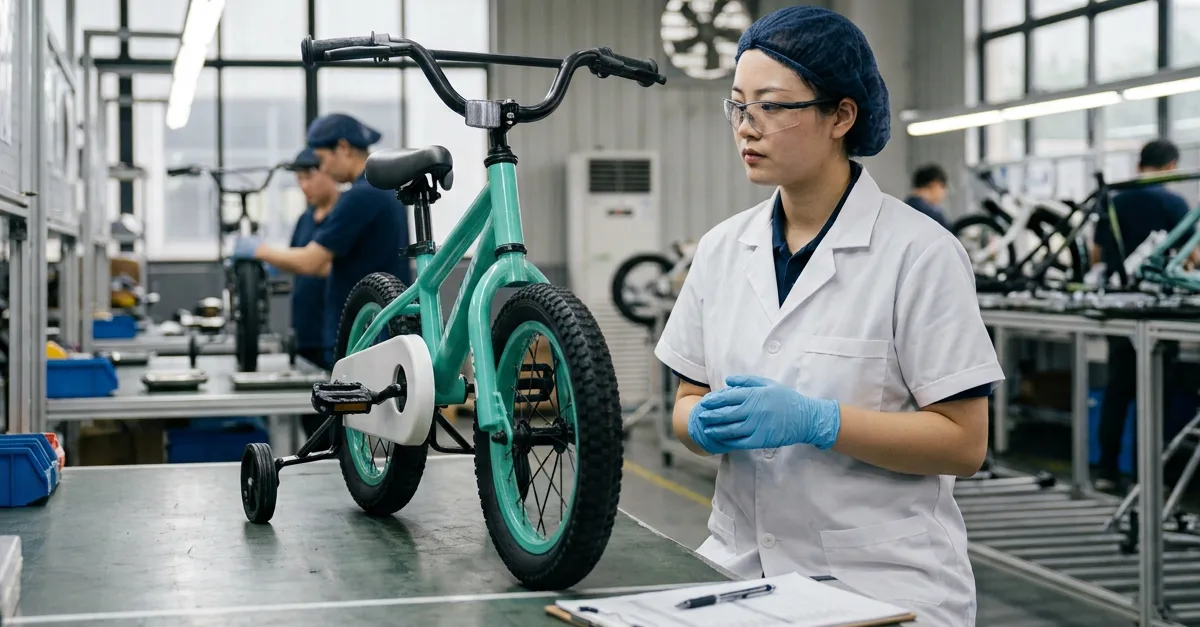
China Overhauls CCC Standards for Toys & Children's Vehicles with Strict Chemical & Physical Requirements
TC21-2026-02 introduces stricter chemical limits, enhanced safety requirements, and a 2027 compliance deadline for toys and children’s vehicles.

China Requires Manufacturers to Convert CCC Self-Declaration Certificates Before Jan 1st, 2027 Deadline
TC07 clarifies how companies must convert eligible CCC self-declarations to third-party certification before mandatory compliance deadlines.

CDE Proposes Revised Standards for Written Supplementary Information Requests
The draft clarifies when CDE may issue written supplementary information requests and when major deficiencies identified during review may instead lead to a non-approval conclusion.

Beijing Establishes Ongoing Whitelist Scheme for Biopharmaceutical R&D Material Imports
The R&D import whitelist scheme streamlines customs clearance while maintaining specific eligibility, traceability, and risk-control requirements.

China NMPA Proposes Updated Technical Requirements for Drug Traceability Systems
Learn the proposed changes to China’s drug traceability system requirements and the key considerations for industry stakeholders.

China NMPA Highlights Revised Medical Device GMP and Key Regulatory Reforms at 29th IMDRF Session
Understand what China’s revised medical device GMP means for quality management and digital compliance, alongside changes to classification, emerging technologies, and online sales.

China Overhauls Cosmetic Safety Rules with GB 7916-2026: Is Your Brand Ready?
Brands must audit ingredients, suppliers and packaging before January 2028 to ensure compliance with GB 7916-2026.
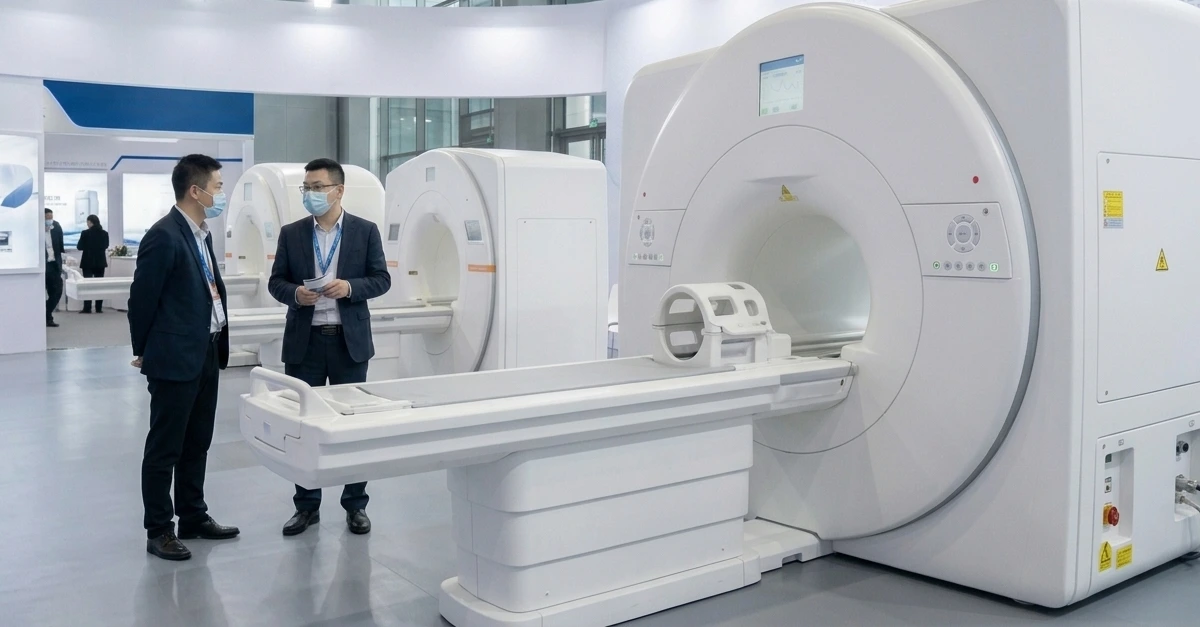
China Introduces Reforms to Support Value-Based Purchasing for Medical Equipment & High-Value Devices
By shifting the focus beyond lowest-price bidding, the new policy rewards innovation, clinical performance, and long-term value in public hospital procurement.

China Expands Animal Testing Data Exemptions in Major Cosmetics Registration and Filing Reform
Companies can benefit from expanded toxicology data exemptions, simplified cosmetics registration procedures, and more efficient compliance pathways

CDE Releases 2025 Annual Report on the Progress of Clinical Trials for New Drug Registration in China
Explore the latest data on China’s clinical research landscape, including record trial activity, shorter development timelines, and emerging R&D trends.

China Updates New Cosmetic Ingredient Registration Rules: Several Higher-Risk Ingredient Categories Removed
New NCI rules reduce administrative burden, streamline dossiers, and expand opportunities to reuse existing safety data.

NMPA Opens Consultation on Two Draft Cosmetic Adverse Reaction Standards: Cosmetic Cheilitis & Cosmetic Contact Urticaria
Review China's new draft standards for cosmetic cheilitis and contact urticaria before the August 15, 2026, consultation deadline.

NIFDC Publishes 2025 Cosmetics Review Report: 520,000+ Filings, 169 New Ingredients, & Key Reforms
New data on cosmetic registrations, ingredient filings, safety assessments, and standards development reveals key compliance trends in China.

China Overhauls Cosmetics Import Rules Under GACC Order No. 284
New customs measures taking effect in December 2026 will reshape how cosmetics are inspected, cleared, labeled, and electronically verified in China.
China NMPA Introduces New Cosmetic Testing Methods, Effective July 2026
China NMPA adds four new cosmetic testing methods effective July 2026, impacting compliance and safety assessment strategies.
China NMPA Incorporates 18 Revised Cosmetics Standards Into 2015 Technical Framework
China’s NMPA is incorporating 18 revised cosmetics standards into the Safety and Technical Standards for Cosmetics.

China Issues Technical Guidelines on Updating New Cosmetic Raw Material Filings
China issues technical guidance clarifying when post-filing updates to new cosmetic raw materials are permitted.

China to Launch Three-Year Cosmetic E-Label Pilot Program
China will launch a cosmetic e-label pilot on February 1, 2026. Explore the labeling requirements and what preparation is required.
China NMPA Issues Extensive Policy Plan to Reform Cosmetics Regulation
NMPA outlines cosmetics regulation reforms, aiming to expand non-animal testing, streamline registration, and drive ingredient innovation.

China NIFDC’s 2024 Annual Cosmetics Review Report: Key Registration & Filing Trends
China’s 2024 NIFDC Cosmetics Review Report showcases soaring registrations and key opportunities for global beauty brands.

Cosmetic Ingredients in China: NIFDC Releases Final Trial Guidelines on History of Safe Use and Safe Consumption
Discover how new China NIFDC guidelines streamline filings for cosmetic raw materials, helping beauty brands enter the market faster.

CDE Releases 2024 Annual Report on Clinical Trials for New Drug Registration in China
China’s CDE 2025 clinical trial report covers 4,900 studies registered in 2024, highlighting key trends in drug development, therapeutic areas, and trial timelines.
NMPA Releases 2025 IVD Clinical Trial Exemption Catalogue
China’s 2025 IVD clinical trial exemption catalogue expands to 445 products, affecting clinical evidence requirements and IVD registration in China.
China NMPA Announces Action Plan to Upgrade Cosmetic Manufacturing Quality Management Systems
China’s NMPA launches a 2026–2028 action plan to strengthen cosmetic manufacturing quality systems, raising compliance expectations.
Chinese Pharmacopoeia 2025 Edition Implementation Announced
Learn about the new standards of the Chinese Pharmacopoeia 2025 Edition, implemented Oct 1, 2025, as well as relevant compliance strategies.

Chinese Pharmacopoeia 2020 Edition: Official English Translation Issued
Chinese Pharmacopoeia 2020 edition was translated into English and officially published by the Chinese CPC on March 14, 2023.
China's Drug Inspection Sampling Report of 2024 from NIFDC & NMPA Released
The NMPA’s 2024 national drug sampling covered 136 varieties and 20,604 batches, achieving a 99.4% compliance rate.

China Targets 65 Drugs in Its 12th National Procurement Round
The 12th national VBP round introduces tighter quality, manufacturing, and IP requirements that pharmaceutical companies must meet to compete.

China CDE Defines Classification Rules for Cell & Gene Therapy Drugs
New NMPA CDE guidelines define CTMP and GTMP boundaries, affecting development strategy, CMC planning, and regulatory engagement in China.

China's 2026 Essential Medicines Adds More Innovative Drugs
China's updated National Essential Medicines List expands access to innovative medicines, creating new opportunities and strategic considerations for pharmaceutical companies.
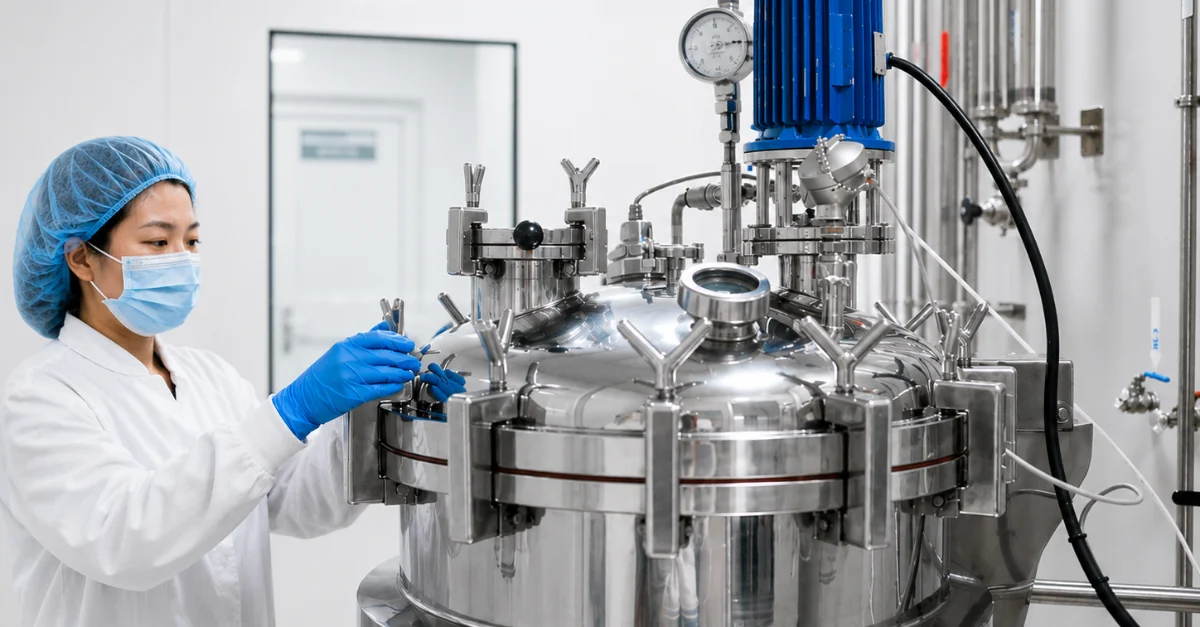
China NMPA Expands Priority Review for Chemical API Marketing Authorization Applications
China's NMPA expands priority review eligibility for chemical API marketing authorization applications, supporting domestic API production and drug supply.

China Releases 2026 Anti-Corruption Priorities for Pharmaceutical Sales & Medical Services
China's 2026 enforcement priorities expand scrutiny of pharmaceutical sales, procurement, pricing, data security, and compliance across the healthcare sector.
China Issues 2026 RoHS Catalogue: Expanded Scope & New Exemptions
MIIT expands China's RoHS product scope, adds four restricted substances, and introduces new exemptions with compliance deadlines from August 2027.
China NMPA Medical Device Clinical Evaluation Exemption 2025 Catalogue
NMPA issues Medical Device Clinical Evaluation Exemption 2025 impacting international medical device registration strategies

New Clinical Trial Exemption Lists for Medical Devices and IVDs
On 20.12.2019, the China NMPA (National Medical Products Administration) announced (No.91-2019) that it would add 148 medical devices and 23 in-vitro diagnostic reagents to the clinical trial exemption list, as well as to revise the names and descriptions of 48 medical devices and 4 in-vitro diagnostic reagents. Medical devices and in-vitro diagnostic reagents on the clinical trial exemption list won’t require completion of clinical trials in order to achieve NMPA certification.This new clinical trial exemption list is effective since the date of announcement on 20th December.Feel free to contact us if you would like to know what products were included in the clinical trial exemption list for medical devices, and the clinical trial exemption list for IVDs.

New Clinical Trial Exemption List
On 01.08.2019, the CMDE (Center for Medical Device Evaluation), published a revised “Clinical Trial Exemption List for Medical Devices”. 101 Class II and 41 Class III medical devices were added. The new clinical trial exemption list contains a total of 996 medical devices now. With regards to IVDs, 420 of class II and III IVDs are exempted.
New Clinical Trial Exemption List
On 30.09.2018, the NMPA published a revised “Clinical Trial Exemption List for Medical Devices and IVDs”, which was immediately implemented (NMPA No. 94-2018). 63 Class II and 21 Class III medical devices, 246 Class II and 31 Class III IVDs were added. The new clinic trial exemption list now contains a total of 855 medical devices and 393 IVDs.
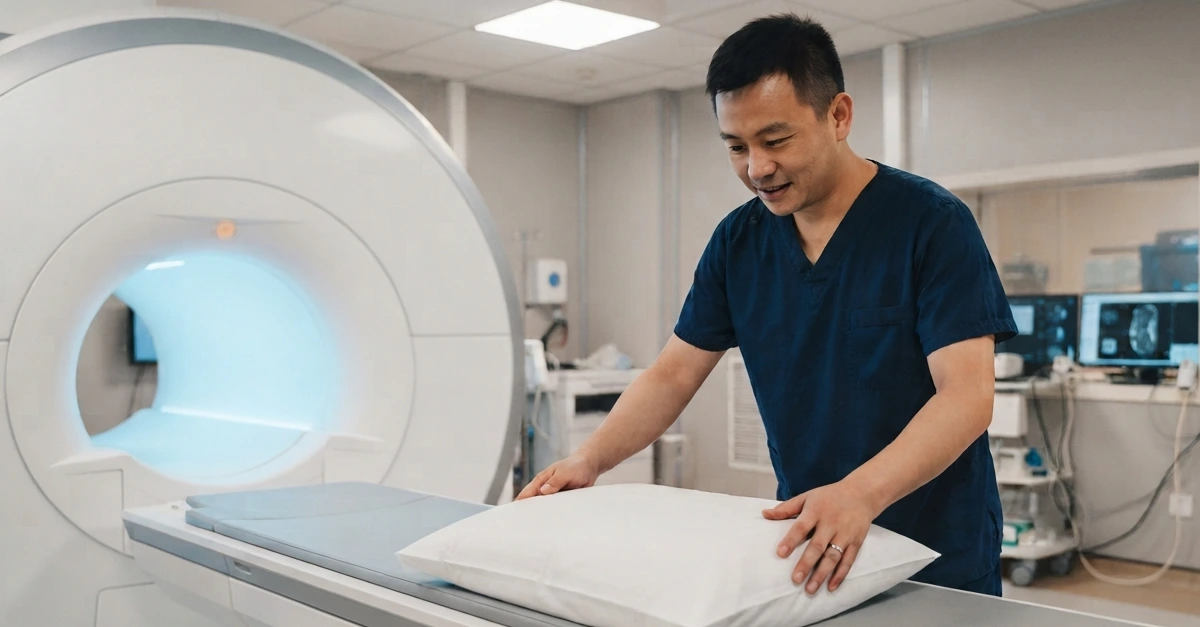
China Expands MRI Registration Requirements Under New 2026 Review Guideline
Manufacturers seeking MRI registration in China must meet expanded technical, software, and validation requirements.

China CMDE Releases New Review Documents for Oncology NGS & HLA-B*58:01 Reagents
The new documents clarify expectations for Tier III variants, companion diagnostic clinical evaluation, tissue and plasma registration, and HLA-B*58:01 analytical validation.

China Releases First Regulatory Guidance for Brain-Computer Interface Medical Devices
China's new BCI medical device guidance establishes classification and naming principles, giving manufacturers a clearer pathway to NMPA registration.

NMPA Releases Guideline on Appropriate Pharmaceutical Packaging Sizes to Reduce Drug Waste & Over-Packaging
New NMPA packaging size guidance encourages drug applicants to align pack sizes with clinical use, patient needs, and sustainability goals.

China Tightens Compliance Expectations for Online Prescription Drug Sales
The latest Guidelines raise the compliance bar for online prescription drug sales, with stricter oversight for pharmacies and platforms.

China Launches Consultation on 5 Veterinary Equipment Standards & New Barcode Rules
Draft standards would introduce a unified 37-digit barcode system and update technical requirements for veterinary equipment supplied to China.

Hainan MPA Issues Trial Lecheng Real-World Data Guideline for Imported Drug & Medical Device Registration
New Hainan MPA guidance clarifies how Lecheng real-world evidence can support imported product registration, labeling updates, and post-approval activities

China Issues Trial CCC Implementation Rules for Electric Bicycles, Stroller Products, & Toys
New Trial CCC rules strengthen factory oversight, product consistency, and quality management requirements for manufacturers.

China Revises Pre-Packaged Food Labeling Rules and Digital Labels Under GB 7718-2025
Learn how China's GB 7718-2025 food labeling standard and new digital label rules affect imported foods before the March 2027 compliance deadline.

China Revises Drug Clinical Trial GCP to Align with ICH E6(R3)
New rules strengthen data governance and raise sponsor oversight duties from September 2026.

China Strengthens Oversight of Human Genetic Data Through New Ethical Guidelines
New ethics guidelines clarify consent, privacy, security, and governance expectations for human genetic data research in China.

GACC Updates 2026 Sampling Inspection Scope for Non-Statutory Import & Export Products
China Customs has revised the 2026 sampling inspection program, adding and removing product categories that may face border inspections.

NHC Updates China’s “Three New Foods” List With 16 Newly Approved Substances
China approves new food ingredients, additives, and food-contact materials, creating new formulation and compliance considerations

Power Bank Manufacturers Face New CCC Compliance Requirements in China: April 2027 Compliance Deadline
New CCC requirements add GB 47372-2026 as a mandatory certification standard and require certificate conversion for affected products

China’s CDE Releases 2025 Drug Evaluation Report
The 2025 Drug Evaluation Report provides insights into key application trends, review activities, and developments across China's pharmaceutical sector.

China Unveils Sweeping Reform of Pediatric Drug System
The reformed framework overhauls policy to strengthen innovation while tightening evidence, supply, and compliance requirements.

China’s New Pharmaceutical Trial Data Protection Regime: More Than an IP Reform
The framework establishes filing rules, protection scope, and transitional requirements affecting innovative and overseas-originator drug applications in China.

China Revises Recombinant Insulin Technical Guideline for Drug Development and Quality Control
The updated technical guideline expands regulatory expectations for manufacturing, impurity control, advanced analytics, stability studies, and biosimilar comparability.

China Issues Revised Measures Governing Pharmaceutical Representatives and Academic Promotion Activities
China’s NMPA and six government agencies issued new measures that strengthen compliance requirements, anti-bribery controls, and oversight of pharmaceutical promotion activities.

China Issues Landmark Regulation on Biomedical New Technologies
The new framework introduces a distinct regulatory pathway for emerging therapies, with major implications for clinical development and market strategy.

China Proposes Sweeping New Rules for Drugs, Medical Devices, and Special Foods Advertising
China’s SAMR has released draft advertising review measures that would increase oversight of livestreaming and digital marketing while streamlining certain compliance requirements for regulated products.

China Updates CCC Certification Requirements for Low-Voltage Electrical Equipment
The three revised CCC certification standards for low-voltage electrical equipment introduce new testing and compliance requirements.

China CDE Issues Clinical Evaluation Guidelines for Drug Clinical Trial & Marketing Authorization Applications
New guidance highlights the need for earlier China development planning whenrelying on global trials, foreign clinical data, or multinational development strategies

China Releases 2026 Energy Efficiency Label Product Catalogue, Updates Rules for Seven Product Categories
7 product categories will be subject to revised energy efficiency labeling requirements under a phased rollout beginning in June 2026.

China Launches Trial Medical Device Vigilance Framework Across 17 Pilot Regions
New measures define vigilance management, inspections, PSURs, trend reporting, and reporting requirements in 17 pilot regions

China NMPA Issues New GMP (Good Manufacturing Practice) for Medical Devices
The new GMP for medical devices, effective Nov 1 2026, introduces stricter quality, personnel, and supplier controls.

China Launches National AI Roadmap for Pharmaceuticals, Medical Devices, & Cosmetics Supervision
China’s NMPA released a AI roadmap for smarter supervision across drugs, medical devices, and cosmetics regulation, covering AI-supported review, inspections, traceability, risk monitoring, and digital governance through 2035.

China's NMPA Updates Medical Device Classification Catalogue, Affecting 31 Categories
China’s NMPA updated the Medical Device Classification Catalogue, revising requirements and classifications for 31 product categories.

Malaysia–China Medical Device Regulatory Reliance Programme: Pilot Phase I Launched
Malaysia and China launch a regulatory reliance pilot to streamline IVD medical device registration and accelerate cross-border market access.
.avif)
China Issues Six Technical Guidelines (Trial) for Hair Dye, Perming, & Sunscreen Cosmetics
China’s NIFDC releases 6 new technical guidelines for high-risk cosmetics, impacting hair dye, perming, and sunscreen product compliance.

China April 2026 Reforms Reshape Drug Approval, Pricing, & Access
The reforms introduce new drug pricing rules, clarified conditional approval procedures, and tiered care measures.

CMDE Unveils 2026–2027 Roadmap for Medical Device Registration Guidelines, Emphasizing AI, IVDs, and High-Risk Technologies
CMDE maps 275 guideline updates, tightening requirements and giving manufacturers early visibility for planning and compliance.
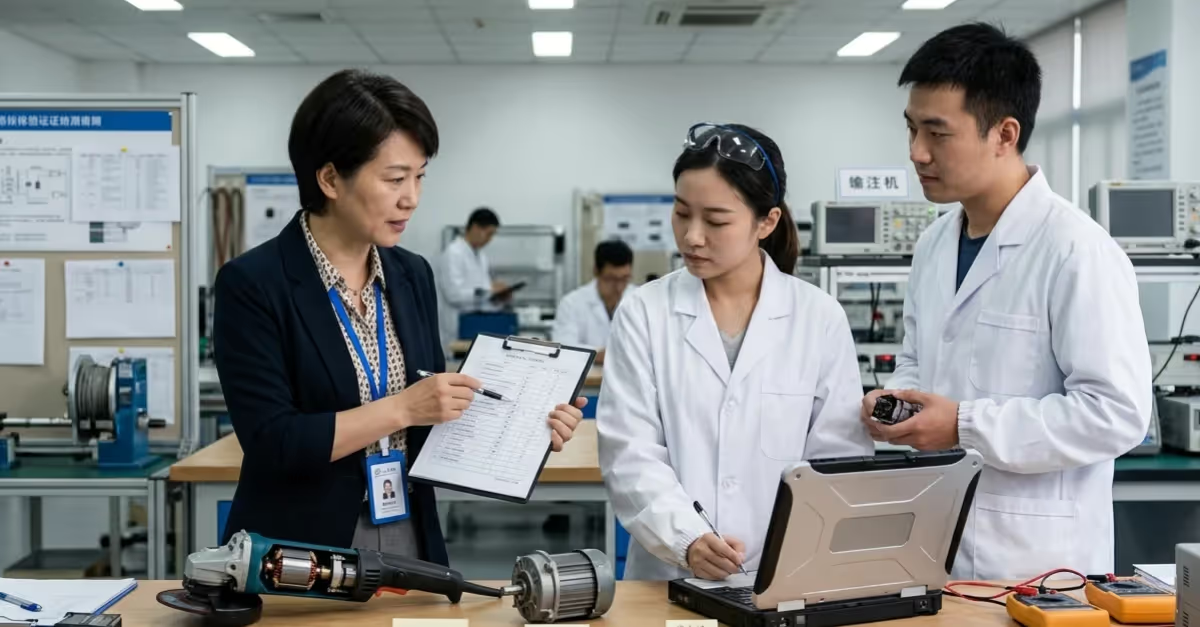
CNCA Issues 11 Trial CCC Certification Rules for Fuses and Other Products
CNCA issued 11 trial CCC certification implementation rules for fuses, electric tools, welding machines, automotive components, and safety glass.

China’s New AI Ethics Measures Increase Scrutiny of High-Impact AI, Including Health-Related Technologies
China’s MIIT and nine ministries introduce a new AI ethics review and services framework establishing tiered oversight, compliance obligations, and governance pathways for AI activities in China.

China Tightens Medical Device Post-Market Surveillance with New Risk Evaluation and Report Review Rules
China issues new guidelines on medical device adverse event risk evaluation and periodic report review, tightening post-market surveillance requirements
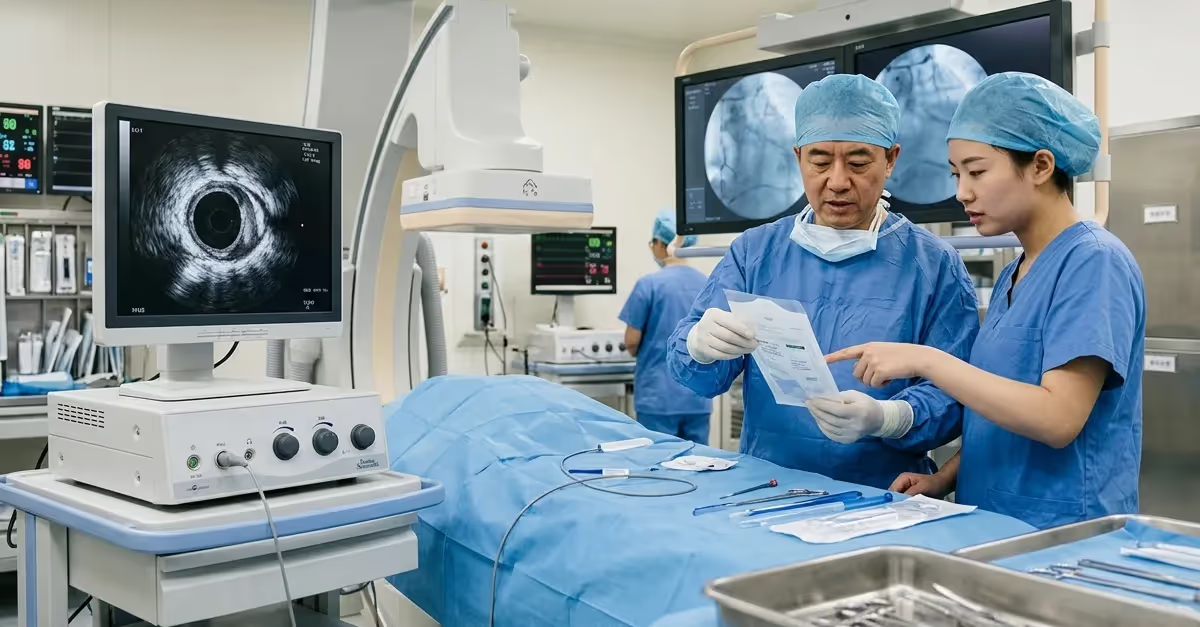
New NMPA Guideline Defines Registration Requirements for IVUS Systems and Catheters
China’s CMDE releases a new IVUS registration review guideline, defining technical, clinical, and testing requirements for NMPA medical device registration

Updates on the Medical Device Classification Catalogue in China: 2020
The NMPA announced a total of 28 updates on the classification catalogue for medical devices including 15 classification changes and 13 content updates.

NMPA Strengthens Cosmetics Oversight with New CBD Testing Methods
China’s NMPA updates cosmetics testing methods, adding CBD detection and tighter impurity controls impacting global compliance.

China Tightens Recall Rules for Cross-Border Food Imports
SAMR introduce stricter recall and compliance requirements for enterprises involved in cross-border e-commerce retail imported food.
China NMPA Releases 2025 Medical Device Standardization Management Report
China’s NMPA releases 2025 annual report on medical device standardization, highlighting growth, innovation, and international alignment.

China NMPA Adds Black Ginseng Extract to IECIC in Third Adjustment
China’s NMPA formally includes black ginseng extract, hydrolyzed sodium hyaluronate zinc, and galactomannan in the IECIC.
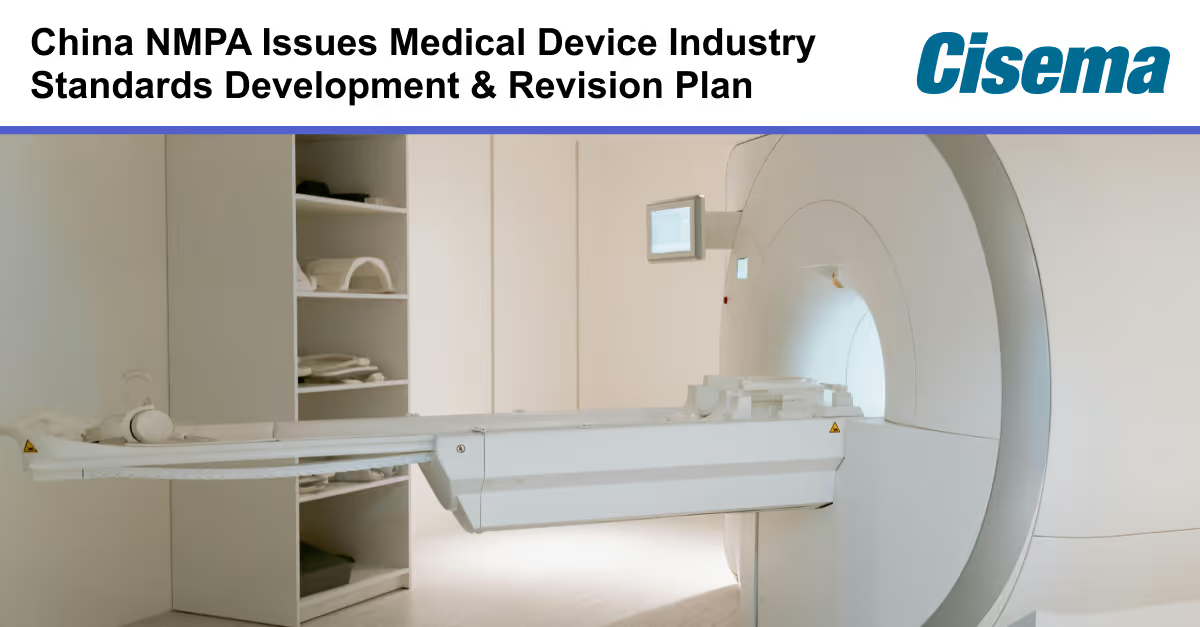
China NMPA Issues 2026 Medical Device Industry Standards Development and Revision Plan
China’s National Medical Products Administration has issued its 2026 medical device standards plan, introducing 80+ new and revised standards
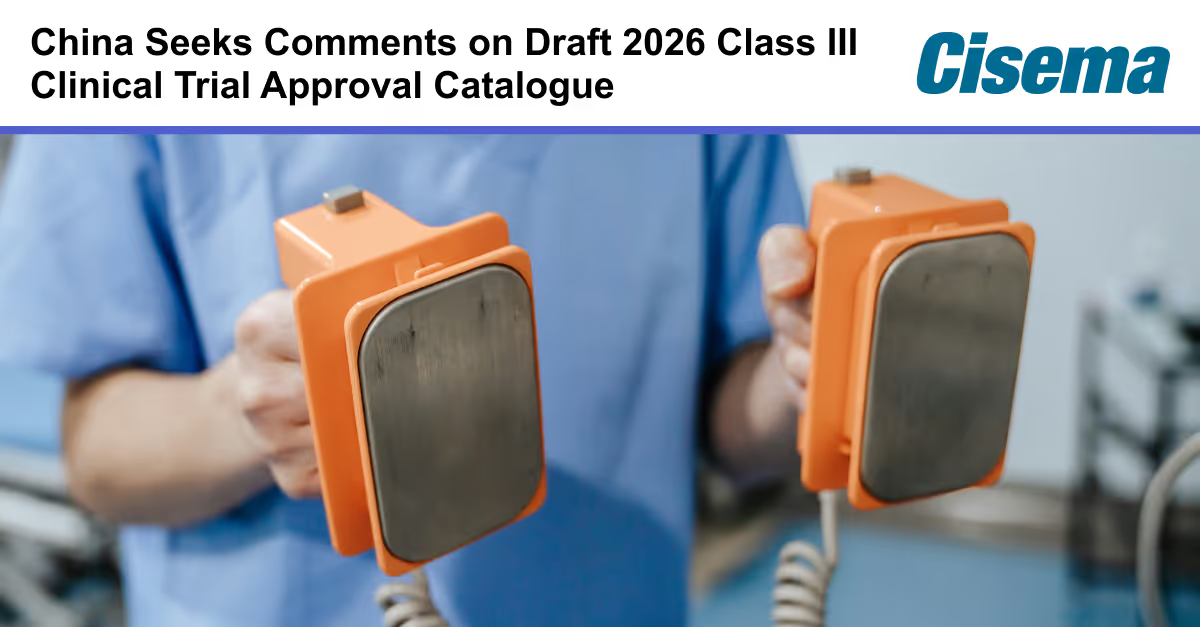
China Seeks Comments on Draft 2026 Class III Clinical Trial Approval Catalogue
The draft 2026 catalogue defines which Class III medical devices would require clinical trial approval before trial initiation.
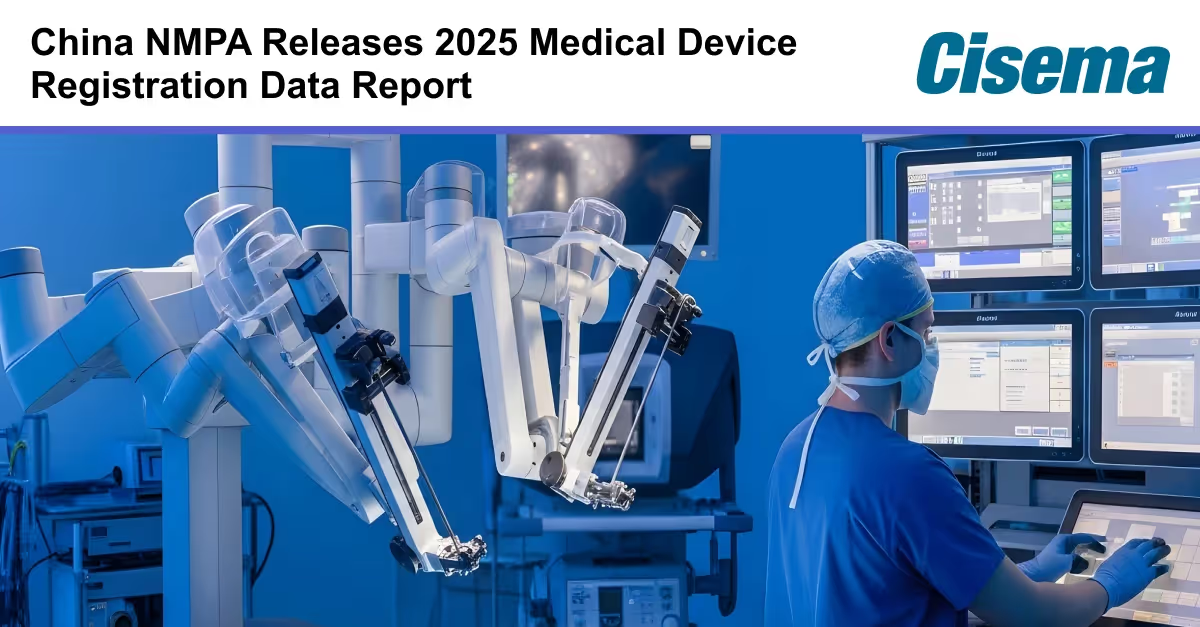
China NMPA Releases 2025 Medical Device Registration Data Report
China NMPA’s 2025 report highlights growth in medical device approvals, including advanced imported devices.

NMPA CDE Issues MRCT Benefit-Risk Assessment Guideline
China releases guiding principles for benefit-risk assessment using multi-regional clinical trial data to support global drug development.
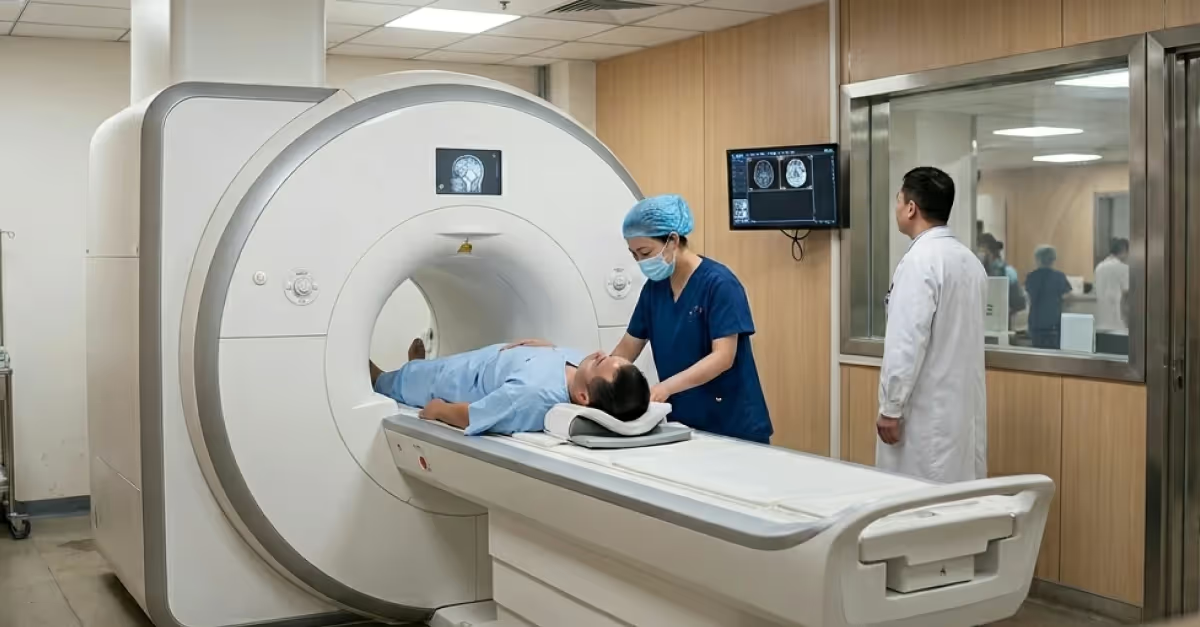
China NMPA Clarifies Pre-Review for Innovative Device Clinical Trials
China’s NMPA issues new guidance on clinical trial protocol pre-review for innovative devices, impacting overseas fast-track approvals.

China’s NMPA Seeks Public Feedback on First Mandatory Toothpaste Safety Standard
China’s NMPA has opened consultation on a draft mandatory toothpaste safety standard that could tighten product requirements.

NMPA Issues Guidance on Subject Selection for Anti-Tumor Drug BE and PK Studies
China releases new subject selection guidance for anti-tumor drug bioequivalence and pharmacokinetic studies.

China Pilots CCC Mark QR Codes for Power Banks, Electric Bicycles, & Gas Appliances
China’s CCC mark pilot reform requires traceability QR codes for power banks, electric bicycles, and gas appliances.

China Signals Nuclear Market Expansion with HAF003 QA Reform and Global Nuclear Pledge
China's HAF003 reform and participation in the "Tripling Nuclear Energy Declaration" signals stricter compliance and new opportunities.
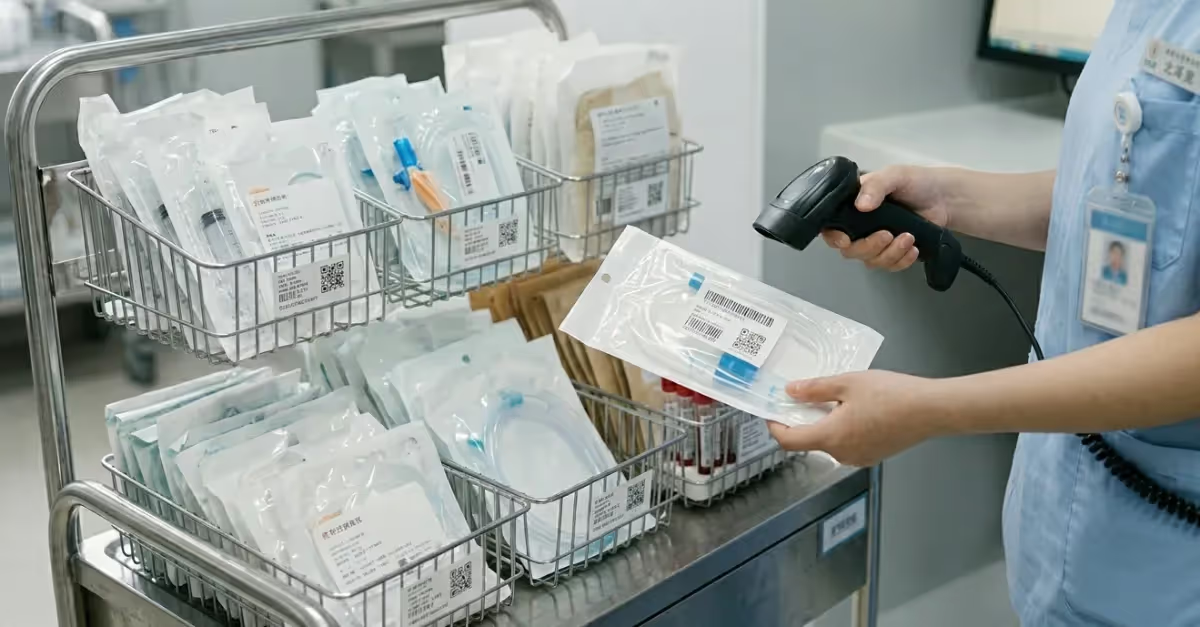
China Mandates Full UDI Compliance for All Medical Devices by 2029
China’s NMPA mandates full UDI coverage for all medical devices by 2029, linking compliance to registration, reimbursement, and market access.

China Issues GACC Order 280 Implementation Rules for Imported Food Registration
China clarifies GACC Order 280 rules for imported food registration and customs declarations ahead of June 2026 enforcement.
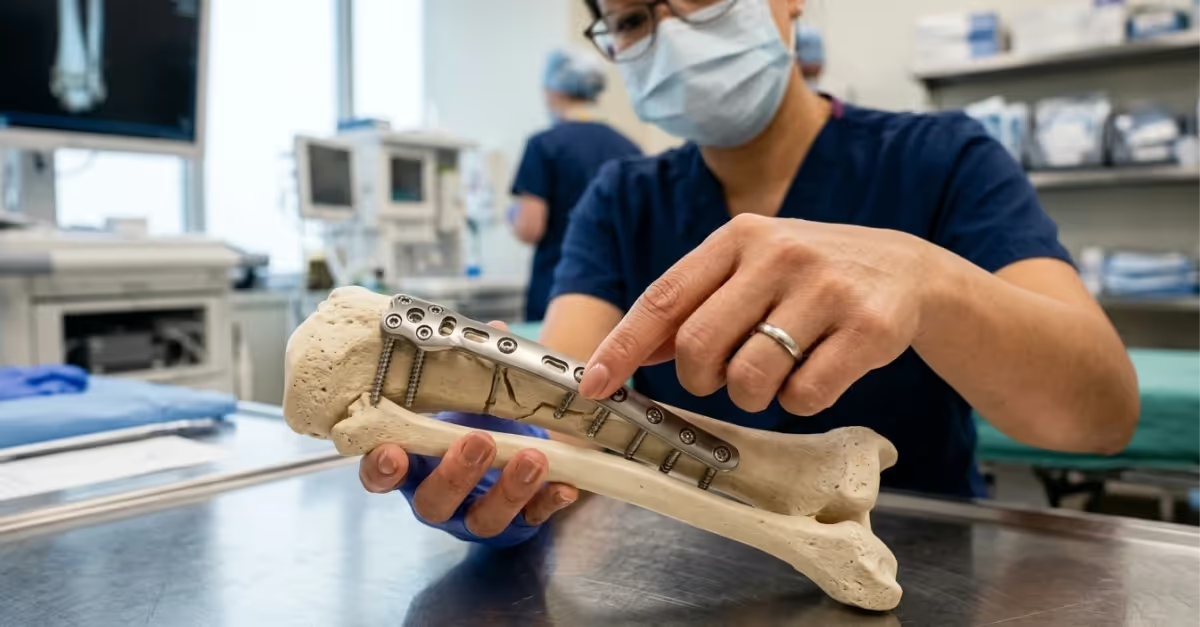
China NMPA Issues 26 Medical Device Standards Affecting Orthopedics, IVDs, & Software
The 26 new medical device standards cover orthopedic implants, IVDs, active devices, and software risk management.

Hong Kong Launches Pre-NDA Meetings Under the “1+” Drug Registration Mechanism
Hong Kong’s Department of Health introduces Pre-NDA meetings to streamline new drug registrations under the “1+” mechanism.
Get in Touch with our Certifications team
And discover how we can support you in getting your products certified for China.