
Published on
Last updated on
A Complete Guide to China Hyaluronic Acid Registration
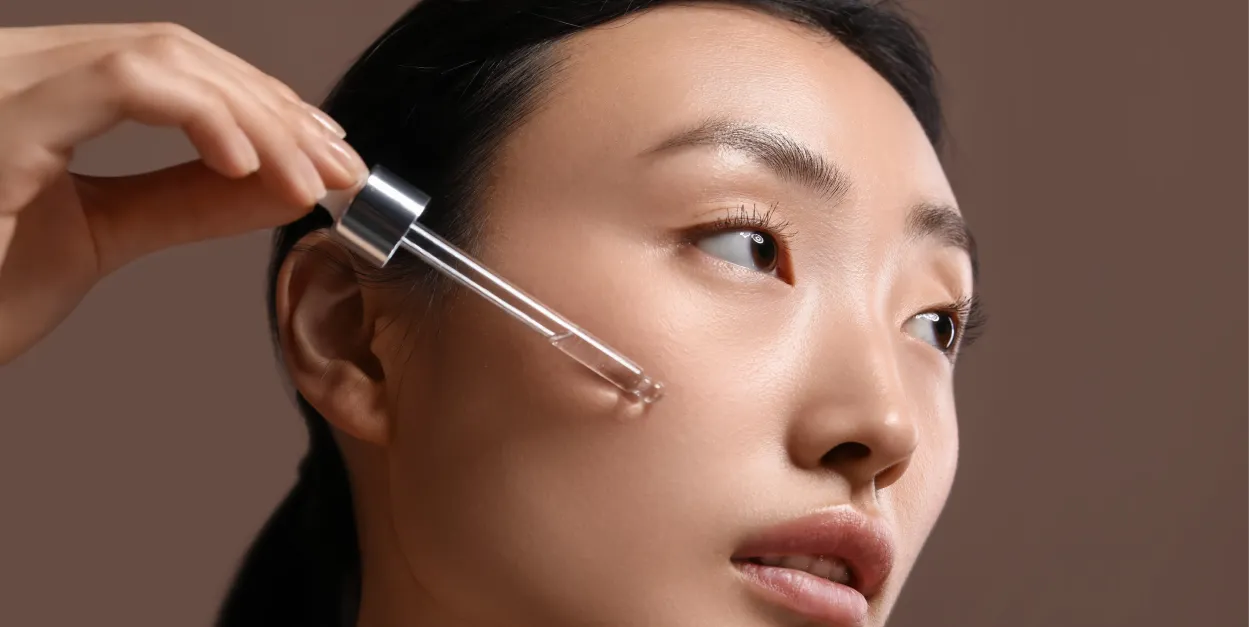
China’s booming interest in hyaluronic acid has created major opportunities for global brands — whether producing cosmetic serums, sodium hyaluronate dressings, injectable fillers, or even health supplements. However, each product type follows its own regulatory pathway, and understanding these differences early is essential to avoiding delays, unexpected testing, or misclassification.
This guide walks through the full journey of China hyaluronic acid registration: how regulators evaluate these products, what evidence they require, and how to prepare a smooth, compliant submission.
Continue below for the complete guide, or contact Cisema for support with China hyaluronic acid classification, registration, and long-term compliance.
China’s Hyaluronic Acid Market
China’s hyaluronic acid market is both sizable and tightly regulated. Valued at $649.7 million USD in 2024, it is projected to reach $1.06bn USD by 2030, reflecting an 8.6% CAGR from 2025. Demand spans consumer skincare, medical applications, health supplements, and aesthetic procedures, creating a diverse range of compliance expectations.
Most market entrants fall into 4 segments:
- Cosmetic brands using sodium hyaluronate for skin hydration and texture enhancement
- Medical device manufacturers using hyaluronic acid for lubrication, healing support, or tissue protection
- Aesthetic companies supplying hyaluronic acid fillers, including popular chin fillers for contouring and reshaping
- Health food brands, where sodium hyaluronate is recognized as a functional ingredient (with specific source requirements) with approved claims such as supporting skin moisture and bone density
Because these applications vary so widely, regulators classify each product based on its intended use, mechanism of action, and formulation.
How Are Hyaluronic Acid Products Regulated in China?
China’s regulatory framework assigns oversight based on product category and risk level. This initial classification determines everything from the responsible authorities and applicable laws to the depth of technical review and the expected approval timeline.
Key Authorities and Regulations
At a high level, regulatory oversight is divided as follows:
Once a hyaluronic acid product is placed into a specific category, the applicable authority, legal basis, and review timelines are effectively locked in. This makes early classification decisions especially critical.
Recent Policy Developments Affecting Hyaluronic Acid Products
Several recent policy updates have further clarified how hyaluronic acid products are evaluated in China:
- NMPA Announcement No. 103 (2022) establishes overarching rules for determining whether a hyaluronic acid product is regulated as a cosmetic, medical device, drug, or combination product, supported by a transition period through 31 December 2024.
- Updated classification criteria issued under the same announcement clarify how borderline products, such as injectable fillers, wound dressings, and lubricants, should be placed into the correct category.
- A dedicated technical guideline for sodium hyaluronate wound dressings outlines the evidence and documentation required to comply with the updated system.
Over time, these regulatory refinements have created a more structured environment but also raised the bar for compliance.
Examples of Hyaluronic Acid Products Already Registered in China
Looking at existing approvals helps illustrate how the same core ingredient can fall under different regulatory frameworks.
Examples of hyaluronic acid and sodium hyaluronate products already registered in China include:
- e.p.t.q., a Korean hyaluronic acid dermal filler, is registered as a Class III medical device for aesthetic injection
- Condrotide™ Moveo, an oral supplement regulated as a health food product
- The Ordinary Hyaluronic Acid 2% + B5 serum, regulated as a cosmetic product
These examples illustrate how the same core ingredient can be regulated under entirely different frameworks in China, depending on its formulation, claims, delivery method, and intended use
When Is Hyaluronic Acid Considered a Cosmetic in China?
A hyaluronic acid product is regulated as a cosmetic when its purpose is beautification, such as hydration, smoothing, or improving skin appearance. Sodium hyaluronate serums, creams, and masks commonly fall into this category, provided claims avoid repair, healing, or structural effects on the body.
Once classified as a cosmetic, the product is placed into 1 of 2 regulatory subcategories, which determines the complexity of approval:
- General cosmetics: These are the most common, including everyday moisturizers, cleansers, and hydrating products. They require a notification, which is a simpler and faster filing process before entering the market.
- Special cosmetics: These make specific functional claims, for example, freckle-removing and whitening, anti-hair-loss, or sunscreen products. They require full registration and regulatory review before launch, meaning stricter testing, more documentation, and longer timelines.
Correctly identifying whether a hyaluronic acid product is a general or special cosmetic is therefore essential, as this decision directly affects the regulatory pathway, costs, and preparation effort.
And while cosmetics sit on the lighter end of regulation, hyaluronic acid fillers are at the opposite extreme, classified as high-risk medical devices requiring extensive testing, review, and approval.
When Hyaluronic Acid Is Classed as a Medical Device in China
Hyaluronic acid products used in clinical settings are regulated as medical devices in China, including ophthalmic surgical adjuvants, anti-adhesion materials, and similar applications. Each product is assigned a risk class based on its intended function and mode of use.
Within the medical device category, injectable fillers fall under the highest level of regulatory control due to their invasive administration and prolonged interaction with human tissue. All injectable fillers, including hyaluronic acid chin fillers and other products designed to increase tissue volume through injection, are classified as Class III medical devices.
Class III fillers typically require:
- Comprehensive testing
- Biocompatibility data
- Clinical evaluation
As a result, manufacturers of hyaluronic acid filler products face a stricter registration process and more demanding post-market requirements than cosmetic brands.
When Hyaluronic Acid Becomes a Drug or Combination Product
Classification of hyaluronic acid products in China can shift when therapeutic intent or pharmacological action becomes central to the product’s function.
If a hyaluronic acid formulation delivers a therapeutic effect, such as treating arthritis, xerophthalmia, or skin ulcers, it may be regulated as a drug or as a drug–device combination product in China. This classification typically applies when additional antibacterial, analgesic, or other bioactive ingredients play a material role in achieving the intended clinical outcome.
When Hyaluronic Acid Is Treated as a Health Food in China
At the other end of the spectrum, sodium hyaluronate is regulated as a health food when administered orally and positioned for permitted nutritional or functional support rather than medical treatment. Approved health food claims are narrowly defined and strictly enforced, and products must undergo registration, not filing. Any implication of disease prevention or therapeutic benefit may trigger reclassification.
With these classification pathways clearly defined, manufacturers can now turn to the practical question that follows: What does the hyaluronic acid registration process look like in China?
Registration Steps for China Hyaluronic Acid Products
While requirements differ across product types, most hyaluronic acid and sodium hyaluronate products follow a similar preparation sequence:
Step 1: Define the Intended Use and Primary Mode of Action
Registration starts with clearly documenting what the product does, who it is for, and how it achieves its effect. These details form the foundation of classification and must be precise and consistent across:
- Labelling
- Instructions for Use
- Marketing materials
- Technical documentation
China pays close attention to the product’s primary mode of action, distinguishing between:
- Physical mechanisms (e.g., volume replacement, lubrication, moisture retention)
- Pharmacological, immunological, or metabolic mechanisms (e.g., antibacterial or therapeutic effects driven by active ingredients)
Step 2: Review the Formulation
Once intended use and mode of action are documented, the next task is to examine the full formulation and ensure each component supports the product’s positioning. This includes:
- The concentration and molecular characteristics of hyaluronic acid or sodium hyaluronate
- Functional additives (e.g., antibacterial or analgesic agents)
- Excipients that affect stability, delivery, or safety
This step confirms that the formulation matches the product’s intended use and identifies ingredients that could shift the product into a different regulatory category.
Step 3: Confirm the Regulatory Classification and Registration Pathway
With intended use, formulation, and mode of action aligned, you can formally confirm the regulatory pathway in China. Depending on the product, your NMPA or SAMR submission may involve:
- Cosmetic submission: notification for general cosmetics or registration for special cosmetics
- Medical device registration, such as Class III registration for injectable fillers
- Drug or drug–device combination registration
- Health food registration
At this stage, companies establish the standards, testing requirements, dossier structure, and expected timelines that will guide the rest of the China registration process.
Step 4: Prepare China-Specific Testing and Technical Documentation
Once the pathway is confirmed, manufacturers can begin generating and compiling the evidence needed for submission. Depending on classification and risk level, this may include:
- Testing conducted at a qualified testing laboratory
- Biocompatibility and performance testing for medical devices
- Clinical evaluation materials or clinical trials
- Compliance with national, industry, or product-specific standards
- A complete technical dossier in NMPA’s required format
Foreign test data can support the application, but rarely replaces required China-specific testing. Because laboratory capacity is limited, many companies schedule type testing as soon as the regulatory pathway is finalized.
Step 5: Submit the Application and Complete NMPA Review
With testing and documentation complete, the registration package can be submitted for review. The process typically includes:
- An administrative check to confirm the dossier is complete
- A technical review by the designated NMPA evaluation center
- Supplemental questions if the evaluators need clarification or additional data
- Final approval and issuance of the registration certificate or filing confirmation
The time needed to move through these steps can vary significantly depending on the product type and its risk classification, with more complex hyaluronic acid products naturally taking longer to assess. Working closely with experienced regulatory partners such as Cisema helps maintain momentum during review, especially for complex products like hyaluronic acid fillers.
What to Expect After Hyaluronic Acid Product Approval in China
Once a product is approved and enters the market, the focus shifts to maintaining compliance throughout its lifecycle. Requirements differ by category, but all aim to ensure the product remains safe, effective, and consistent with its approved intended use.
Registration Validity and Renewal
Different product categories carry different validity periods:
Labeling, Instructions for Use, and Quality Requirements
Once approved, the product that reaches consumers must match what regulators reviewed.
- Cosmetics: Packaging, claims, and ingredient lists must align with the filed version. Even minor claim updates — especially anything that sounds therapeutic — may require regulatory notification.
- Medical devices: Labeling and Instructions for Use must stay consistent, and companies must maintain complete raw material and quality system documentation. Changes to concentration, artwork, or manufacturing processes may require approval.
- Combination products: These must comply with both medical device and drug labeling requirements.
- Health food products: All visible labeling content must remain aligned with the version reviewed during registration.
Post-Market Surveillance Duties
Regardless of classification, all hyaluronic acid products require structured post-market monitoring:
- Cosmetics: Adverse event reporting, updated safety assessments when needed, and annual reporting.
- Medical devices: Structured surveillance, including adverse event reporting, trend analysis, and corrective and preventive actions, especially critical for higher-risk hyaluronic acid fillers.
- Combination products: Pharmacovigilance and device surveillance obligations.
- Health food products: Ongoing supervision under the Food Safety Law, including inspections, sampling, advertising control, and recalls.
A well-managed post-market system not only protects consumers but also supports smoother renewals and strengthens future submissions.
Common Registration Mistakes and How to Avoid Them
Even with clear guidelines, many manufacturers encounter preventable issues during registration or after launch. Knowing where companies typically stumble can help you avoid delays and compliance problems.
Understanding these common pitfalls helps manufacturers move through registration more efficiently and maintain long-term compliance in China.
Final Thoughts: Your Path Into the China Hyaluronic Acid Market
Successfully registering hyaluronic acid and sodium hyaluronate products in China requires clarity from the start: choosing the correct classification, preparing China-specific testing, and keeping all claims aligned with regulatory expectations.
These steps may seem straightforward, but in practice many companies underestimate how easily a small wording change, formulation tweak, or incomplete supplier document can shift their hyaluronic acid product into a different regulatory category or delay approval. Others struggle with China’s testing requirements or the depth of technical detail needed for submission.
This is where expert guidance makes a difference. With more than 20 years of on-the-ground regulatory experience in China, Cisema helps manufacturers navigate classification decisions, prepare compliant documentation, coordinate required testing, and manage lifecycle obligations for hyaluronic acid products.
To determine the most efficient regulatory pathway for your hyaluronic acid product and accelerate your entry into the China market, contact Cisema today.
Further Information
- Explore Cisema’s China NMPA Medical Device Services for regulatory support covering registration strategy, technical documentation, and post-market compliance.
- Learn more about Cisema’s China NMPA Cosmetics Registration Services, including ingredient compliance, safety assessment, and filing pathways.
- Discover Cisema’s China NMPA Biopharmaceutical Registration Services, supporting innovative and generic drug approvals in China.
- Review Cisema’s China SAMR Health Food Registration Services, covering both filing and registration routes for functional foods.
- Watch Cisema’s free webinar “How to Register Medical Devices in China 101”
References
- Announcement on the Management Categories of Medical Sodium Hyaluronate Products, released on November 14 2022 by NMPA (No. 103 of 2022).
- Interpretation of the “Announcement on the Management Categories of Medical Sodium Hyaluronate Products”, released on November 14 2022 by NMPA.
- Guidelines for Registration Review of Medical Sodium Hyaluronate Wound Dressings, released on June 17 2024 by CMDE (No. 21 of 2024).
- Medical Sodium Hyaluronate Dressing (YY/T 1938—2024), released on September 29 2024. Implementation date: October 15 2025.
- Promulgation of the Regulations on Supervision and Administration of Cosmetics, released on June 29, 2020 by NMPA.
- Announcement of the NHC on the Approval of 7 New Resource Foods including Lactobacillus acidophilus (Announcement No. 12 of 2008), released on May 26, 2008
- Announcement of the NHC on 20 “Three New Foods” including D-Allulose (No. 4 of 2025), released on July 2, 2025
- Gooey Fluid Turned Into $1.68b Liquid Gold for Jinan, released on August 30, 2024 by China Daily.
- Jetema’s ‘e.p.t.q.’ Officially Approved for Product Registration in China, released on April 28, 2025 by The Asia Business Daily
- On the shelves of Sephora, the 100-yuan “raw material bucket” The Ordinary enters China, released on February 19, 2025 by J Media
Connect with Cisema
With more than 20 years of experience and a team of over 100 specialists, Cisema helps global companies achieve compliance across Asia Pacific with confidence and accelerate market entry.
Stay Informed with Monthly News and Analysis
Stay informed with the latest regulatory changes, expert insights, and market opportunities across APAC, delivered straight to your inbox.
Related Articles

Understand the key differences between China Medical Device GMP and ISO 13485, including requirements for quality management, suppliers, facilities and documentation.

Learn when medical device and IVD changes in Indonesia require a notification, variation, or new registration, and how to maintain ongoing regulatory compliance.

Discover how leveraging Real World Data generated in the Greater Bay Area can accelerate market entry for medical products in China.