
Published on
Last updated on
MFDS Issues 2025 Korea Medical Device Regulatory Update Report

The Korean medical device market continues to show stable growth, driven by demand for innovative medical technologies, digital healthcare solutions, and imported medical devices. According to the “2025 MFDS Medical Device Approval Report” published by the Ministry of Food and Drug Safety (MFDS), regulatory activity increased significantly in 2025, particularly in digital health and AI-enabled technologies.
At a Glance: 2025 Korea Medical Device Market
- Registrations increased 7.9% in 2025 to 7,675 approvals, certifications, and notifications
- Imported products accounted for nearly 50% of total registrations, with strong dominance in Class I devices
- MFDS is expanding oversight of AI medical devices, SaMD, digital therapeutics, and connected technologies
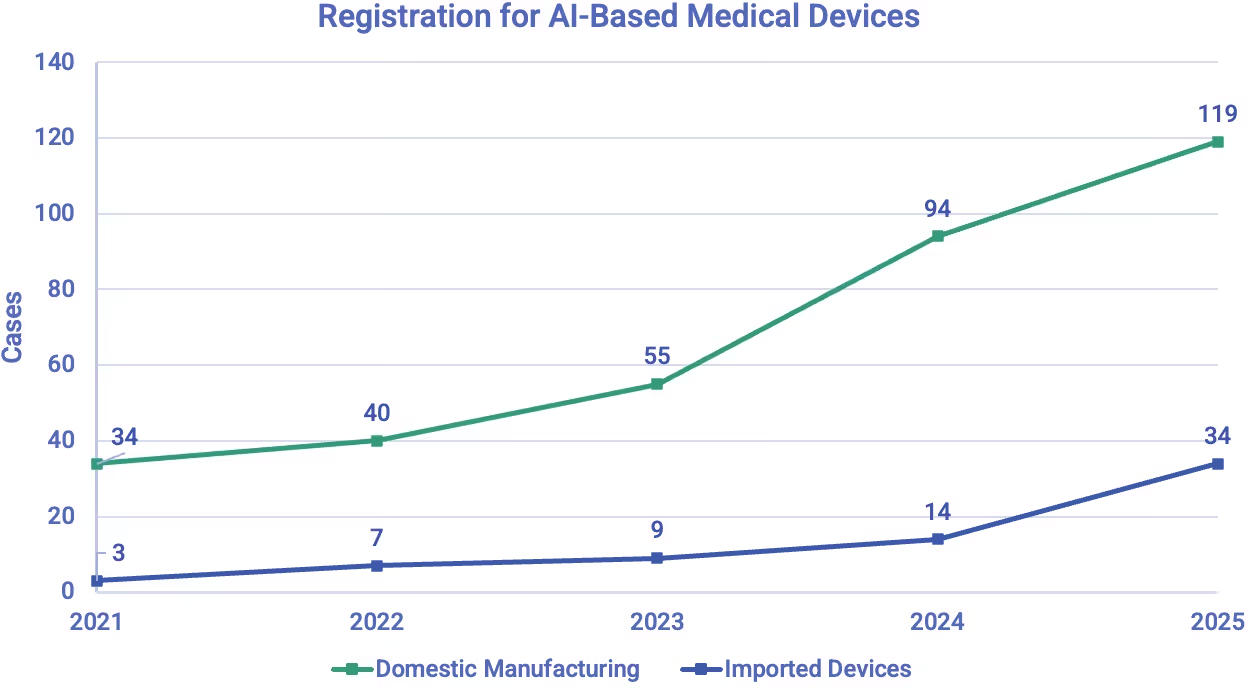
- AI-based medical device registrations more than quadrupled from 2021 to 2025
- Compliance expectations are increasingly lifecycle-oriented, with stronger focus on PMS, cybersecurity, and software updates
Market Structure and Import Share
In 2025, total applications reached 7,675, consistent with annual volumes above 6,700 over the past five years. Despite steady growth, the overall registration structure has remained stable, with notifications continuing to dominate:
- Notifications: ~61% in 2025 (59.6% over 2021–2025)
- Certifications: ~26% in 2025 (24.5% over 2021–2025)
- Approvals: ~13% in 2025 (15.9% over 2021–2025)
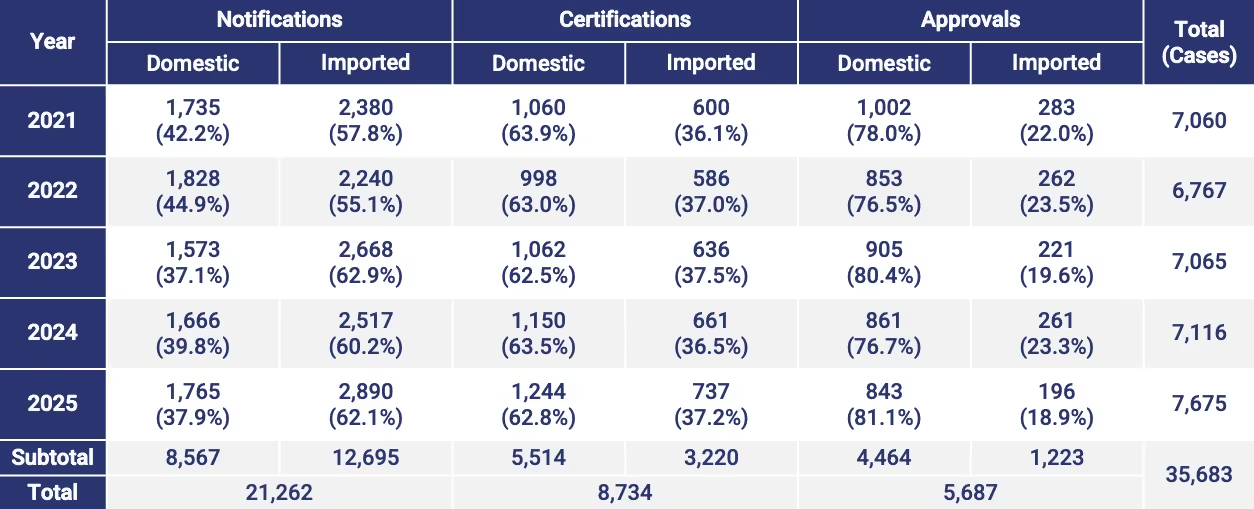
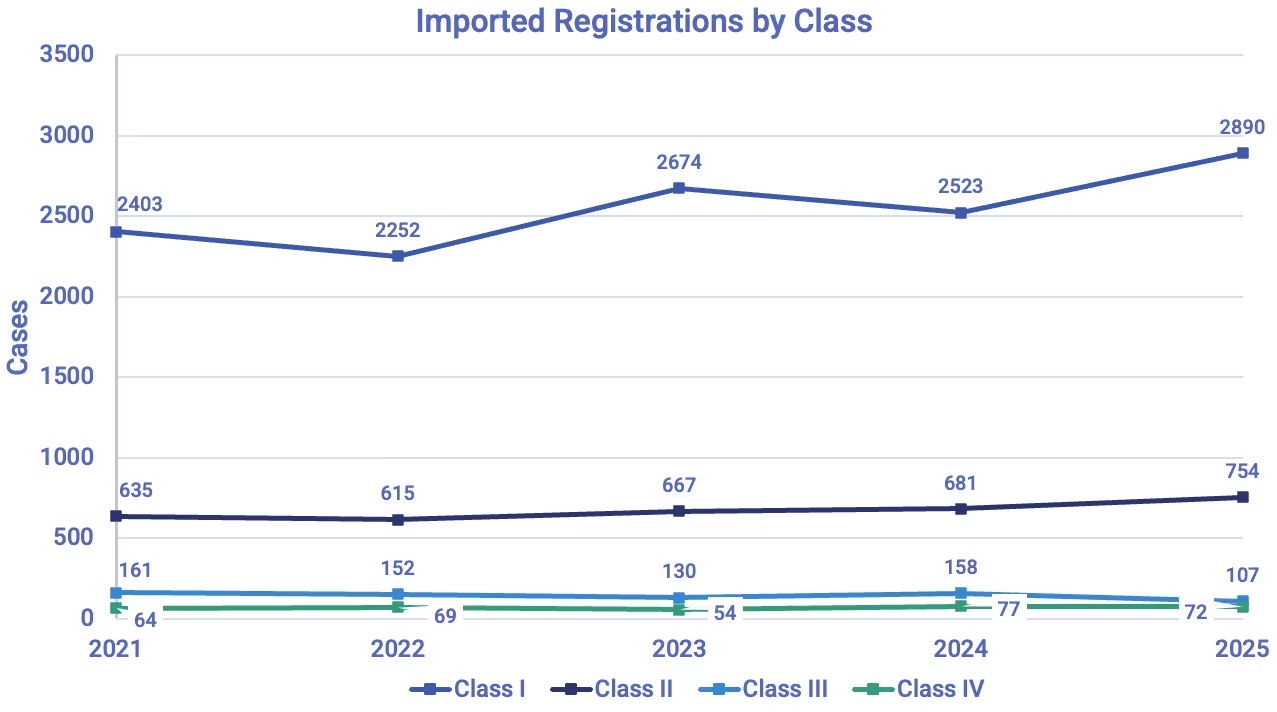
In 2025, imported devices accounted for approximately 49.8% of total approvals, certifications, and notifications, However, their presence is more concentrated in low- and mid-risk categories. In Class I devices, imported products represented more than 75% of registrations in 2025, confirming their strong position in entry-level categories.
Product Categories by Major Classification
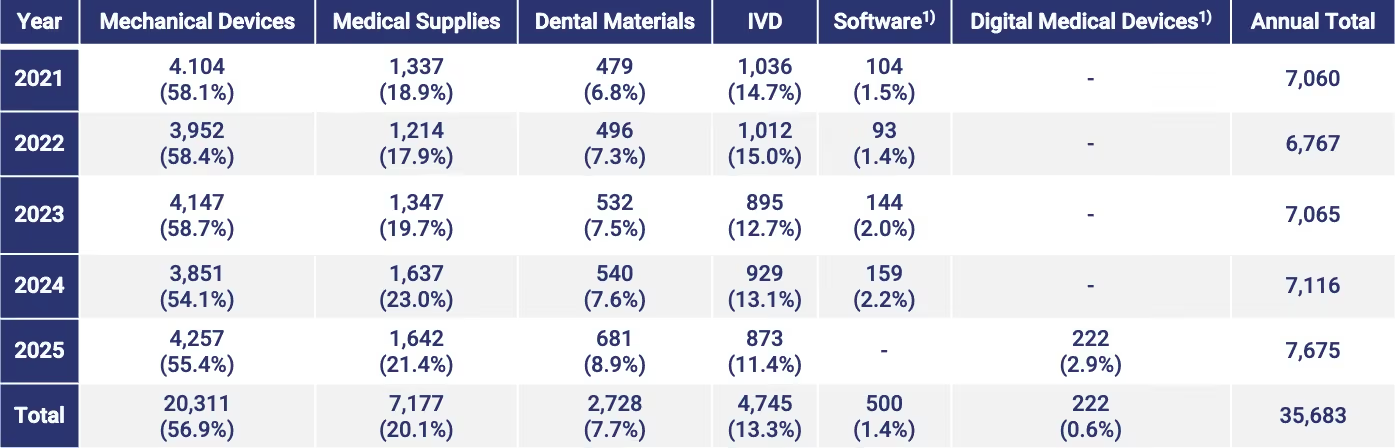
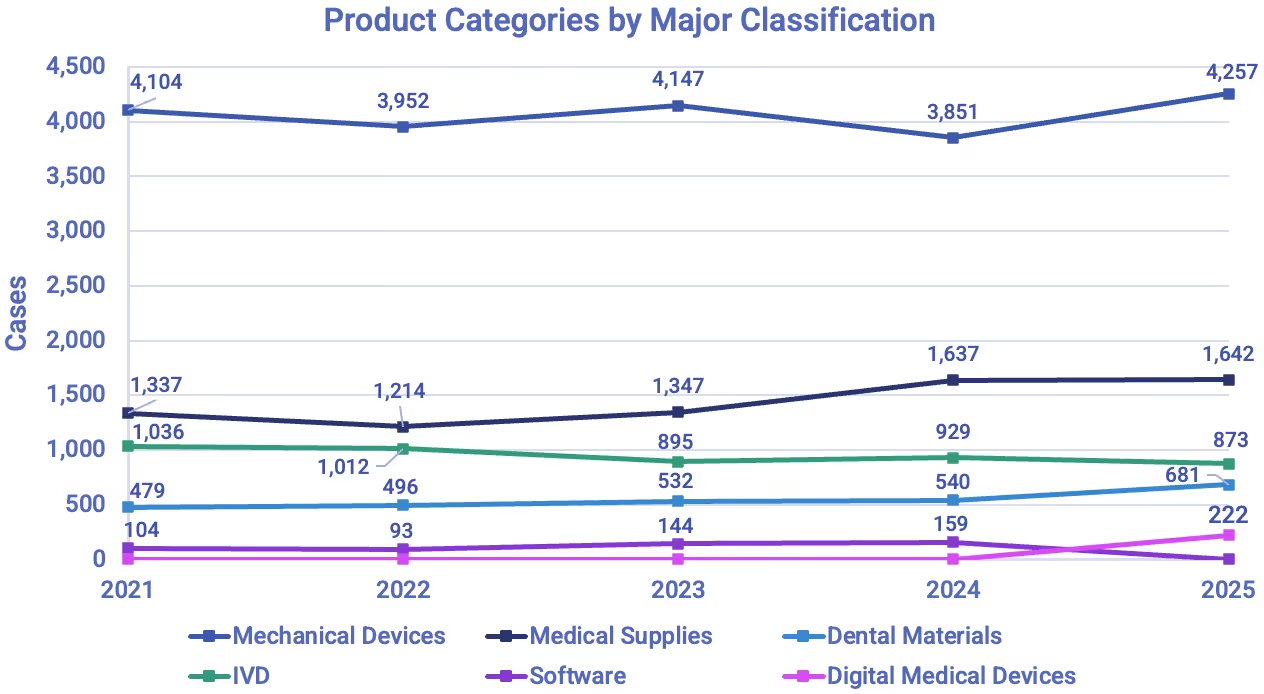
Mechanical devices consistently accounted for the largest share of registrations, ranging from 3,851 to 4,257 cases annually, followed by medical supplies (1,214–1,642) and IVD products (873–1,036). These core categories remained structurally stable throughout the period.
Software-based products, remained limited in scale, ranging from 93 to 159 cases, while digital medical devices (which includes software-based products) were newly recorded in 2025 with 222 registrations following their formal classification under MFDS regulatory categories.
Overall, registrations remain concentrated in conventional device categories, with mechanical devices accounting for 54.1%–58.7% annually, while digital and software-based products represent a smaller but clearly emerging segment.
High-Risk Segments and Traceability-Managed Devices
While most market activity is concentrated in lower-risk categories, there is a continued concentration of imported products in higher-risk categories.
Traceability-managed medical devices are defined as products that may cause serious or life-threatening harm in the event of malfunction or adverse events, requiring end-to-end tracking across the supply chain from manufacture or import through to use.
Between 2021 and 2025, MFDS approved a total of 58 traceability-managed medical devices. Of these:
- 46 were medical devices intended to be implanted for more than one year, including 43 imported products and 3 domestically manufactured products.
- 12 approved products were classified as life-supporting medical devices, consisting of 7 imported products and 5 domestically manufactured products.
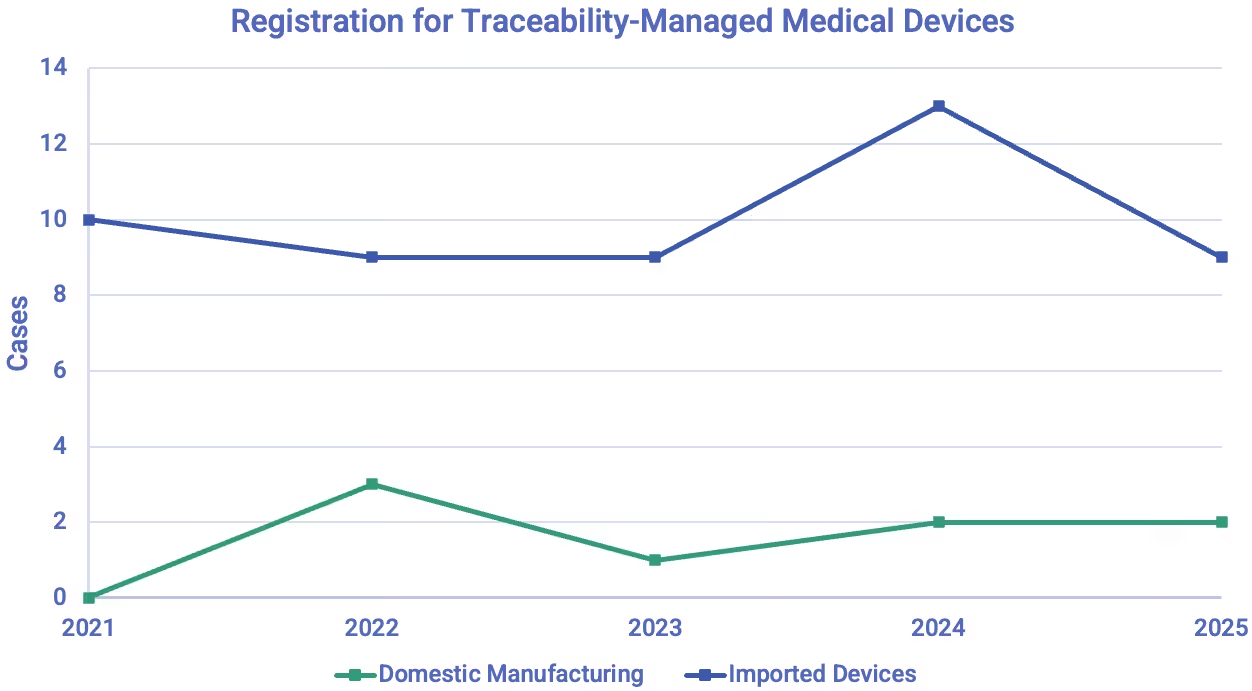
The data reflects the significant role imported products continue to play within higher-risk medical device categories in Korea, particularly in implantable technologies.
Acceleration of AI-Based and Software-Driven Devices
The MFDS report separately tracks AI-based medical devices, surgical and rehabilitation robots, digital therapeutics (DTx), and Innovative medical devices. This reflects Korea’s increasing regulatory focus on advanced technologies and next-generation healthcare solutions.
Registrations in this segment have increased steadily from 2021 to 2025, supported by government investment, rapid digital adoption, and expansion of connected healthcare systems. As this segment expands, MFDS continues to strengthen regulatory expectations for advanced medical technologies, particularly in areas involving AI algorithms, software performance, and patient safety.
Regulatory Transformation Under the Digital Medical Products Act
Korea’s digital healthcare framework continues to evolve following implementation of the “Digital Medical Products Act.” From 2025, AI-based medical devices, SaMD, digital therapeutics, and cloud-connected products are regulated through dedicated pathways separate from conventional medical devices.
As a result, MFDS oversight is increasingly centered on AI-driven and software-based medical technologies and data-driven risk factors, including:
- AI transparency and validation
- Cybersecurity and data integrity
- Software lifecycle and update control
- Clinical validation and performance evidence
- Real-world performance monitoring
For manufacturers, this means broader technical review requirements and expanded documentation obligations may apply, including:
- Software validation
- Cybersecurity documentation
- AI training and validation data
- Usability and human factors engineering
- Cloud infrastructure management
- Real-world performance monitoring
- Software update and algorithm change management
For AI-driven diagnostics, connected systems, and digital therapeutics, regulatory oversight increasingly extends beyond initial approval into continuous lifecycle monitoring.
Key Takeaways for Overseas Manufacturers
South Korea remains one of the most attractive and strategically important medical device markets in Asia, supported by strong healthcare infrastructure, rapid adoption of innovative technologies, expanding digital healthcare ecosystems, and growing demand for AI- and software-based healthcare solutions.
At the same time, Korean medical device regulations are becoming increasingly sophisticated, particularly for:
- AI-based medical devices
- Software as a Medical Device (SaMD)
- Digital therapeutics (DTx)
- IVD products
- Cybersecurity-related products
- Class III and IV devices
Manufacturers should recognize that regulatory obligations in Korea increasingly extend beyond initial product approval and require ongoing compliance management throughout the product lifecycle.
To meet these expectations, manufacturers entering Korea should establish systems covering:
- Post-market surveillance, vigilance, and adverse event reporting
- Change control, software updates, and cybersecurity maintenance
- Ongoing communication with MFDS and local regulatory representatives
- KGMP/QMS compliance and Korea-specific quality system requirements
- Long-term regulatory maintenance and compliance management
In this environment, early regulatory assessment and a Korea-specific compliance strategy are increasingly important for successful market entry and long-term operations in Korea.
For support with South Korea medical device registration, digital medical product compliance, and ongoing lifecycle management, manufacturers can contact Cisema.

Further Information
For additional guidance on Korean medical device registration and lifecycle compliance requirements, manufacturers can explore Cisema’s South Korea Medical Device Registration Services.
References
- Download the 2025 MFDS Medical Device Approval Report (Korean)
- Read the Korean Digital Medical Products Act (English)
Connect with Cisema
With more than 20 years of experience and a team of over 100 specialists, Cisema helps global companies achieve compliance across Asia Pacific with confidence and accelerate market entry.
Stay Informed with Monthly News and Analysis
Stay informed with the latest regulatory changes, expert insights, and market opportunities across APAC, delivered straight to your inbox.
Related News

Hong Kong Requires MDACS Listing for Injectable Dermal Fillers by March 1, 2027
New requirements could affect how injectable devices, including dermal fillers, are supplied in Hong Kong’s private healthcare sector.

China Enacts First Healthcare Security Law: Impact on Global Medtech
China’s new Healthcare Security Law affects medical device reimbursement, health economic evidence, payment models, and digital traceability from 2027.

Indonesia Mandates Pre-Shipment Halal Verification for Imported Products
BPJPH Regulation No. 4 of 2026 introduces pre-shipment halal verification and LPPH reports for imported goods starting September 2026.