
Published on
Last updated on
China GACC Revises Filing Rules for Imported Food Importers & Exporters
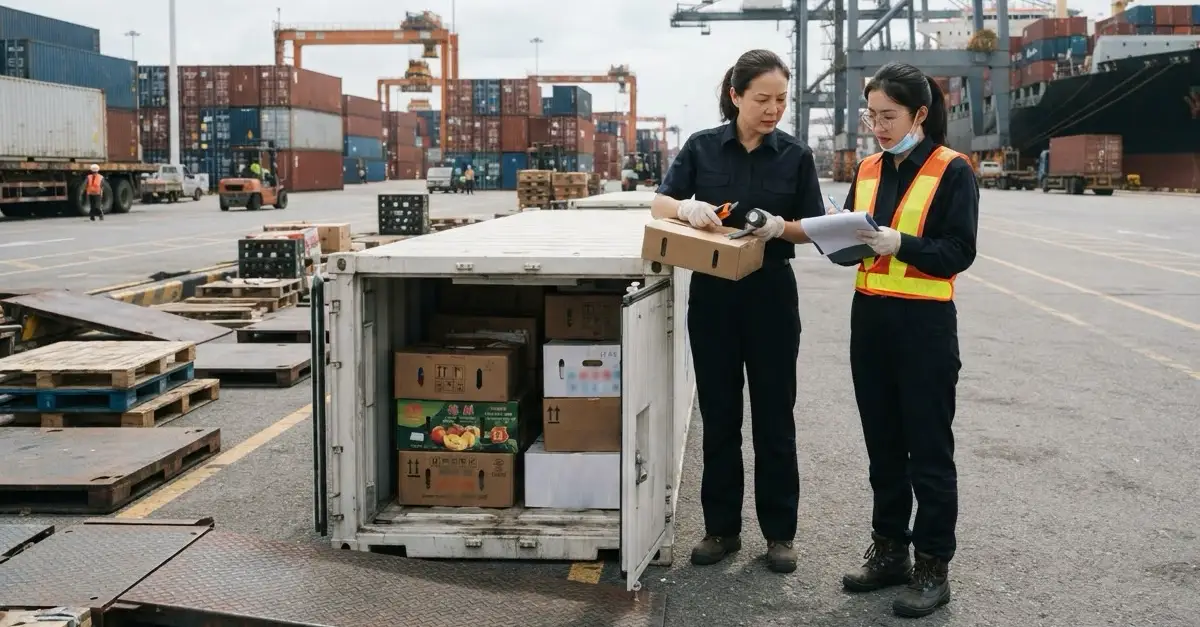
On October 23, 2026, China's General Administration of Customs (GACC) issued Announcement No. 150 of 2026, revising the Regulations on the Filing Administration of Importers and Exporters of Imported Food, originally published as Annex 1 to Announcement No. 55 of 2012 by the former General Administration of Quality Supervision, Inspection and Quarantine (AQSIQ). The revision aims to safeguard imported food safety, improve traceability and enhance public services and the business environment.
For foreign food exporters, the changes simplify initial filing by halving information requirements and reducing processing times from 5 to 3 working days. However, GACC has also strengthened ongoing supervision through mandatory port verification, a 60-day deadline for reporting changes and a new deregistration mechanism.
In short, market entry is now simpler, but maintaining accurate and up-to-date filing information is more important than ever.
What Has Changed Under GACC Announcement No. 150?
Announcement No. 150 introduces five key changes to China’s imported food filing requirements.
- Reduced information requirements: Overseas exporter or agent filing forms have been cut from 20 fields to 10.
- Standardized food categories: Categories are now consistent across domestic food importers, overseas exporters or agents, and overseas food manufacturers.
- Faster processing: Filing processing times have been reduced from five to three working days.
- New deregistration mechanism: A formal process for deregistering filings has been introduced.
- 60-day reporting deadline: Changes to filing information must now be reported to the relevant customs authority within 60 days.
Importantly, existing valid filings remain valid indefinitely. Companies do not need to reapply solely because the revised regulations have been issued.
Together, these changes streamline initial filing while giving GACC greater oversight of registered entities and their information.
Stricter Customs Verification and Filing Accuracy
Despite the simplified filing process, GACC has strengthened supervision throughout the import process.
Customs authorities will verify overseas exporter or agent filing codes at ports of entry. The code included in the customs declaration must correspond to the actual overseas exporter or agent and cover the relevant food categories.
Any discrepancies between filing records and actual export activities could therefore affect customs clearance.
Potential issues include:
- Using a filing code belonging to a different overseas exporter or agent.
- Exporting products outside the food categories covered by the filing.
- Providing company information that no longer reflects the actual business entity.
- Maintaining outdated contact details that prevent customs authorities from verifying filing information.
Overseas exporters are also directly responsible for the authenticity of the information they submit. As filing information will be publicly disclosed, inaccurate or outdated records could create reputational concerns and undermine confidence among Chinese importers.
The new deregistration mechanism further strengthens GACC's ability to manage filings that are no longer valid or do not meet applicable requirements.
New 60-Day Deadline for Reporting Filing Changes
In addition to stricter customs verification, Announcement No. 150 introduces a clear deadline for updating filing information.
Importers and exporters must report relevant changes to the customs authority responsible for their filing within 60 days of the change occurring.
This may include changes to:
- Company names
- Addresses
- Contact details
- Appointed agents
Companies should regularly review their filing records to ensure that they reflect their current organizational and commercial arrangements.
Failure to update information within the prescribed period could create compliance issues, particularly if discrepancies are identified during customs verification. Companies should therefore address changes promptly rather than waiting until their next shipment to identify potential inconsistencies.
What Companies Exporting Food to China Should Do Next
Companies already exporting food to China, as well as those preparing to enter the market, should review their existing filing arrangements and take the following steps:
- Verify that the overseas exporter or agent filing code remains valid.
- Confirm that the registered food categories cover all products currently exported to China.
- Check that the email address and telephone number in the filing remain active and accessible.
- Review recent changes to the company name, address or appointed agent and confirm that the relevant updates were submitted within 60 days.
- Coordinate with the Chinese importer to ensure that the correct filing code is included in customs declaration documents.
Companies should also distinguish between the three separate regulatory requirements: overseas exporter or agent filing under Announcement No. 150 of 2026, overseas food manufacturer registration under GACC Decree No. 248, and domestic food importer filing.
The applicable requirements depend on a company's role in the food supply chain, whether as a manufacturer, brand owner, trading company or another business participant. Understanding these distinctions is essential to identifying and meeting all relevant filing and registration obligations.
Final Thoughts
GACC Announcement No. 150 of 2026 makes China's imported food filing process more efficient by reducing information requirements, standardizing food categories and shortening processing times. However, these improvements come with stricter supervision, mandatory port verification and greater accountability for maintaining accurate filing information.
For foreign companies exporting food to China, the priority is to benefit from the simplified filing process while ensuring that existing records remain consistent with their actual business activities. Cisema can help companies identify applicable GACC requirements, review existing filing arrangements and manage new or amended filings to support ongoing compliance with China's food import regulations.
For support with GACC filing requirements and China food import compliance, contact Cisema today.
Further Information
- Read about GACC Order No. 280 and the registration of overseas food manufacturers.
- Review the GACC Order No. 280 implementation rules for imported food registration.
Reference
- General Administration of Customs Announcement No. 150 of 2026, Announcement on the Revision and Publication of the Regulations on the Filing Administration of Importers and Exporters of Imported Food. 海关总署公告2026年第150号(关于修订发布《进口食品进出口商备案管理规定》的公告)
Connect with Cisema
With more than 20 years of experience and a team of over 100 specialists, Cisema helps global companies achieve compliance across Asia Pacific with confidence and accelerate market entry.
Stay Informed with Monthly News and Analysis
Stay informed with the latest regulatory changes, expert insights, and market opportunities across APAC, delivered straight to your inbox.
Related News
China GACC Revises Filing Rules for Imported Food Importers & Exporters
GACC has simplified filing for imported-food importers and exporters while strengthening port verification, change reporting and ongoing supervision.
Beijing MPA Clarifies Electronic Customs Clearance Pilot for Imported Drugs
Beijing's pilot allows companies to download and print approved import clearance documents digitally, reducing paperwork while maintaining existing regulatory requirements.

China Issues GMP Inspection Guidelines for Sterile, Implant, IVD, Denture and Standalone Software Devices
China has introduced GMP inspection guidelines for sterile, implantable, IVD, custom-made denture and standalone software medical devices.