
Published on
Last updated on
Hong Kong CMPR Regulatory Framework and Primary Evaluation Rollout in Phases
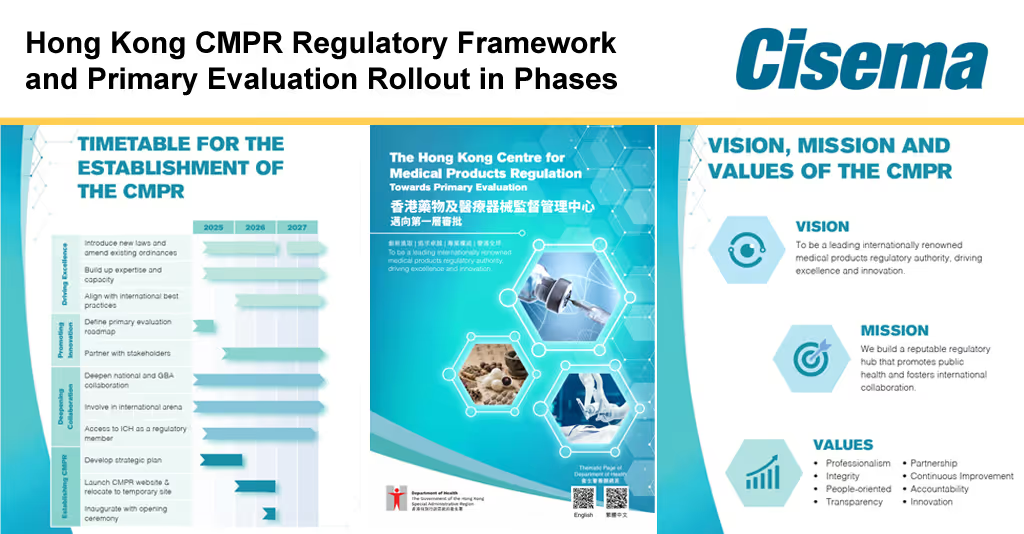
Hong Kong CMPR, scheduled to be established by the end of 2026, was announced by the Department of Health (DH) via email on June 26, 2025. This development marks a significant shift in the approval processes for pharmaceuticals and medical devices in Hong Kong. In parallel, a phased “primary evaluation” system will be introduced for product approvals, with full implementation anticipated by 2030.
Hong Kong CMPR - Regulatory Framework Overview
The Hong Kong CMPR will serve as the central body overseeing the regulation of pharmaceutical products, Chinese medicines, and medical devices. It aims to strengthen evaluation quality, promote innovation, and speed up access to safe and effective products. This initiative is part of Hong Kong’s broader goal to position itself as a hub for medical and health innovation. The changes will also help global companies access both local and Mainland China markets more efficiently.
Drug Regulatory Reform:
Preparatory Phase (Between 2024 to 2025)
To lay the Hong Kong CMPR's foundation for primary evaluation, the DH is focusing on several key areas:
- Digital Infrastructure: Enhancing the electronic registration platform to support ICH Common Technical Document (CTD) formats and clinical trial submissions.
- Application Categorization: Grouping application types to clarify regulatory requirements and allocate evaluation resources more effectively.
- Fee System Updates: Introducing new application and clinical trial fees that reflect resource needs and promote sustainability.
- Technology Integration: Exploring tools such as artificial intelligence to strengthen evaluation efficiency.
Implementation Stage (2026 to 2030)
The DH will roll out primary evaluation in four stages. Each phase will help build capacity and refine internal processes before full implementation.
- Phase 1 (2026 onwards): Applications for products with registered chemical entities seeking extended applications (e.g., new indications, dosage forms).
- Phase 2: Expands to registered biological entities with similar extended applications.
- Phase 3: Includes applications for drugs with non–first-in-class compounds and certain advanced therapy products.
- Phase 4 (by 2030): Marks full implementation, covering all pharmaceutical product types.
During this period, the Government will monitor resource needs and performance. Data collected in early phases will inform further adjustments to fees and operational planning. A gradual approach is expected to minimize disruption for both applicants and the Hong Kong CMPR.
Upcoming Reforms for Medical Devices
In parallel, Hong Kong is preparing to reform its medical device regulations. Currently, approval under the Hong Kong Medical Device Administrative Control System (MDACS) is voluntary. However, several measures have been introduced that give higher preference to devices with MDACS listing approvals when procuring for public hospitals. Cisema recently attended the Hong Kong International Medical Device Regulatory Forum, co-organized by the Chinese University of Hong Kong and the Medical Device Division, Department of Health, where we received the latest updates on the statutory regulation of medical devices.
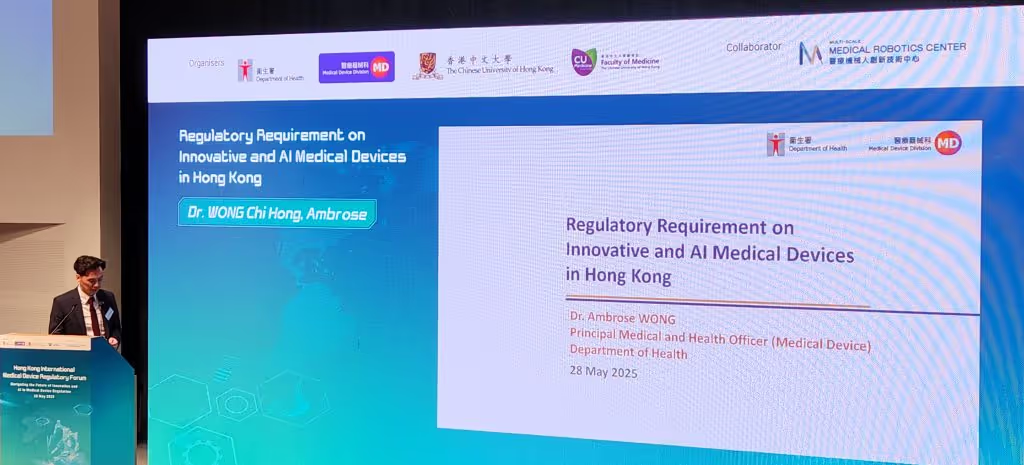
According to the Hong Kong authority, the long-anticipated legislation is expected to be introduced within the next two years to make such approvals mandatory. This reform will align Hong Kong’s primary evaluation framework with international norms and strengthen public health oversight.
Key Takeaways from the “1+” Workshop
On June 16, 2025, Cisema attended a workshop hosted by the Drug Office, Hong Kong Department of Health, titled Workshop for New Drug Applications under the "1+" Mechanism. The event provided updates for drug developers navigating the “1+” pathway—an option that allows applicants to base their submission on prior approval from one trusted regulatory authority (“1”), with additional data applicable to the Hong Kong population (“+”).
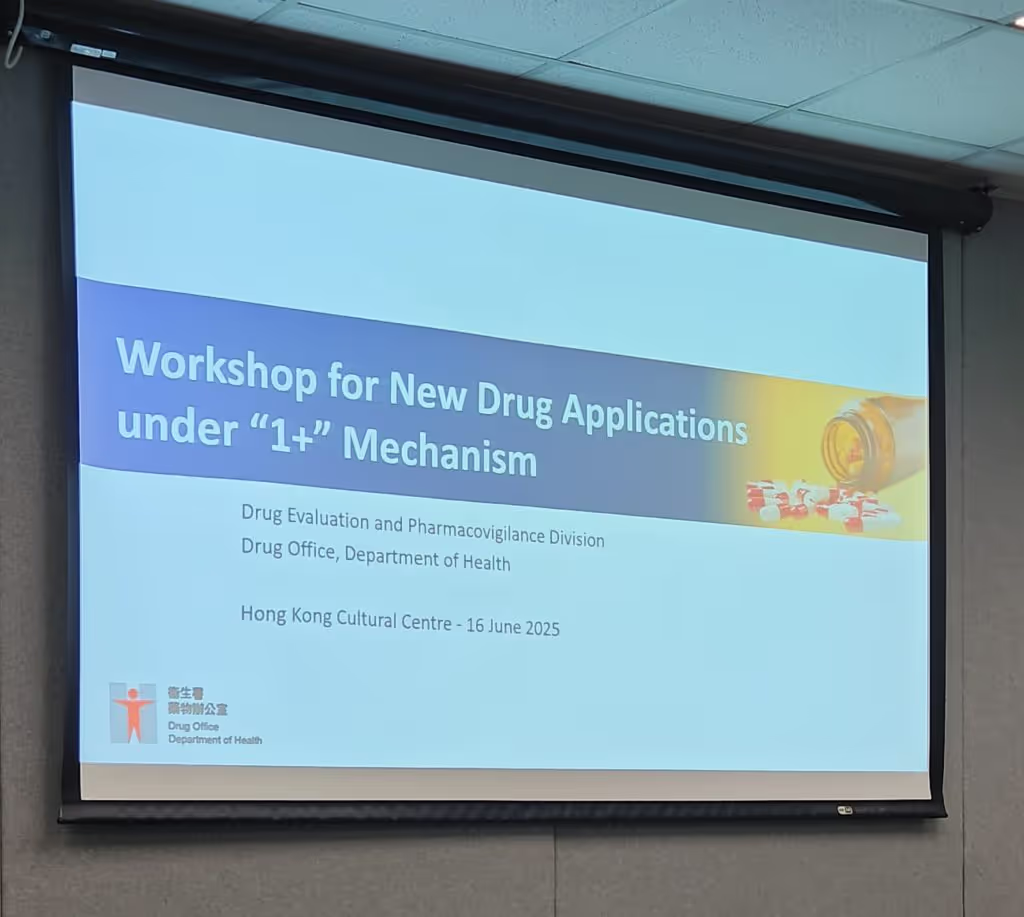
This route is especially useful for innovative drugs not yet registered in Hong Kong, offering a faster and more streamlined process.
Key takeaways of the workshop included the need for early pre-submission meetings and a Hong Kong based expert report on clinical relevance, utilizing local or regional data. Valid GMP certificates can speed inspections, and full assessment reports with minimal redactions are required. Reviews target 150 working days, with mandatory Risk Management Plans for all products. The expanded “1+” mechanism now also covers breakthrough therapies and some OTC drugs.
For full details, please read our dedicated article here.
Further Information
The establishment of the CMPR and the rollout of primary evaluation mark a significant step in Hong Kong’s regulatory transformation. Together with the upcoming mandatory medical device legislation and the expanded “1+” drug registration mechanism, these reforms offer a clearer, more efficient path for companies looking to bring high-quality medical products to the Hong Kong market.
For additional details about the schedule for setting up the CMPR and the plan for implementing “primary evaluation”, please visit the DH's thematic page .
Learn more about our Hong Kong medical device listing and drug registration services to ensure your products comply with Hong Kong’s regulatory requirements.
GET IN TOUCH
Connect with Cisema
With more than 20 years of experience and a team of over 100 specialists, Cisema helps global companies achieve compliance across Asia Pacific with confidence and accelerate market entry.
Stay Informed with Monthly News and Analysis
Stay informed with the latest regulatory changes, expert insights, and market opportunities across APAC, delivered straight to your inbox.
Related News

Hong Kong Requires MDACS Listing for Injectable Dermal Fillers by March 1, 2027
New requirements could affect how injectable devices, including dermal fillers, are supplied in Hong Kong’s private healthcare sector.

China Enacts First Healthcare Security Law: Impact on Global Medtech
China’s new Healthcare Security Law affects medical device reimbursement, health economic evidence, payment models, and digital traceability from 2027.

Indonesia Mandates Pre-Shipment Halal Verification for Imported Products
BPJPH Regulation No. 4 of 2026 introduces pre-shipment halal verification and LPPH reports for imported goods starting September 2026.