
Published on
Last updated on
Taiwan Spray Cosmetics Labelling Requirements: What’s New in 2025?
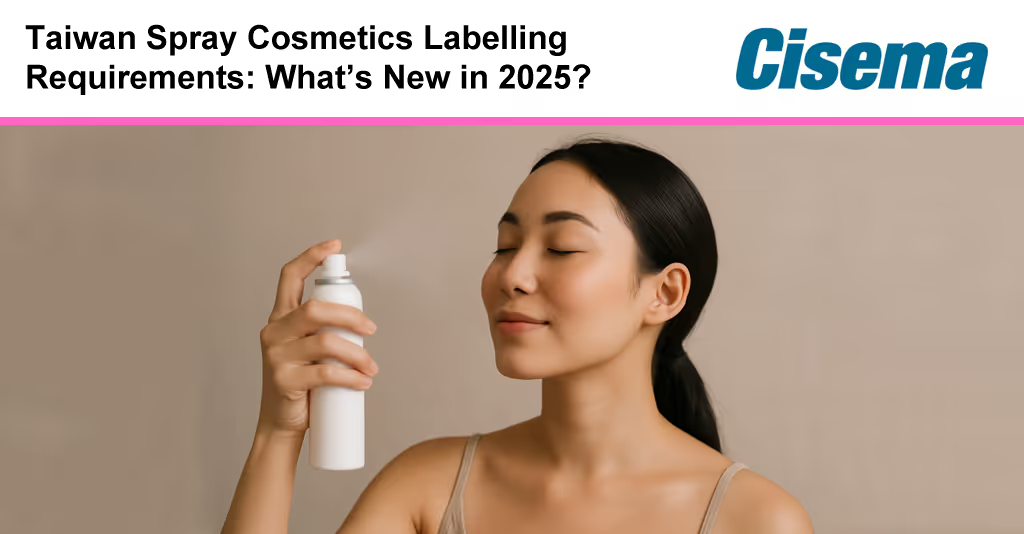
Taiwan spray cosmetics labeling requirements have been newly clarified with the release of a safety guideline (No. 1141614471) on June 23, 2025, by the Taiwan Food and Drug Administration (TFDA). This guidance is highly recommended for companies manufacturing or distributing aerosol or non-aerosol spray cosmetic products to follow closely when preparing product labels and instructions for use for products marketed in Taiwan.
Definition of Spray-Type Cosmetics
The TFDA defines spray-type cosmetics as products that dispense in a mist or spray form, either through pressurized (aerosol) or non-pressurized mechanisms. This includes:
- Pressurized sprays (e.g., aerosols)
- Non-pressurized pump sprays or squeeze bottles
Examples of such products include perfumes, deodorants, cooling sprays, sunscreen sprays, and hair fragrance sprays.
Additional Safety Labeling for Pressurized Sprays (Aerosols)
Due to the higher safety risks associated with pressurized containers, such as flammability or risk of explosion, the guideline specifies that the following four warning statements should be clearly indicated on the outer packaging, container, label, or instruction leaflet:
- Do not spray continuously on the same area to avoid cold burns (frostbite).
- Keep away from fire, heat sources, and electrical outlets during use.
- Do not expose to direct sunlight or high temperatures (e.g., inside cars). Store in a cool, dry place.
- Do not puncture or incinerate the container.
These warnings aim to reduce the potential hazards related to misuse or improper storage of aerosol products.
General Safety Labeling Requirements (All Spray Types)
Regardless of whether the product is pressurized or not, all spray-type cosmetics should include the following five precautionary statements on the label or insert:
- Maintain an appropriate distance between the product and the area being sprayed.
- Avoid spraying into the eyes, mucous membranes, or sensitive areas.
- Use in well-ventilated areas and avoid directly inhaling the spray.
- Products intended for children should be used under adult supervision.
- Keep out of reach of children.
These provisions help reduce inhalation risks, prevent accidental exposure, and enhance product safety, especially for vulnerable populations such as children.
Additional Ingredient Labeling
If the product contains regulated ingredients that require labeling, companies must still follow existing rules and declare them accordingly.
Boric acid will be fully banned from use in cosmetic products in Taiwan starting July 1, 2026. Learn more in our full article.
Key Takeaways
- Manufacturers of aerosol spray cosmetics should include both the aerosol-specific and general safety warnings (total of 9 items).
- Non-aerosol sprays only need to include the 5 general safety precautions.
- Failure to comply could result in consumer complaints, market withdrawal, or reputational risks, even if not directly punishable by law.
Need Help with Compliance in Taiwan?
Our regulatory experts specialize in navigating Taiwan’s cosmetic regulations, ingredient restrictions, labeling standards, and market access pathways. If your company produces or sells spray-type cosmetics in Taiwan, we can help ensure your products meet both mandatory and advisory requirements.
Contact us today or learn more about our Quality Control and Cosmetic Regulatory & PIF Management services to ensure your cosmetic products comply with Taiwan’s regulatory requirements.
GET IN TOUCH
Connect with Cisema
With more than 20 years of experience and a team of over 100 specialists, Cisema helps global companies achieve compliance across Asia Pacific with confidence and accelerate market entry.
Stay Informed with Monthly News and Analysis
Stay informed with the latest regulatory changes, expert insights, and market opportunities across APAC, delivered straight to your inbox.
Related News

Hong Kong Requires MDACS Listing for Injectable Dermal Fillers by March 1, 2027
New requirements could affect how injectable devices, including dermal fillers, are supplied in Hong Kong’s private healthcare sector.

China Enacts First Healthcare Security Law: Impact on Global Medtech
China’s new Healthcare Security Law affects medical device reimbursement, health economic evidence, payment models, and digital traceability from 2027.
Indonesia Mandates Pre-Shipment Halal Verification for Imported Products
BPJPH Regulation No. 4 of 2026 introduces pre-shipment halal verification and LPPH reports for imported goods starting September 2026.