CCC Electrical Certification in China
Manufacturers of electrical and electronic products looking to access the Chinese market need to obtain the China Compulsory Certification (CCC) mark. This certification system safeguards national safety and consumer protection through rigorous evaluation of products subject to compulsory product certification in accordance with the regulations of the People's Republic of China.
Managed by the Certification and Accreditation Administration of China (CNCA) under the State Administration for Market Regulation, the CCC program applies to various product types including audio and video equipment, industrial controllers, transformers, wires and cables, and more. Manufacturers or importers must apply for CCC certification if their products are to be exported to or sold in China. Products listed in the CCC catalogue must obtain a CCC certificate before they can be imported, sold, used, or traded in the Chinese market.

Regulatory Framework
Introduced in 2002, the CCC certification system unified China’s safety and compliance rules for consumer and industrial products. Electrical engineering products are among the most heavily regulated categories due to their impact on public safety and national infrastructure.
The regulatory foundation for CCC certification is defined by:
These rules specify the applicable national GB standards, type testing procedures, and factory inspection criteria to ensure consistent quality and safety. If your electrical product is not listed in the CCC catalogue, our experts can assist in filing classification applications to confirm whether certification is required. This request is sent to the CNCA for official determination of applicability. The review process conducted by authorities ensures proper classification and compliance with regulatory requirements.
CCC Electrical Product Scope
CCC certification is required for a broad range of electrical and electronic equipment across multiple sectors, including:
New product types, including smart electrical systems, high-efficiency drives, and energy-saving appliances, are continuously added as China strengthens regulatory oversight for safety and environmental performance.
Enterprises benefit from CCC certification by gaining consumer trust and complying with Chinese regulations, thereby getting easier domestic market access, enhanced product recognition, and improved corporate reputation.

The CCC Process for Electrical Products
Step 1: Application
Cisema offers comprehensive assistance throughout the application process, guiding clients on documentation requirements, audit preparation, and follow-up procedures to facilitate successful certification.
Cisema offers comprehensive assistance throughout the application process, guiding clients on documentation requirements, audit preparation, and follow-up procedures to facilitate successful certification.
Step 2: Type Testing in China
Each product must undergo type testing at a CNCA-accredited laboratory within China. These labs conduct rigorous safety, electromagnetic compatibility (EMC), electrical performance tests in line with national (GB Guobiao) standards.
Cisema coordinates the testing process, advises on sample selection, and manages shipping and customs for test samples. Our team also provides on-site support for proper handling of test cases. The availability of our support team ensures prompt responses and helps meet deadlines, which is crucial for a smooth and efficient process.
Step 3: Factory Inspection
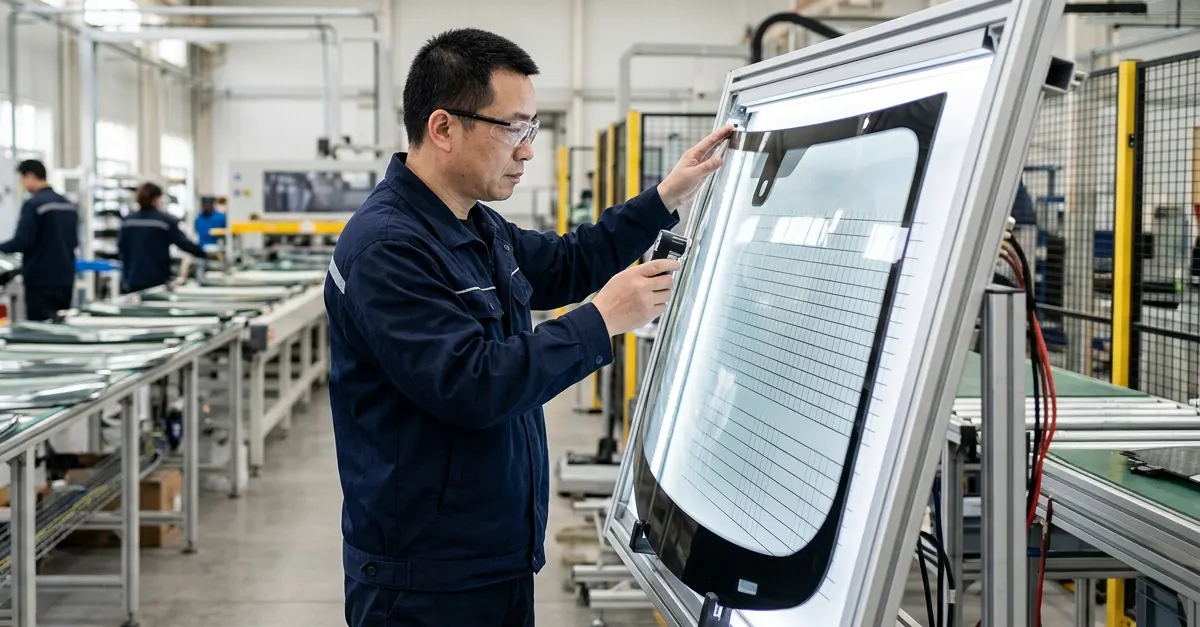
An initial factory inspection is mandatory and focuses on assessing the manufacturer’s Quality Management System (typically ISO 9001 based) and verifying consistency in production.
Inspectors from the certification body visit the site, conducting inspections at factories to ensure compliance with required standards. Cisema provides site inspection preparation, and professional interpretation services for a smooth outcome.
Depending on the product group, the inspection may be required before the CCC certificate can be issued. And for specific product groups, the inspection must usually be conducted within a given time frame after the CCC certificate was issued.
Step 4: Issuance of CCC Certificate
Depending on the stipulations whether a factory inspection must be completed first, once both testing and the inspection are successfully completed, the certification body issues the official CCC certificate.
The CCC certificates are typically valid for a period of five years, subject to supervision inspections and compliance maintenance. Before a product can be distributed or imported into China, it must:
CCC Mark & Its Importance
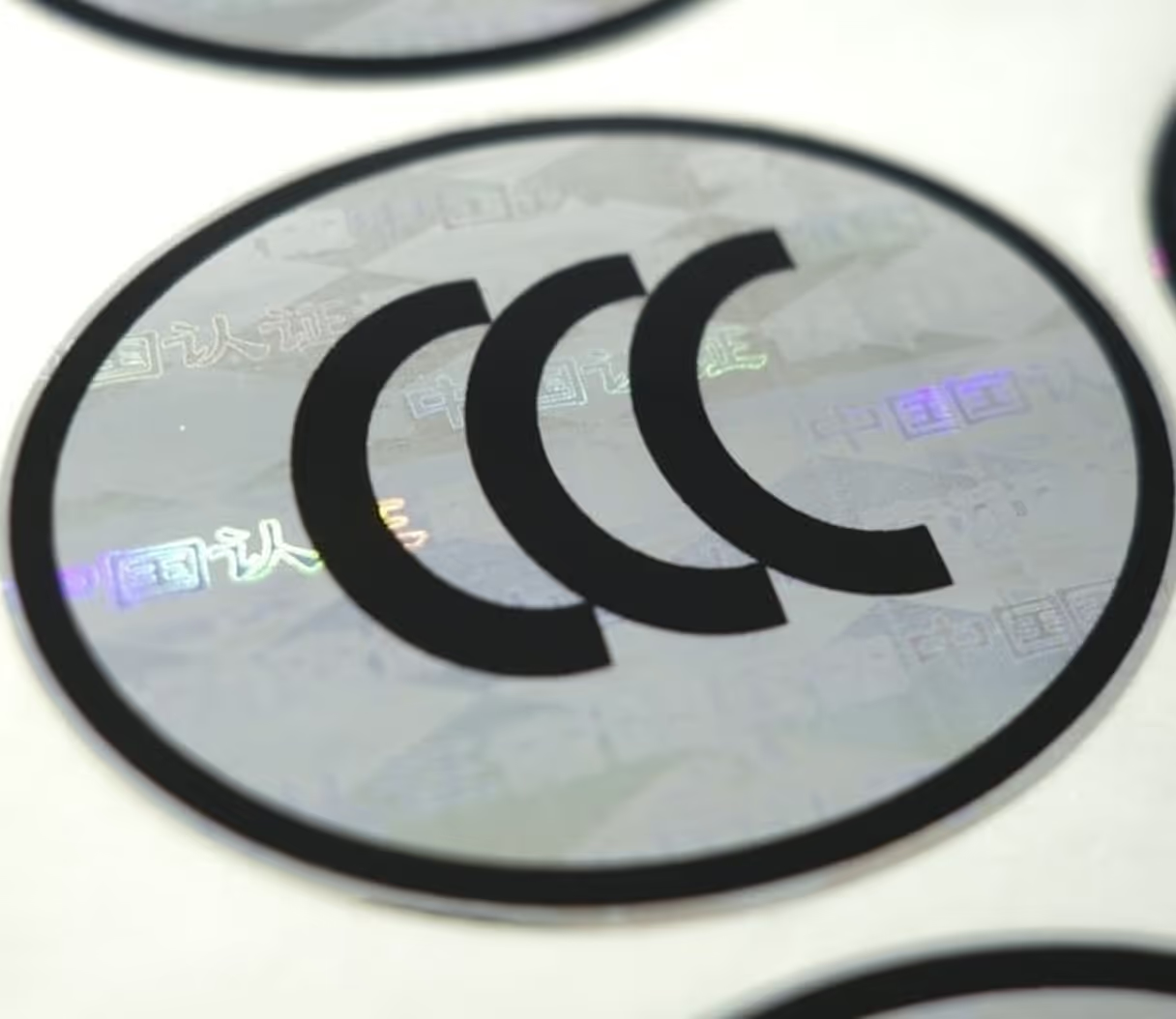
The CCC mark is a vital symbol of compliance for products entering the Chinese market, signifying that they meet all applicable Chinese standards and regulatory requirements. Before any product can be shipped to or distributed within China, the CCC mark must be clearly affixed, serving as visible proof that the product has passed the necessary certification process.
The presence of the CCC mark is not only a legal requirement but also a key factor in gaining the trust of Chinese consumers and business partners.
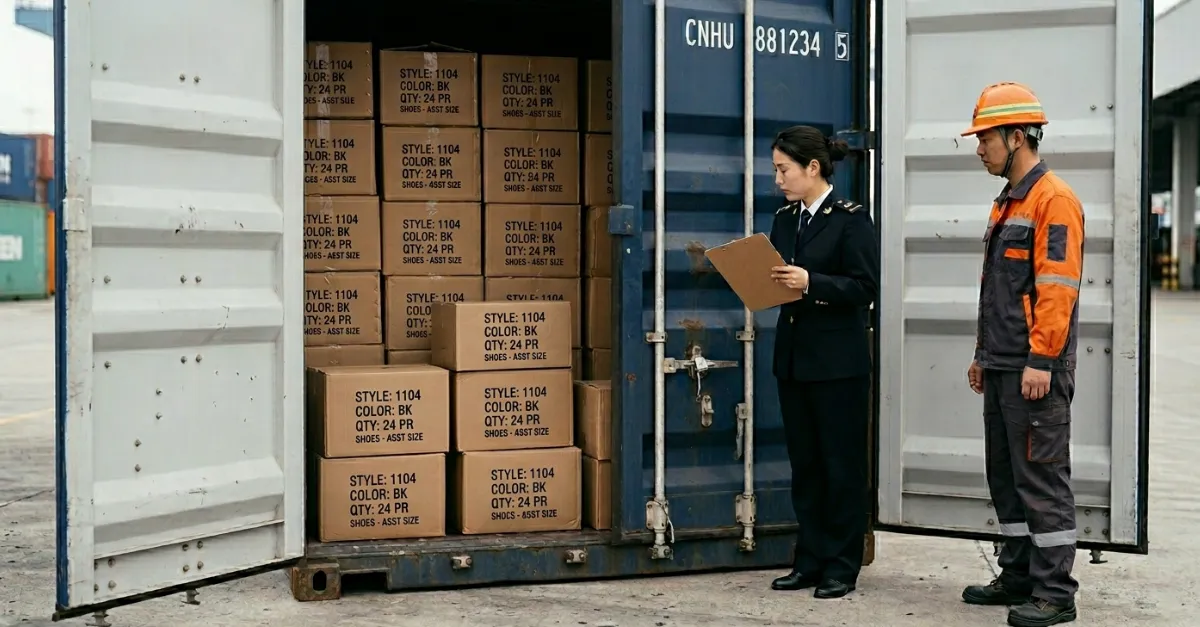
Products lacking the CCC mark may be detained or rejected by Chinese Customs, and manufacturers could face significant penalties or delays.
For manufacturers, ensuring that their products bear the CCC mark is essential for smooth customs clearance, regulatory compliance, and successful market entry in China.
Our China CCC Certification Services for Electrical Products
Cisema delivers expert regulatory solutions for CCC compliance for electrical products. Our tailored programs are built to deliver value, minimize risks, and ensure ongoing market access, which is mandatory for many product categories imported or sold in China, including automotive parts, industrial equipment, and more.
1
Applicability Assessment
2
Clearance Certificates
3
Exemption Handling
4
New CCC Certification
Full project management for first-time CCC applicants:
5
Certificate Changes
Management of modifications to existing certificates, such as:
6
Certificate Maintenance
Annual factory inspections to keep your CCC certificate valid.
7
Certificate Cancellation
8
CCC Self-Declaration
9
Authorized Representative Service
10
Friendly Audits and Consulting
11
Regulatory Translations
Request a Proposal to Get Approval for Your Electrical Products in China





Other Sectors We Support
Whether you’re just starting out or are a blue-chip, access our wide range of services and solutions to help your business thrive.
Automotive
We support your automotive products in navigating complex China market requirements, from CCC approval and CEL labeling to regulatory translation and certification maintenance. Our experts ensure a smooth path to market by managing testing, factory readiness, and communications with authorities.
Mechanical Engineering Products
We guide mechanical engineering products through China’s rigorous certification landscape — from SELO/CML licensing for special equipment to RoHS, CEL, HAF, PAC, NAL, and SRRC approvals. Whether you're manufacturing pressure vessels, smart factory systems, or wireless-enabled robotics, our team ensures your equipment meets all regulatory, safety, and performance standards for a successful market entry.
Fire Safety Products
We support manufacturers of fire safety products in meeting China’s strict regulatory requirements, from CCC certification for alarms, detectors, and fire doors to SELO/CML licensing for pressure-bearing components.
Whether your products are used in buildings, industrial sites, or critical infrastructure, we verify your full compliance with Chinese fire protection and special equipment regulations for safe and smooth market access.
Special Equipment (SELO)
We help manufacturers of special equipment navigate China’s stringent regulatory system — from SELO/CML licensing for boilers, pressure vessels, and amusement rides to CCC certification for integrated electrical components. Whether your products include lifting machinery, elevators, or fairground attractions, our team handles the necessary approvals and coordination with authorities for compliant and successful market access.
Household Equipment
We help household appliance manufacturers navigate China’s mandatory safety and energy efficiency certifications — from CCC certification for electrical safety to CEL labeling for energy performance. Whether you produce refrigerators, washing machines, air conditioners, or kitchen appliances, our experts handle testing, documentation, and regulatory submissions so your products are ready for market launch and compliance from day one.
Toys & Smart Play Products
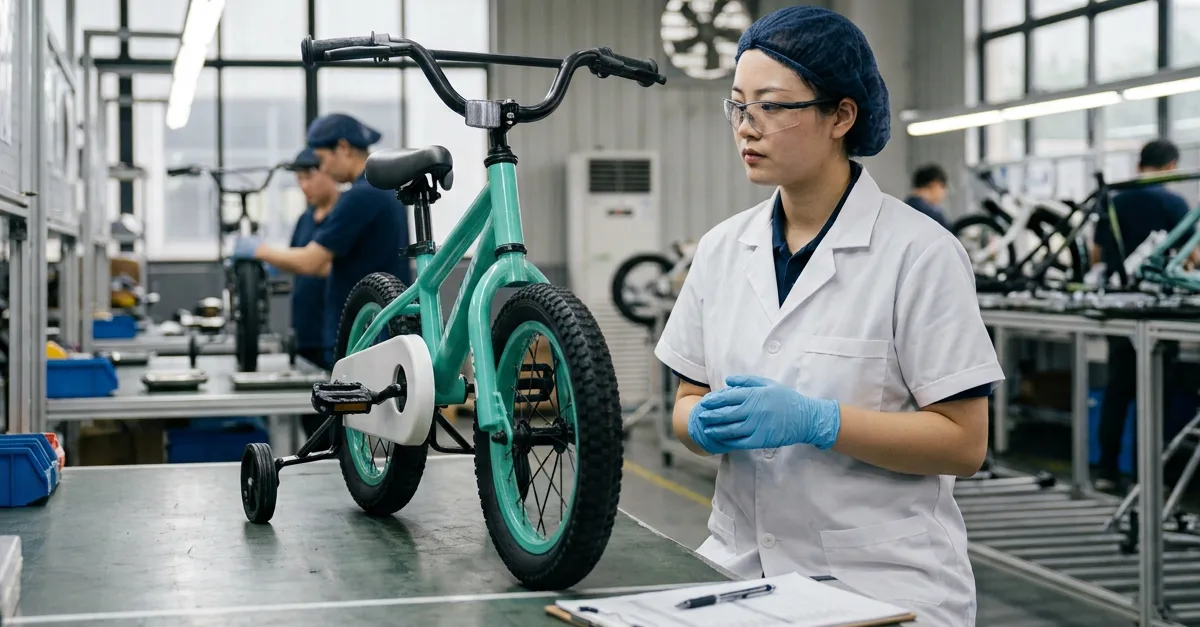
We help toy manufacturers and smart play product developers navigate China’s multi-layered regulatory landscape — from CCC certification for physical and electronic toys to RoHS compliance for hazardous substances, and SRRC or NAL approvals for wireless and SIM-enabled devices. Whether your products include traditional toys, remote-controlled gadgets, or connected smartwatches, our team manages testing, certification, and submission processes for a smooth and compliant market launch.
Nuclear
We provide full-service regulatory support for nuclear equipment suppliers, with a focus on HAF 604 certification, NNSA interactions, and local compliance strategy.
Medical Devices
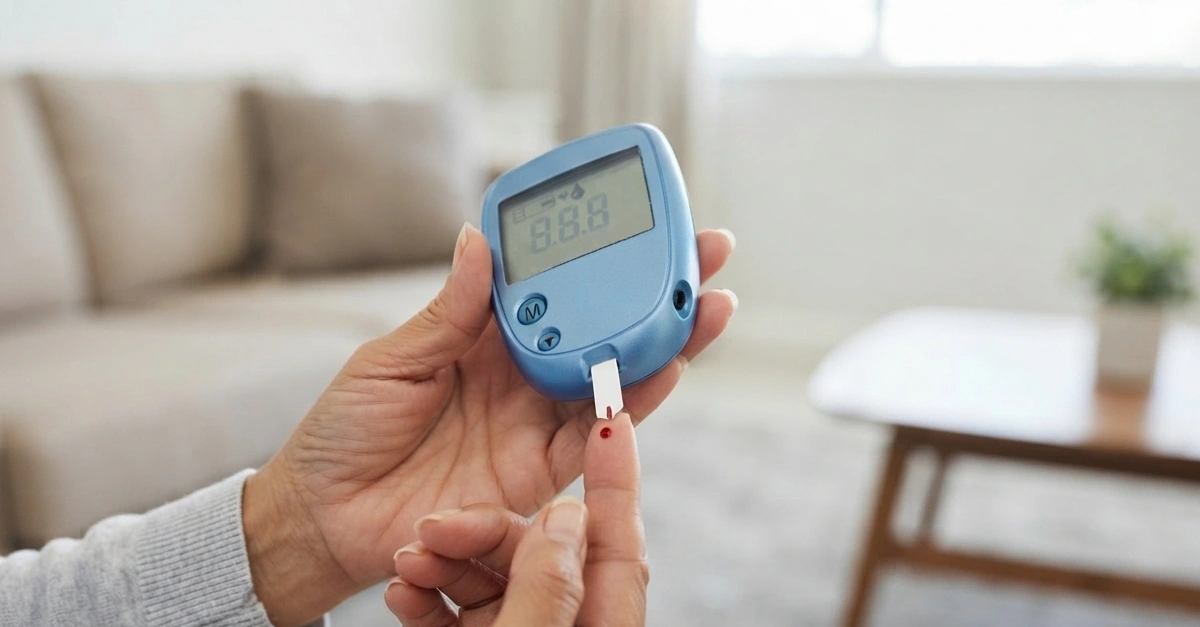
We help businesses navigate the evolving Medical Device ecosystem with our extensive expertise. From Clinical Trials to Product Registration and Post-Market Surveillance - learn how we can support your success in Asia-Pacific.
In Vitro Diagnostics
With typically stricter clinical validation requirements, our team supports your IVDs through all necessary evaluations to stay compliant.
Pharmaceuticals
We support the entire product lifecycle, from target identification through implementation, product extension, and redevelopment, by enabling efficient innovation launch, regulatory submission, and commercialization.
Biopharma & Biotech
We provide regulatory support for biopharma submissions, covering classification, clinical trial alignment, GMP compliance, import licensing, and engagement with related authorities. Our expertise helps you understand evolving guidelines, traceability requirements, and HGR regulations to accelerate approval and market access.
Cosmetics & Ingredients
We support cosmetic and ingredient manufacturers throughout the full product lifecycle in China — from pre-registration to post-market. Acting as your “responsible person,” our qualified Cosmetics Quality & Safety Managers handle filings, registrations, ingredient code applications, and testing. We maintain quality compliance with Chinese regulations and assist in preparation for NMPA audits.
Health Foods & Supplements
From sound regulatory strategies to preparing registrations and filings to supporting new raw material approvals, we help bring your products to market smoothly. Our team oversees quality compliance, inspection readiness, and testing of supplements, health foods, and raw materials in accredited local labs, so your products meet all regulatory requirements.
Veterinary Drugs & Pet Food
We support veterinary drug and pet food manufacturers with registration, import licensing, and compliance in China. As your local representative, we handle MARA interactions, oversee applications for new ingredients, maintain GMP standards, and manage product testing in certified labs — guiding you from market entry to post-launch.