
Published on
Last updated on
China Issues 2026 RoHS Catalogue: Expanded Scope & New Exemptions
On May 28, 2026, China's Ministry of Industry and Information Technology (MIIT) issued the "Announcement on the Conformity Management Catalogue for the Restriction of the Use of Hazardous Substances in Electrical and Electronic Products (2026 Edition)" together with the "Exemption List for Applications of Restricted Substances in the Conformity Management Catalogue (2026 Edition)."
The 2026 update represents a significant expansion of China's hazardous substance management. It consolidates the original 12 product types into 10 categories and adds 23 new categories, resulting in a total of 33 categories. While the Catalogue and Exemption List became effective upon publication, implementation dates vary.
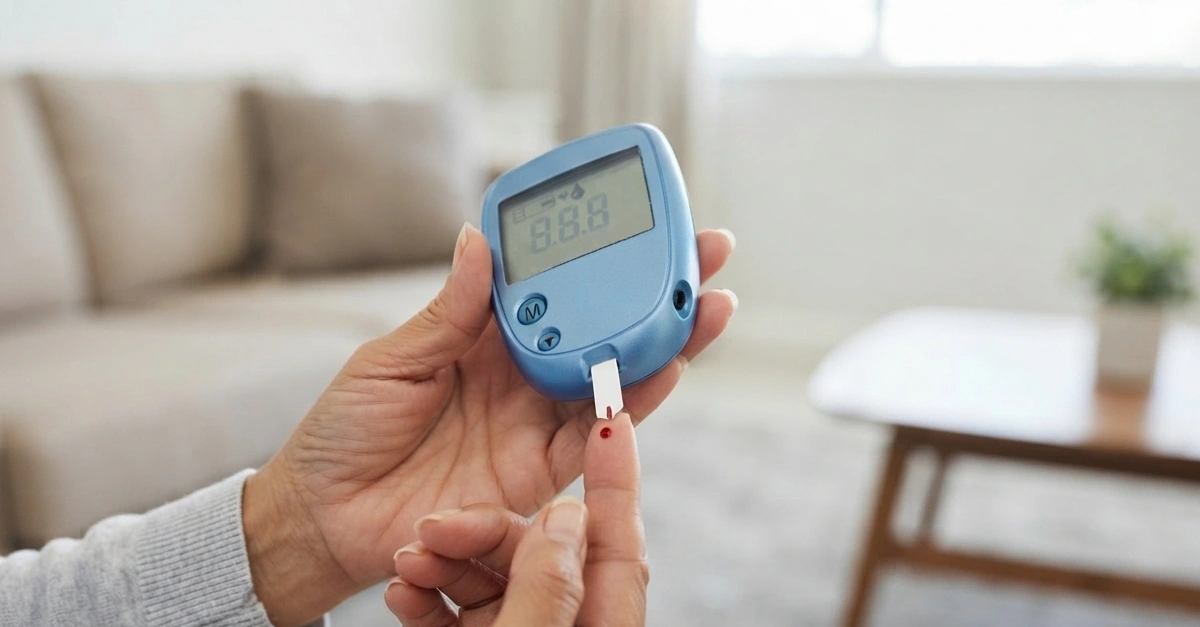
Newly added Catalogue products, including blood pressure monitors, blood glucose meters, and hearing aids, must comply with the substance restrictions in GB 26572-2025 and complete the required conformity assessment by August 1, 2027.
At a Glance
- Expanded Scope: The regulatory framework has grown from 12 to 33 categories, now encompassing a wider array of consumer and professional hardware.
- More Restricted Substances: Compliance now covers lead, mercury, cadmium, hexavalent chromium, PBB, PBDE, and four specific phthalates (DBP, BBP, DEHP, and DIBP).
- Revised Exemptions: A substantial overhaul includes six new exemptions, with one specifically addressing the repair and refurbishment of electronic medical devices.
- Multi-Regulation Compliance: Aligning electronics and medical products with RoHS (Restriction of Hazardous Substances), CCC (China Compulsory Certification), CEL (China Energy Label), and NMPA standards demands careful verification of timelines, rules, and potential variation filings.
- Product-specific deadlines: Manufacturers must verify the specific deadline assigned to each product category or subcategory to ensure timely compliance.
Navigating these complex regulatory updates requires precision; contact Cisema today to discuss your specific compliance needs and documentation requirements.
Expanded Scope of RoHS Compliance Framework
The 2026 Catalogue significantly widens the reach of China’s hazardous substance management. By increasing the regulated categories from 10 to 33, the MIIT has brought a range of common consumer and professional devices into scope, including:
- Medical & Wearable Tech: Hearing aids, electronic blood pressure monitors, blood glucose meters, and smartwatches
- Consumer & Enterprise Hardware: Portable power banks, servers, network equipment, smart home products, and electronic toys
For manufacturers with broad product portfolios, product classification should be the first priority. Each product should be assessed against the Catalogue’s updated definitions, scope notes, and implementation dates.
Products covered by the Catalogue must meet the applicable hazardous-substance restriction requirements by the stated implementation date and must be managed under China’s conformity-assessment system for restricted hazardous substances in electrical and electronic products.
Note on Component Use: A listed product used as a component of an out-of-scope product is generally exempt. However, if the final use is unspecified and the item is sold separately on the market, it is considered within the scope of the Catalogue.
GB 26572-2025: Four New Restricted Substances
The 2026 announcement identifies the following ten restricted substances:
- Lead
- Mercury
- Cadmium
- Hexavalent chromium
- Polybrominated biphenyls
- Polybrominated diphenyl ethers
- Dibutyl phthalate (DBP)
- Diisobutyl phthalate (DIBP)
- Butyl benzyl phthalate (BBP)
- Di(2-ethylhexyl) phthalate (DEHP)
Manufacturers should not assume existing records cover these four substances. Where evidence is lacking, additional testing, material declarations, or supplier engagement will be required to meet China’s conformity-assessment standards.
Updates to the Exemption List
The 2026 Exemption List replaces the previous exemption list issued in 2018 and sets out the applications for which restricted substances may continue to be used under specified conditions.
Specifically, it:
- Removes six exemptions
- Updates one exemption
- Refines ten exemptions
- Introduces six new exemptions
One exemption is particularly relevant to electronic medical devices. It covers DEHP, BBP, DBP, and DIBP in parts recovered from electronic medical devices, including in vitro diagnostic equipment and related accessories, where those parts are reused for repair or refurbishment.
The exemption is subject to specific conditions:
- The reused parts must come from electronic medical devices
- The parts must be used for repair or refurbishment
- The recovery system must operate as an auditable business-to-business closed loop
- Customers must be informed
- The exemption applies only to electronic medical devices
Manufacturers relying on this exemption should document how each condition is met. The exemption should not be interpreted as a general authorization to use phthalates in new medical device components.
Because the 2026 Exemption List replaces the previous list, manufacturers should reassess any products that rely on an exemption and confirm that the applicable wording, scope, limits, and conditions remain satisfied.
Regulatory Implications
The addition of electronic blood pressure monitors, blood glucose meters, and hearing aids makes the 2026 Catalogue particularly relevant to medical device manufacturers.
These product categories must complete an IFU change application to the NMPA before August 1, 2027. Manufacturers should use the transition period to confirm:
- Whether each product falls within the updated Catalogue definition
- Whether all ten restricted substances are addressed in supplier an material-compliance records
- Whether any exemption is being relied upon
- Whether product documentation must be pdated under applicable China RoHS requirements
- Whether related changes to registered product documentation require separate review under currentNMPA procedures
The MIIT announcement itself does not specify the NMPA filing or variation pathway for document changes. Manufacturers should therefore verify any NMPA implications separately before incorporating them into regulatory timelines.
Compliance Roadmap: Five Priorities for Manufacturers
The period before the applicable implementation date should be used not only for technical changes, but also for product classification, supply-chain review, evidence collection, and documentation planning.
Companies should focus on these five priorities:
1. Map Your Portfolio Against the Expanded Catalogue
Manufacturers should compare each product with the Catalogue’s revised definitions and scope descriptions.
Particular attention should be given to the 23 newly added categories, including electronic medical devices, wearables, connected products, accessories, and products sold separately without a clearly specified final use.
The applicable implementation date should be recorded for each product or subcategory.
2. Ensure Substance Data Addresses All Ten Restricted Substances
Existing supplier declarations and material-compliance records may not address the four phthalates.
Manufacturers should identify evidence gaps and, where necessary, obtain updated supplier declarations, material data, technical records, or test reports.
3. Review Products That Rely on Exemptions
Products that previously relied on an exemption should be reassessed against the wording and conditions of the revised 2026 Exemption List.
For electronic medical devices using recovered parts for repair or refurbishment, manufacturers should verify the closed-loop recovery system, auditability, customer-notification process, and device-specific scope of the exemption.
4. Integrate Documentation Updates into Implementation Planning
Technical documentation should be reviewed alongside material and product compliance.
Manufacturers should determine which declarations, conformity-assessment records, product files, labels, instructions, or other documents must be updated under the applicable China RoHS requirements
These activities should be planned alongside technical compliance rather than treated as a final administrative step.
5. Verify NMPA Implications for Registered Medical Devices
Manufacturers should look beyond single-regulation compliance, recognizing that RoHS, CCC, CEL, and other standards frequently apply to electronic and medical products.
Furthermore, for registered medical devices, manufacturers must determine whether any proposed change to product documentation requires an NMPA filing, notification, or variation application. The regulatory pathway and expected review period should be confirmed under the applicable rules and incorporated into the implementation schedule.
Final Thoughts
The 2026 Conformity Management Catalogue represents a major step in the maturation of China’s hazardous substance control framework. For overseas manufacturers, success lies in proactive identification of scope changes and the timely update of technical and regulatory files.
Navigating these complexities, from rigorous material compliance and exemption auditing to the intricacies of regulatory documentation, requires a partner with deep local insight. Cisema helps manufacturers navigate evolving regulatory requirements across China, ranging from initial product scope assessments and hazardous substance compliance reviews to ongoing quality management guidance and the finalization of necessary regulatory documentation and variation updates.
Contact Cisema today to evaluate your compliance obligations, identify documentation gaps, and secure your market access before the 2027 implementation date.
Further Information
- Explore Cisema’s services for medical devices in China
- Explore Cisema’s services for China Compulsory Certification (CCC)
- Explore Cisema’s services for China Energy Label (CEL)
- Refer to our article "China’s SAMR Mandates Hazardous Substances Regulations for Electrical and Electronic Products" for more about China RoHS
References
- Announcement from the Ministry of Industry and Information Technology of the People's Republic of China
- Policy Interpretation: The "Catalogue of Compliance Management for the Restriction of Hazardous Substances in Electrical and Electronic Products (2026 Edition)" and the "Exception List for the Application of Restricted Substances in the Compliance Management Catalog (2026 Edition)"
- A Picture to Understand: "Directory of Compliance Management for Restricted Use of Hazardous Substances in Electrical and Electronic Products (2026 Edition)" and "List of Exceptions to Restricted Substances in the Compliance Management Catalog (2026 Edition)"
- Requirements for Restricted Use of Hazardous Substances in Electrical and Electronic Products
Connect with Cisema
With more than 20 years of experience and a team of over 100 specialists, Cisema helps global companies achieve compliance across Asia Pacific with confidence and accelerate market entry.
Stay Informed with Monthly News and Analysis
Stay informed with the latest regulatory changes, expert insights, and market opportunities across APAC, delivered straight to your inbox.
Related News

Vietnam Expands CSDT Appraisal Capacity for Medical Devices
Vietnam’s Decision No. 3046/QĐ-BYT expands CSDT appraisal capacity for medical devices.

New Apostille Decree Takes Effect: Implications for Medical Device and Cosmetic Regulatory Dossiers
Learn how Vietnam’s Apostille Decree may affect medical device registration and cosmetic product notification, including CFS, LOA, and document legalization requirements.

China Releases 50 New and Revised Food Safety Standards
Discover key changes in China’s 50 new national food safety standards and learn how foreign food manufacturers can prepare for upcoming compliance deadlines.