China Supplements: Mastering Quality Compliance
With the growing demand for health food and dietary supplements in China, regulatory scrutiny has intensified. The State Administration for Market Regulation (SAMR) requires manufacturers to meet strict compliance obligations to protect consumer safety, ensure efficacy, and build consumer trust. Whether you're producing vitamin or mineral supplements, FSMP, or functional food products, operating in the Chinese market means adapting to a robust and evolving regulatory framework.
At the heart of China’s regulatory system is a focus on quality, health functions, and the health benefits of your products. A compliant quality management system (QMS) isn’t just a formality—it’s essential for entering and staying in the world’s second-largest health supplement market.


Key Regulatory Requirements for Health Food & Supplement Manufacturers in China
Manufacturers of health food products, including supplements and functional health products, must comply with comprehensive regulations covering all stages from sourcing raw materials to marketing finished goods:
1. Establishing a Production Quality Management System
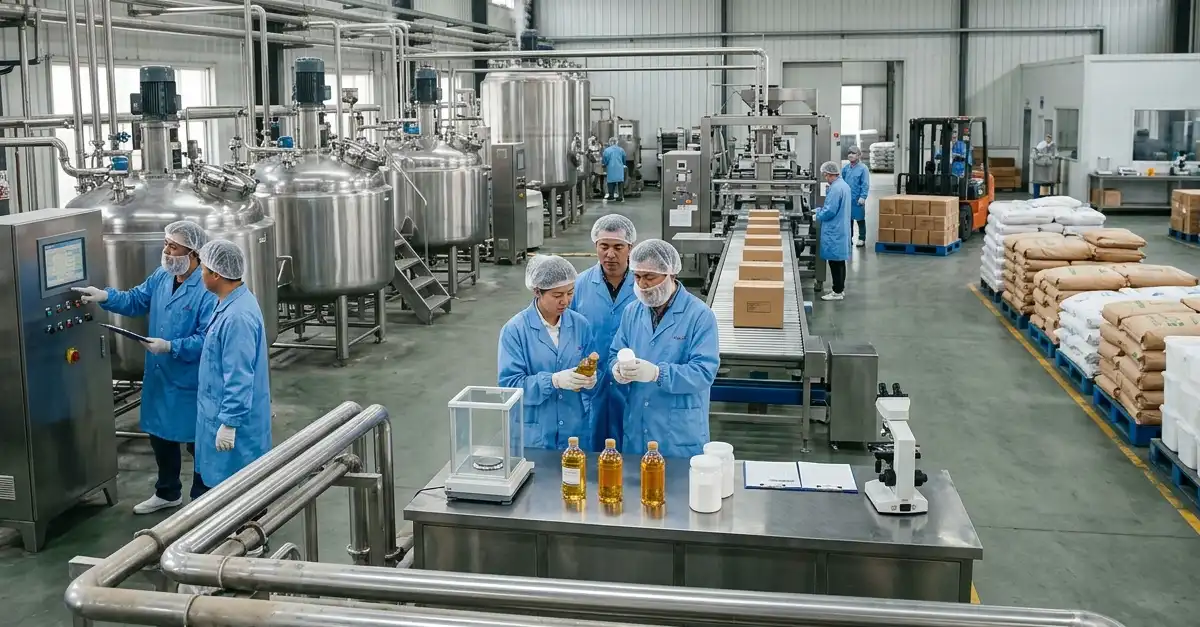
Companies must implement and maintain a QMS aligned with good manufacturing practices for health food and dietary supplements. This system must ensure product safety, efficacy, and traceability and should reflect the specific health functions claimed on the label—such as enhancing immunity, supporting digestion, or improving sleep. This system should cover:
2. Conducting Regular Self-Inspections
To maintain system integrity, manufacturers are required to conduct at least one internal self-inspection per year. Reports must be submitted to the relevant provincial administration for market regulation, which oversees local conformity with national standards.
3. On-Site Inspections and Surveillance
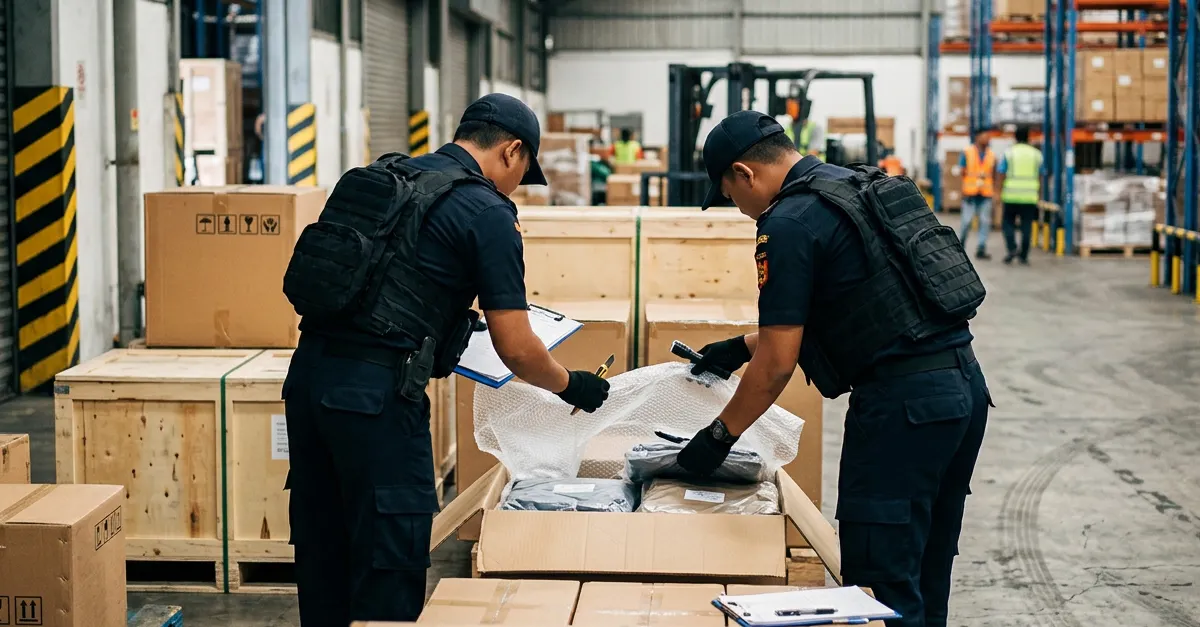
The SAMR conducts planned and unannounced on-site inspections that include sampling food products, auditing functional claims, and reviewing documentation from sourcing to marketing. Imported supplements and health food products are included in these inspections under the Provisional Regulations on On-site Verification of Special Food Registration:
Common Challenges for Supplement Manufacturers
Operating in China’s complex health food market brings challenges, particularly for overseas companies unfamiliar with local rules. Issues include:
1. Inadequate Internal QMS Systems
Some enterprises rely on international systems that don’t fully align with Chinese regulatory expectations, leading to gaps in documentation or procedural conformity.
2. Failure to Conduct or Submit Self-Inspections
Annual self-inspections are often overlooked or not reported, risking penalties or increased scrutiny from local regulators.
3. Weak Documentation Control
All core documentation—including self-inspection reports, traceability records, and supplier evaluations—must be available in Chinese and kept up to date.
4. Lack of Awareness of FSMP and Infant Formula Requirements
Food for Special Medical Purposes (FSMP) and infant formula foods are held to stricter safety and nutritional standards. Manufacturers must ensure formulation, labeling, and claims comply with China's latest regulatory updates.
- 5. Poor Oversight of Raw Material Suppliers & Outsourced Processes
Chinese regulations hold the final manufacturer fully accountable for the quality, safety, and compliance of all inputs and outsourced steps in the production chain. As such as missing audits, quality agreements, or traceability documentation, can lead to serious violations under China’s strict health food regulations.
Our Supplements' Quality Compliance Services
Cisema supports manufacturers of health food, supplements and FSMP throughout their journey in China. Our services help you maintain QMS integrity, meet inspection standards, and confidently navigate evolving regulations.
QMS Review & Setup
Self-Inspection Preparation & Reporting
On-Site Inspection Preparation
Document Localization & Control
Request a Proposal for Health Food & Supplement Services







Other Industries We Support
In addition to IVDs, we offer consulting services across regulated industries including medical devices, pharmaceuticals, biopharma, cosmetics, health foods, veterinary products, and other industrial and consumer goods. Our team ensures tailored regulatory compliance strategies, regardless of product category or manufacturing model.