
Published on
Last updated on
Guangdong Releases 2026 Guideline for Importing Hong Kong and Macao Medical Devices into the Greater Bay Area
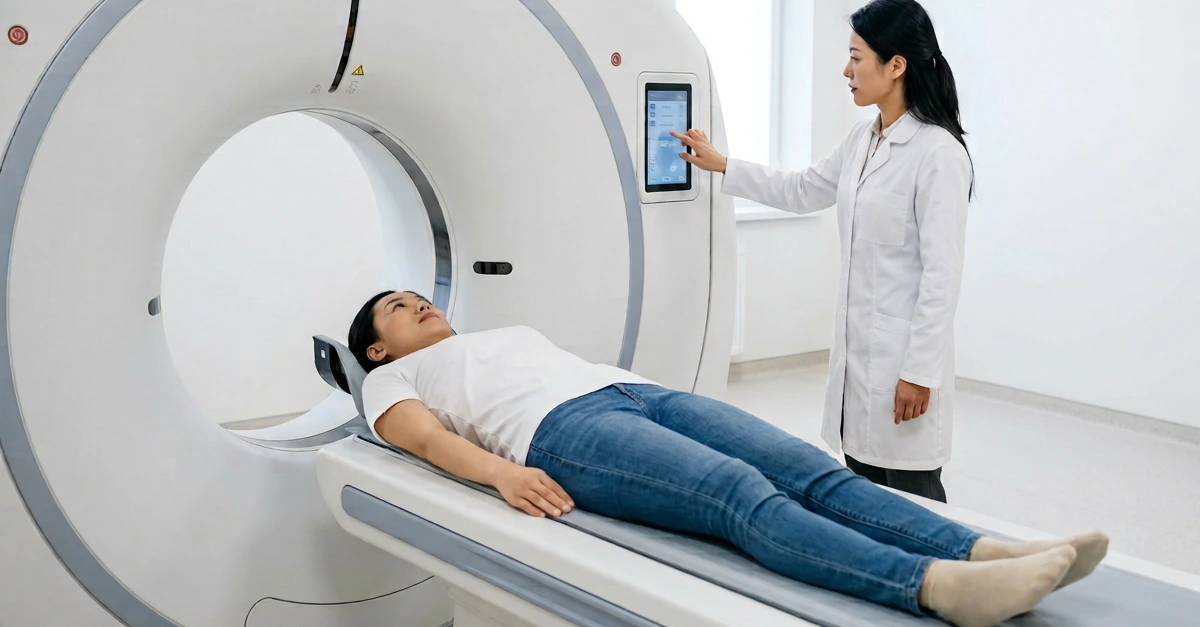
On July 20, 2026, the Guangdong Provincial Medical Products Administration (MPA) issued a new 2026 Guideline for the Application of Clinically Urgent Hong Kong and Macao Medical Devices within the Greater Bay Area. Replacing the 2024 iteration, these revised rules take effect on August 8, 2026.
The revised framework introduces more detailed requirements for clinical need, clinical advancement, benefit-risk assessment, safety data and healthcare institution readiness. At the same time, its allows streamlined repeat applications for medical devices that have already been approved under the scheme.
For medical device manufacturers seeking access to the GBA, the changes signal a move toward a more structured, evidence-based assessment of clinical value and patient benefit.
At a Glance
- Replaces 2024 Framework: Formally updates and supersedes previous regulatory guidelines.
- Elevated Clinical Proof: Requires explicit proof of clinical urgency and technological advancement relative to mainland alternatives.
- Formalized Risk Framework: Introduces structured benefit-risk profiles with a dedicated focus on Asian demographic data.
- Enhanced Safety Focus: Places greater weight on adverse event tracking and post-market safety records.
- Streamlined Repeat Approvals: Significantly reduces dossier requirements and review times for previously approved devices.
What Is the GBA Connect Scheme?
The GBA Connect Scheme pathway enables designated healthcare institutions in mainland Greater Bay Area cities to access urgently needed innovative medical technologies already used in Hong Kong or Macao but are not yet approved in mainland China.
The pathway is designed to improve patient access to innovative medical technologies where suitable treatment options are unavailable or insufficient in mainland China.
The 2026 guideline indicates that Guangdong is placing greater emphasis on whether these devices provide demonstrable clinical value, rather than relying solely on their regulatory status or availability in Hong Kong and Macao.
Key Requirements for GBA Medical Device Applications
To ensure that only truly beneficial technologies gain access through this pathway, the 2026 framework establishes elevated criteria across five distinct compliance operational areas. Applicants must build a rigorous, multi-layered case across each of the following pillars:
1. Stronger Clinical Need Assessment
Applicants must now provide comprehensive information regarding:
- Product characteristics
- Mechanism of action
- Intended use
- Target patient population
- Disease burden
- Existing treatment options
- Unmet medical needs
Applications must also compare the device with treatment options currently available in mainland China.
This makes the China-specific clinical context particularly important. Demonstrating that a device is innovative or already used overseas is not, by itself, sufficient. Applicants need to explain why the device is clinically needed for patients in the GBA.
2. Greater Focus on Clinical Advancement
A distinguishing feature of the medical device guideline is its greater emphasis on clinical advancement.
Applicants are expected to demonstrate whether the technology offers advantages over products already available in China.
Relevant factors include:
- Technical design
- Materials
- Manufacturing process
- Performance specifications
- Clinical outcomes
Manufacturers should therefore identify the device's key differentiating characteristics and establish how those differences translate into meaningful clinical advantages.
3. Formal Benefit-Risk Evaluation Framework
The revised GBA medical device framework introduces a more structured benefit-risk assessment.
Manufacturers must now provide structured assessments addressing:
- Global commercialization history
- Global utilization experience
- Serious adverse events
- Asian population experience
- Risk mitigation measures
The application should establish that the device's expected clinical benefits outweigh its potential risks for the intended patient population.
The specific emphasis on Asian patient experience is particularly relevant for manufacturers whose clinical and post-market evidence is primarily derived from non-Asian populations.
4. Stronger Institutional Capability Requirements
The designated healthcare institution must also demonstrate that it can safely use and manage the imported device.
Requirements may include:
- Appropriate operating procedures
- Training programs
- User qualifications
- Risk management systems
- Adverse event response capabilities
Training records and evidence of prior experience may also be required.
5. Enhanced Ethics Review Expectations
The 2026 guideline provides more detailed expectations for ethics committee review and informed consent documentation.
Records should clearly document:
- Ethics committee review activities
- Personnel involved in the review
- Review conclusions
Review Timelines and Approval Pathways
While evidentiary standards have risen, statutory review clocks for standard processing remain largely stable.
The workflow splits based on whether a device is new to the GBA Connect Scheme or already listed.[RM3]
Directory-Outside Medical Devices (Typically First-Time Applications)
Innovative medical devices entering the GBA Connect Scheme pathway are not initially included in the urgent medical device directory and therefore follow the directory-outside review pathway.
- Application acceptance and dossier review.
- Technical review and expert evaluation organized by GDMPA.
- Guangdong Health Commission review within 10 working days.
- GDMPA approval decision within 10 working days.
- Expert review period of 15 working days is excluded from the statutory review clock.
Indicative regulatory review timeline: approximately 35 working days after acceptance, excluding applicant response time for deficiency questions.
In addition to demonstrating clinical need, applicants should be prepared to provide evidence supporting the device's clinical advancement, safety profile and anticipated patient benefit relative to currently available treatment options in China.
Directory-listed Medical Devices (Repeat Applications)
For devices already approved and listed under the GBA directory, the framework features a simplified renewal process[RM4] . Instead of resubmitting full clinical dossiers, institutions can present an Imported Medical Device Utilization Summary detailing real-world usage statistics, adverse event monitoring, and risk management outcomes.
The process is as follows:
- The designated healthcare institution submits the application via provincial licensing system.
- Guangdong authorities conduct a completeness review of the dossier.
- The Guangdong Health Commission reviews institutional qualifications, ethics approval, clinical need and management systems within 5 working days.
- Based on the review outcome, the Guangdong Medical Products Administration (GDMPA) issues an approval decision within 5 working days.
Indicative regulatory review timeline: approximately 10 working days after acceptance, excluding any time required for dossier supplementation.
What the 2026 GBA Guideline Means for Medical Device Manufacturers
To minimize delays and navigate the dual-track approval process effectively, medical device companies should align their strategies around four practical priorities:
- Clearly Demonstrate Innovation: Manufacturers should prepare stronger evidence showing how their technology differs from existing alternatives.
- Prioritize Clinical Evidence: Clinical benefit claims should be supported by robust data and real-world experience.
- Address Hospital Readiness Early: Successful applications will increasingly depend on demonstrating the institution's capability to safely use and manage the device.
- Capitalize on Lifecycle Advantages: Take advantage of the streamlined renewal pathway for previously approved products.
Looking Ahead
The 2026 guideline raises expectations for first-time applications while creating a more efficient pathway for products already in clinical use. The revisions suggest Guangdong regulators are moving toward a more structured value-based assessment model focused on clinical urgency, innovation and patient safety.
For medical device manufacturers considering the GBA Connect Scheme pathway as part of their China market entry strategy, early planning and clear evidence generation will be critical. Cisema helps companies navigate clinical need assessments, regulatory strategy and application preparation under the GBA medical device framework.
Contact Cisema today to discuss your GBA market access strategy.
Further Information
Explore Cisema’s services for Hong Kong Medical Device Listing (MDACS) and GBA Connect Scheme Advisory.
References
Connect with Cisema
With more than 20 years of experience and a team of over 100 specialists, Cisema helps global companies achieve compliance across Asia Pacific with confidence and accelerate market entry.
Stay Informed with Monthly News and Analysis
Stay informed with the latest regulatory changes, expert insights, and market opportunities across APAC, delivered straight to your inbox.
Related News

Hong Kong Requires MDACS Listing for Injectable Dermal Fillers by March 1, 2027
New requirements could affect how injectable devices, including dermal fillers, are supplied in Hong Kong’s private healthcare sector.

China Enacts First Healthcare Security Law: Impact on Global Medtech
China’s new Healthcare Security Law affects medical device reimbursement, health economic evidence, payment models, and digital traceability from 2027.

Indonesia Mandates Pre-Shipment Halal Verification for Imported Products
BPJPH Regulation No. 4 of 2026 introduces pre-shipment halal verification and LPPH reports for imported goods starting September 2026.