China Cosmetic Quality Control & Compliance

China’s Cosmetic Supervision and Administration Regulation (CSAR) has transformed how cosmetic products are regulated, with a clear shift toward quality control, consumer safety, and traceability. Whether launching new products or maintaining existing ones, cosmetic companies must now demonstrate full compliance across the product lifecycle, supported by a China-adapted quality management system, certified cosmetic testing methods, and readiness for official inspections by the National Medical Products Administration (NMPA).

Cosmetic Quality Control and Regulatory Compliance Consultants
Cosmetic Quality Control

Regulatory Landscape: Why Cosmetic Quality Control Matters in China

CSAR, enforced by the NMPA since 2021, applies equally to general and special cosmetic products. It requires that both imported and domestic cosmetic products:

Are manufactured under a compliant QMS and Chinese Cosmetic Good Manufacturing Practice standards
Contain ingredients approved in the Inventory of Existing Cosmetic Ingredients in China (IECIC) or registered as new ingredients
Are monitored post-market for both safety and efficacy.
Undergo mandatory testing in NMPA-accredited Chinese laboratories using approved testing methods
Meet national labeling and packaging requirements
Maintain traceability throughout the supply chain and production process

Failure to meet these regulatory requirements may result in penalties, product delisting, or suspension of licenses. Cosmetic companies must now treat quality not just as a manufacturing function but as a legal obligation within China’s regulatory landscape.

Testing Requirements Under Chinese Cosmetic Regulations

China mandates that most cosmetic testing for registration or filing be conducted locally in certified laboratories. These tests cover both ingredients and the final product, forming part of the technical documentation submitted to NMPA.

Cisema coordinates testing through accredited laboratories in China for:

Microbiological testing to assess microbial contamination and prevent exposure to harmful bacteria
Physical and chemical analyses to evaluate composition, pH, and stability testing
Toxicology testing, including skin irritation and eye irritation assessments
Human safety evaluations such as patch tests and supervised human use trials
Efficacy testing to support claims such as skin hydration, whitening, or anti-wrinkle.

Advanced analytical techniques like gas chromatography or high performance liquid chromatography may be used to detect heavy metals, endocrine disruptors, and other potential health risks. These tests are crucial for ensuring consumer safety and upholding product safety standards.

Most recently, the NMPA has mandated that full Product Safety Assessment Reports must be submitted for all end product cosmetics. This requires additional tests to be carried out including:

stability testing to verify product performance over its shelf life
preservative challenge testing to confirm antimicrobial effectiveness in real-use conditions, and
product and packaging compatibility testing to ensure no harmful interactions occur between the formulation and its primary container.

These tests are now mandatory for cosmetic registration and filing in China under the updated implementation of PSAR and can be performed either in certified Chinese or overseas laboratories, forming an essential part of the product’s technical documentation. Here is a summary table:

Test Area

Key Goal

Applies To

Stability Test

Verify shelf life and physical-chemical stability

All end-product cosmetics

Preservative Challenge Test

Confirm preservative system controls microbial growth

Water-based or emulsified products with preservative systems

Product and Packaging Compatibility Test

Ensure no adverse interaction between formula and packaging

All products with direct-contact primary packaging

Stability Test

Key Goal

Verify shelf life and physical-chemical stability

Applies To

All end-product cosmetics

Preservative Challenge Test

Key Goal

Confirm preservative system controls microbial growth

Applies To

Water-based or emulsified products with preservative systems

Product and Packaging Compatibility Test

Key Goal

Ensure no adverse interaction between formula and packaging

Applies To

All products with direct-contact primary packaging

Accurate Labeling, Claims, & Documentation

Labeling must meet strict Chinese content rules, including ingredients, warnings, usage instructions, and validated efficacy claims. Improper claims or translations can damage your brand reputation and trigger rejection.

Cisema ensures:

All packaging aligns with Chinese rules
Functional claims match certified lab testing results
Ingredient documentation meets Chinese thresholds for raw materials
Instructions support product integrity and shelf stability.

Failure to meet these regulatory requirements may result in penalties, product delisting, or suspension of licenses. Cosmetic companies must now treat quality not just as a manufacturing function but as a legal obligation within China’s regulatory landscape.

Preparing for NMPA Inspections: A Key Step in the Quality Control Process

Under CSAR, the NMPA can inspect cosmetic manufacturers, including overseas production sites, especially for special cosmetic products. These inspections verify that rigorous quality control measures are in place and that documentation reflects real-world implementation.

Inspection readiness includes:

Documenting SOPs aligned with Chinese regulatory requirements
Demonstrating traceability across manufacturing and the quality control workflow
Providing accurate Chinese-language documentation
Showing implementation of an effective quality control system across the supply chain.
Ensure compliance of cosmetic manufacturers through regular inspections

Adapting Your QMS to Meet China’s Quality Standards

Global quality management systems often require tailoring to meet China’s expectations.

Cisema helps adapt your systems to reflect desired quality standards by:

Reviewing existing GMP, QMS, and SOPs
Conducting gap analyses against CSAR and Chinese industry standards
Integrating Chinese best practices into existing procedures
Drafting localized SOPs in Chinese to close gaps
Performing internal quality assurance pre-audits
Supporting during on-site or remote NMPA inspections.
Discover more about our China Cosmetic QMS Audit Services here

Lifecycle Management & Post-Market Quality Obligations

CSAR also requires long-term oversight. This includes reformulating products as regulations evolve, reporting allergic reactions, and submitting annual safety reports for new ingredients.

Cisema helps manage:

IECIC monitoring for raw materials status
Adverse reaction reporting and cosmetovigilance compliance
Ongoing regulatory updates and product file maintenance
Reformulations to prevent harmful effects and meet future compliance standards.
Discover more about our Cosmetovigilance services here

Our China Cosmetic Quality Control Services

Cisema’s services support your brand across the entire cosmetics manufacturing lifecycle:

Full GMP, QMS, and SOP assessments for regulatory compliance
Gap analysis and SOP drafting aligned with Chinese quality control norms
Rigorous quality control integration and implementation audits
NMPA inspection readiness checks and in-market support
Coordination of ingredient and final product testing in accredited labs
Setup of cosmetic quality control monitoring, safety systems, and lifecycle tracking
Validation of packaging, labeling, and performance claims
Ingredient verification for both IECIC-listed and new cosmetic substances
Regulatory document preparation in Chinese for seamless market access
Post-market surveillance, annual reporting, and adverse event tracking
Stability testing and verification of high quality products meeting product quality thresholds.

Request a Proposal for China Cosmetics Quality Control Services

Request Proposal

Useful Articles

View More

Cosmetic Product Registration in Malaysia: A 5-Step Guide to NPRA Cosmetic Notification

Learn how to register cosmetics in Malaysia under NPRA’s notification system aligned with the ASEAN Cosmetic Directive.

April 16, 2026
Cosmetic Product Registration in Malaysia: A 5-Step Guide to NPRA Cosmetic Notification
Malaysia Cosmetic Product Registration: NPRA Notification Process

Vietnam Cosmetic Registration & Notification Guide: Process, Fees, & Timelines

Cosmetic product registration and notification in Vietnam involves specific processes, fees, and timelines under the ASEAN Cosmetic Directive.

April 16, 2026
Vietnam Cosmetic Registration & Notification Guide: Process, Fees, & Timelines

Vietnam Cosmetics Registration: What Japanese Cosmetics Manufacturers Need to Know

From registration to tariffs and CPTPP benefits, here’s what Japanese cosmetics manufacturers need to know about Vietnam’s cosmetics market.

April 16, 2026
Vietnam Cosmetics Registration: What Japanese Cosmetics Manufacturers Need to Know

China Hyaluronic Acid Registration: A Complete Guide

A complete guide to China hyaluronic acid registration, covering classification, NMPA requirements, and compliance steps for manufacturers.

April 16, 2026
China Hyaluronic Acid Registration: A Complete Guide

How Singapore Accelerates ASEAN Market Entry for Medical Devices, Pharma, and Cosmetics

This guide explains Singapore’s HSA regulatory system and why it is a strategic first step for entering Southeast Asian markets with medical devices, pharmaceuticals, and cosmetics.

April 16, 2026
How Singapore Accelerates ASEAN Market Entry for Medical Devices, Pharma, and Cosmetics
Expand into Southeast Asia with Confidence – Singapore as Your Regulatory Gateway

Singapore Cosmetic Product Registration: A 5 Step Guide

Navigate cosmetic product registration in Singapore in this guide offering key insights and practical tips.

April 15, 2026
Singapore Cosmetic Product Registration: A 5 Step Guide
Previous
Previous

Explore Related Services

Whether you’re just starting out or are a blue-chip, access our wide range of services and solutions to help your business thrive.

NMPA Cosmetics Domestic Responsible Agent

As your legally appointed responsible person in China, we manage all filings and registrations, maintain regulatory communications, and ensure full compliance with quality and post-market surveillance (PMS) obligations. Maintain control of your certificates and market access with a trusted, independent DRA.

NMPA Cosmetic Filing & Registration Services

Our China Cosmetic Filing & Registration services guide companies through every step of the NMPA filing and registration process for general and special cosmetics, ensuring full compliance with CSAR requirements for safe, efficient, and successful market access in China.

China GMP Audits

We assess your current manufacturing practices against China’s Good Manufacturing Practices (GMP) for cosmetics. Our team conducts gap analyses, mock inspections, and supports corrective and preventive actions (CAPAs) to ensure your facilities meet NMPA requirements for both filing and registration.

Cosmetics Ingredients

Whether registering a new cosmetic ingredient or obtaining a Chinese Ingredient Code an ingredient that is already approved for use in China, our regulatory team provides complete support. We guide you through safety documentation, ingredient conformity checks, and regulatory submissions to ensure seamless compliance.

Cosmetovigilance

The NMPA is placing greater focus on cosmetic post-market surveillance (PMS) such as more in-market sampling and factory inspections.Our cosmetovigilance experts support you to maintain compliance throughout your product's lifecycle.

How We’ve Helped Clients with Our Expert Guidance

Read about how we work with clients to find solutions, bringing together deep industry knowledge with leading talent.

View More
April 18, 2026

China Manufacture License Renewal for Level A2 Pressure Vessels

Cisema supported Inox Torres Group in successfully renewing its China SELO license for Level A2 pressure vessels through expert audit preparation and regulatory guidance.

Learn More
China Manufacture License Renewal for Level A2 Pressure Vessels
Previous
Previous

Latest Insights

View More

Vietnam Authorities Step Up Cosmetic Recalls as Enforcement Tightens

Vietnam’s Drug Administration (DAV) is stepping up cosmetic product recalls as post-market surveillance tightens.

April 17, 2026
Vietnam Authorities Step Up Cosmetic Recalls as Enforcement Tightens
Two office professionals sit at a desk in an office reviewing cosmetic and skincare product packaging alongside printed documents and binders. One person examines a product bottle while the other works on a laptop, suggesting regulatory compliance review.

China’s NMPA Seeks Public Feedback on First Mandatory Toothpaste Safety Standard

China’s NMPA has opened consultation on a draft mandatory toothpaste safety standard that could tighten product requirements.

April 17, 2026
China’s NMPA Seeks Public Feedback on First Mandatory Toothpaste Safety Standard
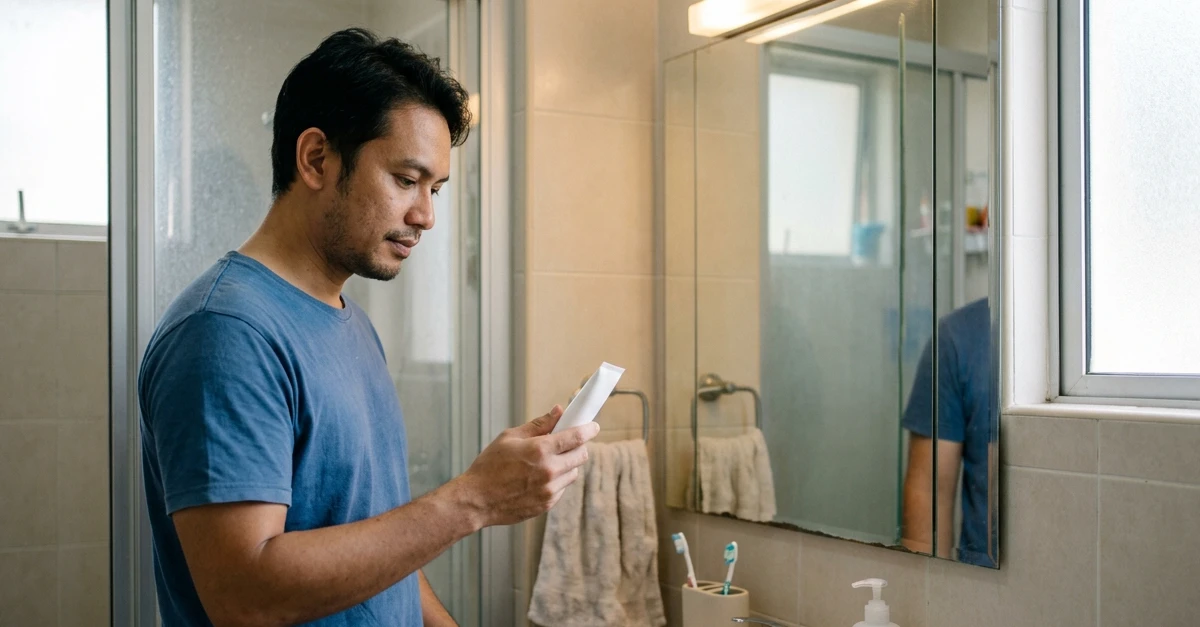
Person standing at a bathroom sink examining a cosmetic tube and applying a small amount of cream to a fingertip, suggesting a skincare routine or product check in a clean, modern setting; relevant to consumer product use and safety evaluation.

China NMPA Introduces New Cosmetic Testing Methods, Effective July 2026

China NMPA adds four new cosmetic testing methods effective July 2026, impacting compliance and safety assessment strategies.

April 17, 2026
China NMPA Introduces New Cosmetic Testing Methods, Effective July 2026

NMPA Strengthens Cosmetics Oversight with New CBD Testing Methods

China’s NMPA updates cosmetics testing methods, adding CBD detection and tighter impurity controls impacting global compliance.

April 17, 2026
NMPA Strengthens Cosmetics Oversight with New CBD Testing Methods

Indonesia BPOM Strengthens Cosmetic Clinical Trial Requirements Under Regulation No. 34 of 2025

Indonesia’s BPOM has strengthened clinical trial approval procedures and introduced detailed requirements for cosmetic clinical trials.

April 17, 2026
Indonesia BPOM Strengthens Cosmetic Clinical Trial Requirements Under Regulation No. 34 of 2025

Vietnam Cuts Advertising Red Tape for Healthcare Products

Vietnam’s MoH recently published Circular drops several healthcare advertising regulations and streamlines requirements for many categories.

April 17, 2026
Vietnam Cuts Advertising Red Tape for Healthcare Products
Previous
Previous

Get in Touch with Our Cosmetics Team

Ready to align your cosmetic products with China’s regulatory and quality standards? Submit your request for proposal and partner with Cisema to ensure your products are safe, compliant, and inspection-ready for the Chinese market.

Request Proposal