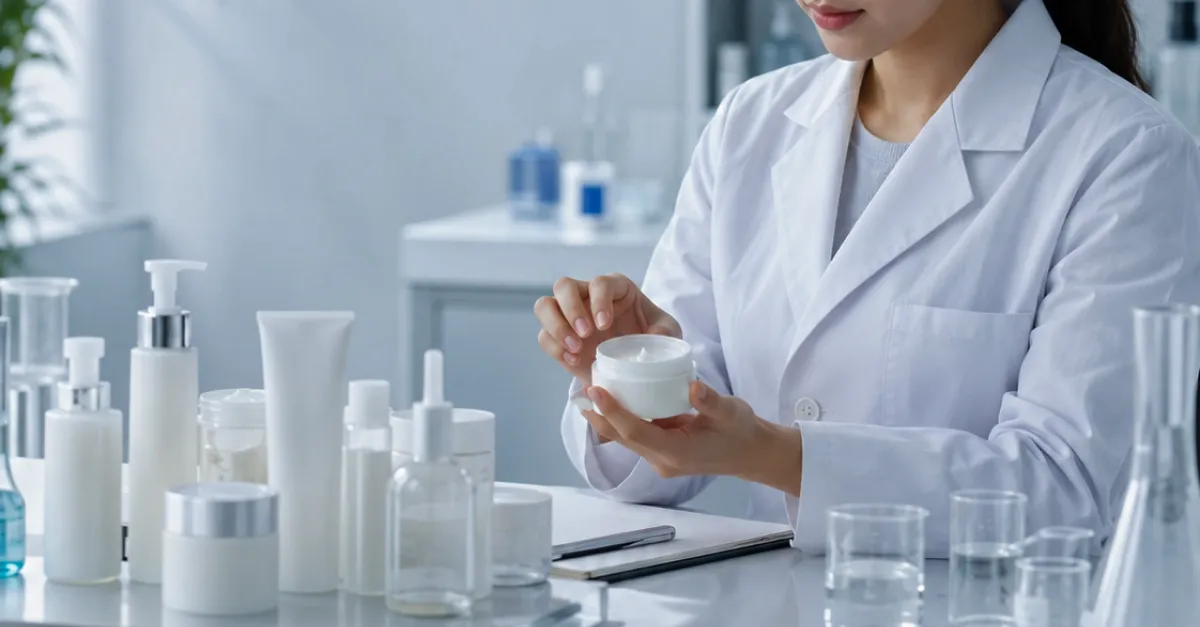
Cosmetovigilance in China

China’s regulatory landscape for cosmetics is evolving, with a heightened focus on post-market oversight. Under the Cosmetic Supervision and Administration Regulation (CSAR), the National Medical Products Administration (NMPA) is increasing its attention on cosmetovigilance, requiring manufacturers to actively monitor and manage cosmetic product safety after market entry.

To ensure your cosmetic products remain compliant throughout their lifecycle, it is essential to have a comprehensive cosmetovigilance system in place. Cisema supports you with adverse reactions monitoring, regulatory documentation, and lifecycle reporting tailored to China’s expectations.


Undesirable effects of cosmetic products
Cosmetovigilance in China

Understanding Cosmetovigilance Under CSAR

Cosmetovigilance refers to the structured monitoring of cosmetic product safety once products are available to consumers. In China, this includes a range of responsibilities placed on responsible persons to ensure traceability and consumer protection.

Obligations include:

Reporting of adverse reactions, serious undesirable effects, and other undesirable effects caused by the use of a cosmetic
Addressing undesirable events observed and taking appropriate corrective measures
Archiving batch records, import logs, and retained samples under normal or reasonably foreseeable use
Cooperating with the competent authority in cases involving product recalls, permanent functional incapacity, or immediate vital risk

These measures apply to both general and special cosmetic products, and failure to comply can lead to regulatory penalties, delisting from the market, or suspension of rights for commercial purposes.

The Critical Role of the Responsible Person in Cosmetovigilance

Meeting post-market obligations under CSAR requires the appointment of a legally designated responsible person, also known as the Domestic Responsible Agent. This person ensures the cosmetic product safety report is properly maintained, all undesirable effects are recorded, and any serious undesirable incidents are submitted promptly.

The responsible person is also tasked with:

Retaining samples and batch documentation for all cosmetic products
Managing spontaneous reports from consumers, doctors, or the competent authority
Supporting investigations linked to adverse effects or skin reactions.

Cisema can serve as your responsible person in China, ensuring full regulation compliance and fast response to all safety incidents.

Adverse Reactions

In May 2024, China’s NMPA finalized its guidelines on adverse reactions, reinforcing the need for accurate and timely reporting by registrants and manufacturers. All undesirable events linked to a cosmetic product must be assessed for severity and reported according to fixed timelines:

Severity Level

Description

Deadline

General Reactions

Mild irritation or discomfort under normal use

Within 30 days

Serious Undesirable Effects

Events involving hospitalization, congenital anomalies, or vital risk

Within 15 days

Social Impact Events

High-profile cases affecting human health or media coverage

Within 3 days

General Reactions

Description

Mild irritation or discomfort under normal use

Deadline

Within 30 days

Serious Undesirable Effects

Key Goal

Events involving hospitalization, congenital anomalies, or vital risk

Applies To

Within 15 days

Social Impact Events

Key Goal

High-profile cases affecting human health or media coverage

Applies To

Within 3 days

Submissions must include product batch, symptoms affecting the human body (including mucous membranes, oral cavity, external parts, and external genital organs), investigation findings, and a risk evaluation.

Companies are also required to store records for at least three years and must maintain corrective measures and documentation to resolve ongoing safety issues.

Daily Monitoring of NMPA’s Adverse Event Monitoring System

To protect consumers and ensure compliance, Cisema conducts daily checks of China’s NMPA adverse event monitoring platform. This allows us to:

Detect undesirable effects and adverse effects reported by doctors, distributors, or healthcare professionals
Alert clients immediately to incidents involving their cosmetic products
Begin internal evaluation and initiate required corrective measures
Ensure timely reporting to the competent authority within regulated timeframes.

This proactive approach ensures consumer safety, strengthens cosmetic product safety, and enhances your brand’s reputation in the Chinese market.

Regulatory excellence for cosmetics companies

Cisema’s Cosmetovigilance Services

We offer full lifecycle support for your cosmetovigilance obligations in China:

1

System Design

Custom cosmetovigilance system aligned with Chinese laws and standards
Reporting workflows for undesirable events, serious adverse reactions, and spontaneous reports

2

Intake & Reporting

Multilingual support for collecting and documenting adverse reactions
Risk classification and timelines based on CSAR and international guidelines
Submission of structured reports to NMPA

3

Investigation & Records

Ongoing documentation of events and well being impacts
Trend analysis of potential risks
Internal reporting to inform decisions and maintain product safety

4

Education & Compliance

Training for your internal team to increase awareness
Ongoing updates based on Chinese regulatory trends.

Why Choose Cisema?

Trusted by international cosmetics brands across the market
Expert management of China’s unique cosmetovigilance expectations
Real-time NMPA monitoring for full consumer protection
Clear reporting, response, and resolution framework
Dedicated team for safety, regulation, and incident management.
Role of a China Agent

Request a Proposal for Cosmetovigilance Services

Request Proposal

Useful Articles

View More

Understanding Indonesia Halal Cosmetic Certification Requirements

Learn how Indonesia halal cosmetic certification works, including BPJPH requirements, halal labeling rules, ingredient compliance, and registration obligations.

May 20, 2026
Understanding Indonesia Halal Cosmetic Certification Requirements

China Hyaluronic Acid Registration: A Complete Guide

A complete guide to China hyaluronic acid registration, covering classification, NMPA requirements, and compliance steps for manufacturers.

April 27, 2026
China Hyaluronic Acid Registration: A Complete Guide

How Singapore Accelerates ASEAN Market Entry for Medical Devices, Pharma, and Cosmetics

This guide explains Singapore’s HSA regulatory system and why it is a strategic first step for entering Southeast Asian markets with medical devices, pharmaceuticals, and cosmetics.

April 23, 2026
How Singapore Accelerates ASEAN Market Entry for Medical Devices, Pharma, and Cosmetics
Expand into Southeast Asia with Confidence – Singapore as Your Regulatory Gateway

Vietnam Cosmetics Registration: What Japanese Cosmetics Manufacturers Need to Know

From registration to tariffs and CPTPP benefits, here’s what Japanese cosmetics manufacturers need to know about Vietnam’s cosmetics market.

April 23, 2026
Vietnam Cosmetics Registration: What Japanese Cosmetics Manufacturers Need to Know

Singapore Cosmetic Product Registration: A 5 Step Guide

Navigate cosmetic product registration in Singapore in this guide offering key insights and practical tips.

April 23, 2026
Singapore Cosmetic Product Registration: A 5 Step Guide

Cosmetic Product Registration in Malaysia: A 5-Step Guide to NPRA Cosmetic Notification

Learn how to register cosmetics in Malaysia under NPRA’s notification system aligned with the ASEAN Cosmetic Directive.

April 23, 2026
Cosmetic Product Registration in Malaysia: A 5-Step Guide to NPRA Cosmetic Notification
Malaysia Cosmetic Product Registration: NPRA Notification Process
Previous
Previous

Explore Related Services

Whether you’re just starting out or are a blue-chip, access our wide range of services and solutions to help your business thrive.

NMPA Cosmetics Domestic Responsible Agent

As your legally appointed responsible person in China, we manage all filings and registrations, maintain regulatory communications, and ensure full compliance with quality and post-market surveillance (PMS) obligations. Maintain control of your certificates and market access with a trusted, independent DRA.

Learn more

NMPA Cosmetic Filing & Registration Services

Our China Cosmetic Filing & Registration services guide companies through every step of the NMPA filing and registration process for general and special cosmetics, ensuring full compliance with CSAR requirements for safe, efficient, and successful market access in China.

Learn more

China GMP Audits

We assess your current manufacturing practices against China’s Good Manufacturing Practices (GMP) for cosmetics. Our team conducts gap analyses, mock inspections, and supports corrective and preventive actions (CAPAs) to ensure your facilities meet NMPA requirements for both filing and registration.

Learn more

Cosmetics Ingredients

Whether registering a new cosmetic ingredient or obtaining a Chinese Ingredient Code an ingredient that is already approved for use in China, our regulatory team provides complete support. We guide you through safety documentation, ingredient conformity checks, and regulatory submissions to ensure seamless compliance.

Learn more

China Cosmetics Testing Services

The NMPA is placing greater focus on cosmetic post-market surveillance (PMS) such as more in-market sampling and factory inspections.Our cosmetovigilance experts support you to maintain compliance throughout your product's lifecycle.

Learn more

China Cosmetic Quality 
Control & Compliance

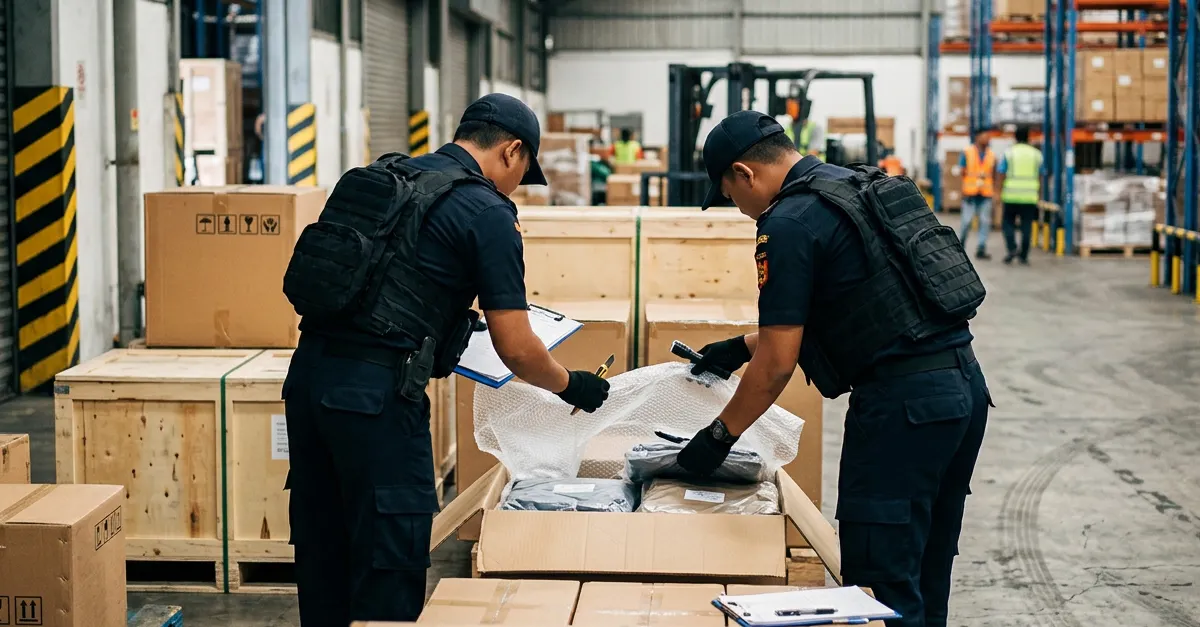
Ensure your cosmetic products meet all safety and technical standards required under the CSAR framework. We help you review and adapt your quality management system, align with labeling and packaging regulations, and close any compliance gaps before market entry or inspection.

Learn more

Latest Insights

View More

China Overhauls Cosmetics Import Rules Under GACC Order No. 284

New customs measures taking effect in December 2026 will reshape how cosmetics are inspected, cleared, labeled, and electronically verified in China.

May 29, 2026
China Overhauls Cosmetics Import Rules Under GACC Order No. 284
Chinese consumer in her early 30s standing in a bright modern bathroom, calmly applying facial moisturizer from a plain unbranded cosmetic container while looking into a mirror.

China Launches National AI Roadmap for Pharmaceuticals, Medical Devices, & Cosmetics Supervision

China’s NMPA released a AI roadmap for smarter supervision across drugs, medical devices, and cosmetics regulation, covering AI-supported review, inspections, traceability, risk monitoring, and digital governance through 2035.

May 15, 2026
China Launches National AI Roadmap for Pharmaceuticals, Medical Devices, & Cosmetics Supervision
A business professional sits at a conference table using a laptop displaying a glowing digital brain graphic with the text “AI.” The setting appears to be a modern office with large windows and blurred city buildings in the background.

China Issues Six Technical Guidelines (Trial) for Hair Dye, Perming, & Sunscreen Cosmetics 

China’s NIFDC releases 6 new technical guidelines for high-risk cosmetics, impacting hair dye, perming, and sunscreen product compliance.

May 8, 2026
China Issues Six Technical Guidelines (Trial) for Hair Dye, Perming, & Sunscreen Cosmetics 
A young Asian woman in understated casual clothing holding a single unbranded boxed hair dye product slightly angled toward her as she studies the ingredient panel.

Hong Kong Clarifies Classification of Injectable Products

Hong Kong classifies classifcation of injectable products, impacting medical aesthetics and borderline products.

May 13, 2026
Hong Kong Clarifies Classification of Injectable Products
Minimalist, well-lit medical aesthetics clinic in Hong Kong. An Asian female doctor in a simple white coat and disposable gloves sits beside a female patient, holding a single unbranded prefilled syringe at chest level.

Taiwan Abolishes Legacy Cosmetics Review Fees

TFDA eliminates legacy cosmetics review fees, reducing compliance costs for foreign companies.

May 5, 2026
Taiwan Abolishes Legacy Cosmetics Review Fees
Team reviews cosmetics documents for regulatory compliance and market access in Taiwan

Vietnam Authorities Step Up Cosmetic Recalls as Enforcement Tightens

Vietnam’s Drug Administration (DAV) is stepping up cosmetic product recalls as post-market surveillance tightens.

April 23, 2026
Vietnam Authorities Step Up Cosmetic Recalls as Enforcement Tightens
Two office professionals sit at a desk in an office reviewing cosmetic and skincare product packaging alongside printed documents and binders. One person examines a product bottle while the other works on a laptop, suggesting regulatory compliance review.
Previous
Previous

Ensure Long-Term Access & Product Safety in China

Strengthen your product safety strategy with daily monitoring, expert reporting, and compliant documentation across the product lifecycle.

Request Proposal