China Cosmetic Registration
As your trusted regulatory partner, Cisema provides strategic and operational expertiseto accelerate the successful commercialization of life sciences products and other regulated goods across China cosmetic registration is governed by a comprehensive regulatory framework administered by the National Medical Products Administration (NMPA). The foundation of this system is the Cosmetic Supervision and Administration Regulation (CSAR), which came into effect in 2021 and remains the central regulation for cosmetics oversight in China.
CSAR applies to both domestic and imported cosmetics and is structured around a dual system for pre-market registration and approval, depending on product classification and associated risk:and the broader Asia Pacific region.
Each pathway comes with its own set of documentation, safety assessment obligations, and compliance requirements defined under CSAR and its supporting rules and technical standards.
Understanding the Dual Registration System
General or ordinary cosmetics, such as standard skincare, makeup, haircare, and fragrance products, follow a streamlined filing system. Both domestic and imported general cosmetics can typically achieve market access through electronic filing, provided they meet safety requirements and include a complete Product Safety Assessment Report (PSAR). In this process, cosmetic registrants are responsible for ensuring product safety, accuracy of documentation, and compliance with all applicable technical standards.
Special cosmetics, including hair dyes, perm products, anti-hair loss formulations, sunscreens, freckle-removing and whitening products, and those with new or specific efficacy claims, require more extensive evaluation through the registration management process. These products undergo a technical review conducted by NMPA supervision departments, involving detailed assessment of efficacy claim substantiation, human safety testing, and comprehensive ingredient analysis.
Cosmetic Ingredients & Raw Materials Management
The regulation of cosmetic raw materials follows a risk-based approach that distinguishes between existing cosmetic ingredients already listed in China’s approved list known as the Inventory of Existing Cosmetic Ingredients in China (IECIC) and new cosmetic raw materials which require separate approval. New cosmetic ingredients registration becomes necessary when formulations contain new raw materials or artificial raw materials not previously used in the Chinese market.
High-risk cosmetic ingredient categories such as preservatives, UV filters, colorants, and active ingredients for hair dyeing or anti hair loss applications must undergo rigorous registration procedures. Lower-risk new cosmetic raw materials may qualify for simplified filing or notification processes, though all require comprehensive safety evaluation data and post-market adverse reaction monitoring commitments.
The Domestic Responsible Person Requirement
Foreign companies seeking to sell cosmetics products in China must appoint a local domestic entity to serve as the responsible person for regulatory compliance. This domestic responsible person assumes legal accountability for product safety, filing system management, cosmetics adverse reactions reporting, and ongoing supervision and inspection work coordination.
The responsible person must maintain a quality management system suitable for overseeing product lifecycle management, from initial registration and filing through post-market safety monitoring. This includes establishing protocols for cosmetic adverse reaction monitoring, maintaining product testing reports, and ensuring compliance with mandatory national standards governing cosmetic labeling and safety documentation
Cisema is the appointed DRA for many overseas companies; discover more about our China Cosmetic Domestic Responsible Person services here.
Filing & Registration Procedures
The electronic filing certificate process for ordinary cosmetics generally allows immediate market access upon successful submission of required documentation. Companies must provide comprehensive product safety assessment documents, ingredient declarations, manufacturing information demonstrating Good Manufacturing Practices compliance.
Special cosmetics follow a more complex registration license pathway requiring preliminary review of submitted dossiers. The NMPA conducts thorough technical review of efficacy claim substantiation, human efficacy evaluation data, and comprehensive safety monitoring system documentation before issuing approval licenses.
Animal Testing & Alternative Methods
Recent regulatory developments have significantly modified animal testing requirements, particularly for imported general cosmetics. Products manufactured outside China may avoid mandatory animal testing by providing alternative safety data, demonstrating home government GMP certification, and meeting specific testing methods requirements established by international standards.
However, certain special cosmetics categories, particularly those involving novel ingredients or making specific efficacy claims, may still require animal testing data as part of the registration management process. The regulatory framework continues evolving toward greater acceptance of alternative testing methods while maintaining stringent safety standards.
Post-Market Compliance & Monitoring
Once products achieve market access through either filing certificate or registration license pathways, companies must maintain robust adverse reactions monitoring systems. This includes establishing protocols for cosmetic safety incident reporting and responding promptly to any safety concerns identified through post-market supervision.
The quality management system must support ongoing compliance with cosmetic regulations, including periodic review of product formulations, monitoring of cosmetic ingredients safety profiles, and coordination with relevant services for regulatory updates and guidance.
Strategic Considerations for Market Entry
Cross border e commerce (CBEC) channels offer an alternative pathway though this still requires compliance with core safety requirements and cosmetic labeling standards.
Introduced in 2018, the CBEC pathway, allows sales to private consumers in China via platforms like Tmall Global or JD Worldwide without NMPA filing or registration. This route avoids animal testing and is suitable for general and some special cosmetics. However, CBEC applies only to direct overseas sales to individuals, not to distributors or local retailers.
For sales through mainland e-commerce platforms or physical retail such as department stores and specialty shops, full NMPA compliance is required. This includes filing or registration and may involve testing if exemption conditions are not met.
The evolving regulatory landscape in China continues advancing toward greater harmonization with international standards while maintaining rigorous safety requirements. Success in this market requires thorough understanding of both current requirements and emerging trends in cosmetic regulations, supported by experienced local partnerships and comprehensive compliance systems.
We help assess the most appropriate entry route based on product type, sales model, and compliance requirements, ensuring a smooth and strategic launch in China.
Our China Cosmetic Registration Services
We support both general and special cosmetics through every step of the regulatory approval process in China.
For general cosmetics, we manage the full filing procedure, which allows immediate market access once the required documents are submitted and accepted. For special cosmetics, we guide you through the more complex registration process, which includes technical review, safety evaluations, and issuance of a five-year license.
Our bilingual regulatory experts ensure that every dossier meets current Chinese regulatory expectations, minimizing delays and maximizing approval success.
Request a Proposal for China Cosmetics Registration & Filing Services
Let Cisema help turn your plans into reality.


Explore Related Services
Whether you’re just starting out or are a blue-chip, access our wide range of services and solutions to help your business thrive.
NMPA Cosmetics Domestic Responsible Agent
As your legally appointed responsible person in China, we manage all filings and registrations, maintain regulatory communications, and ensure full compliance with quality and post-market surveillance (PMS) obligations. Maintain control of your certificates and market access with a trusted, independent DRA.
China Cosmetic Quality Control & Compliance
Ensure your cosmetic products meet all safety and technical standards required under the CSAR framework. We help you review and adapt your quality management system, align with labeling and packaging regulations, and close any compliance gaps before market entry or inspection.
China GMP Audits
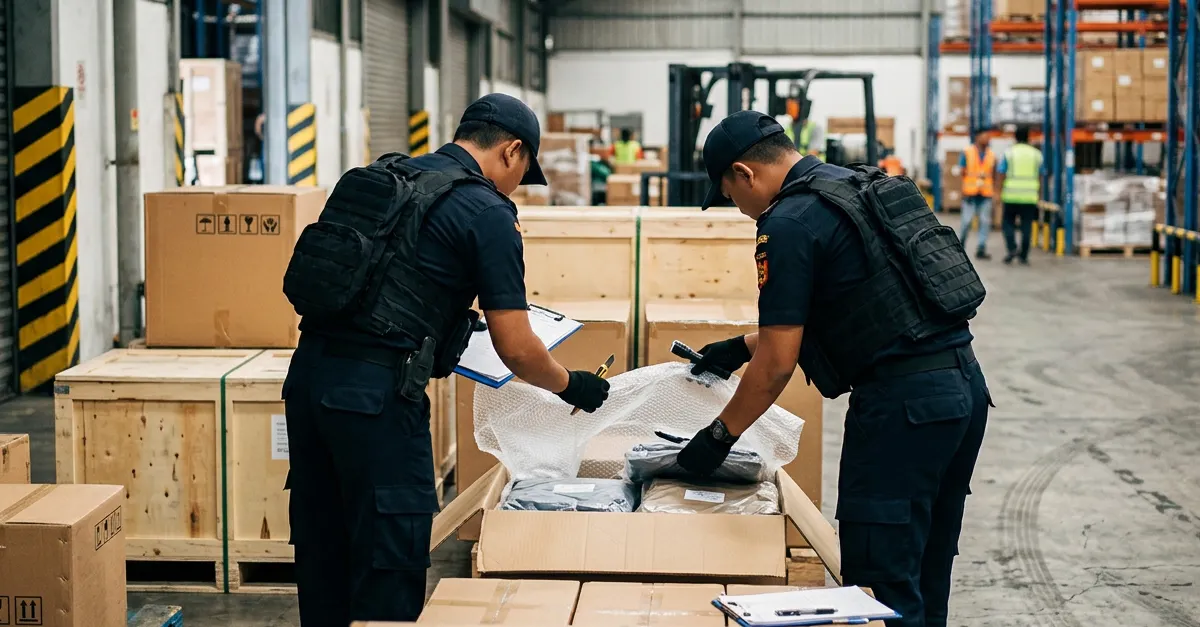
We assess your current manufacturing practices against China’s Good Manufacturing Practices (GMP) for cosmetics. Our team conducts gap analyses, mock inspections, and supports corrective and preventive actions (CAPAs) to ensure your facilities meet NMPA requirements for both filing and registration.
Cosmetics Testing Services
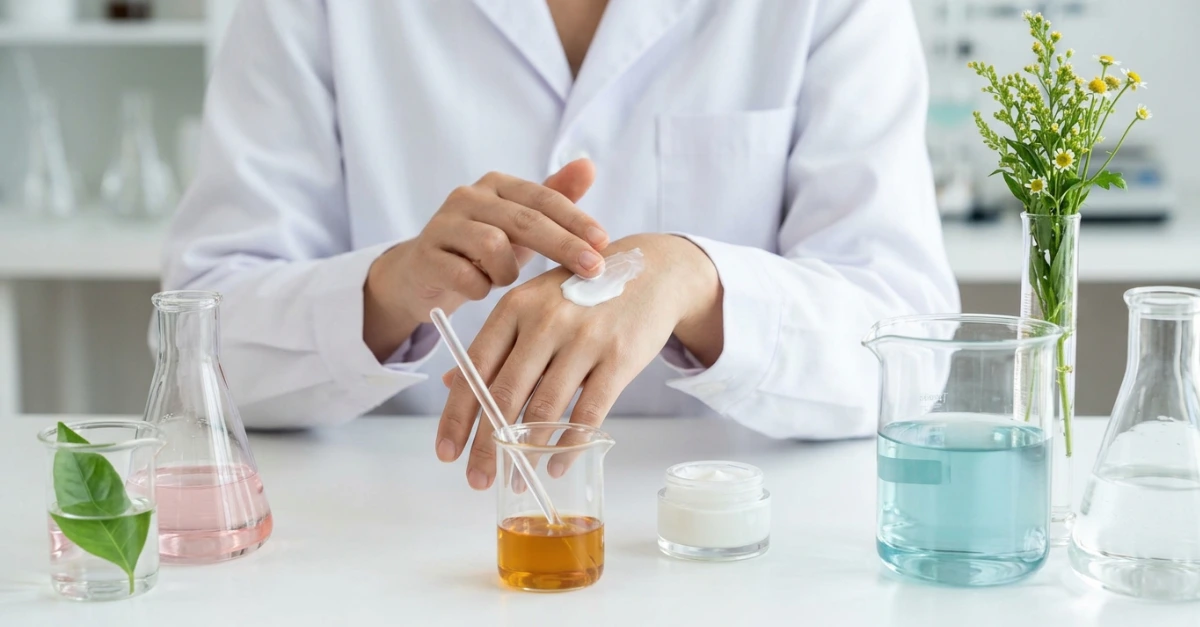
We coordinate testing for cosmetic ingredients and finished products through certified NMPA-accredited laboratories in China. Our end-to-end support covers microbiological, toxicological, efficacy, and safety testing, ensuring compliance with regulatory requirements and product claims.
Cosmetovigilance
The NMPA is placing greater focus on cosmetic post-market surveillance (PMS) such as more in-market sampling and factory inspections.Our cosmetovigilance experts support you to maintain compliance throughout your product's lifecycle.
Cosmetics Ingredients
Whether registering a new cosmetic ingredient or obtaining a Chinese Ingredient Code an ingredient that is already approved for use in China, our regulatory team provides complete support. We guide you through safety documentation, ingredient conformity checks, and regulatory submissions to ensure seamless compliance.