
Cosmetics
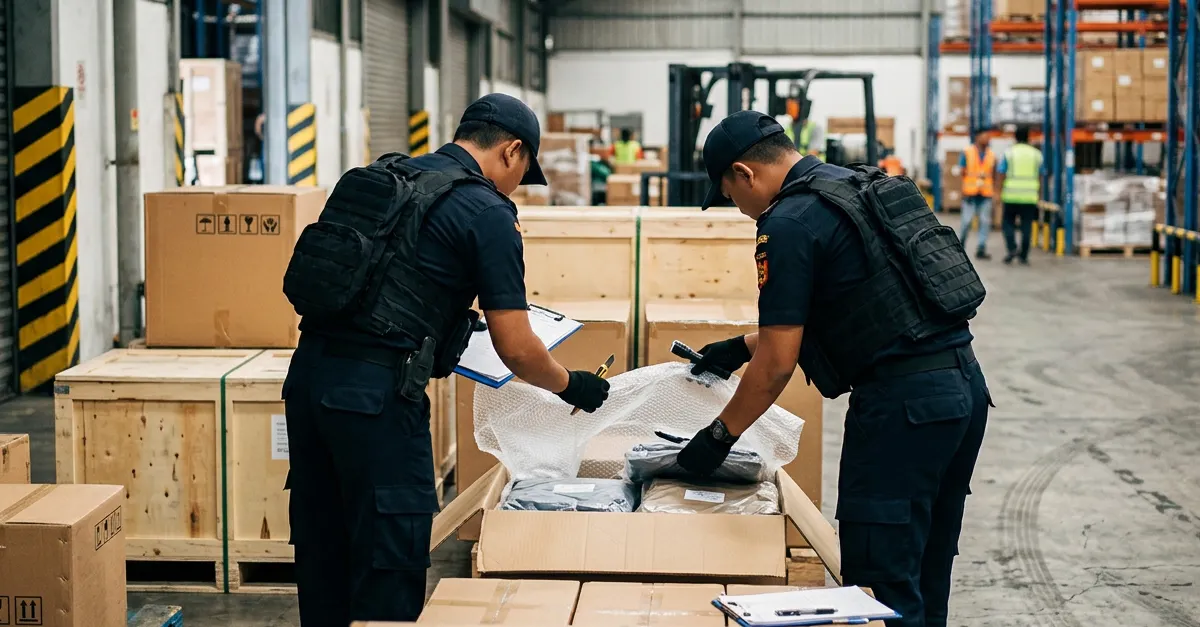
BPJPH Regulation No. 4 of 2026 introduces pre-shipment halal verification and LPPH reports for imported goods starting September 2026.

China's NMPA has established two supplementary testing methods to detect prohibited substances in cosmetics with high-sensitivity liquid chromatography.
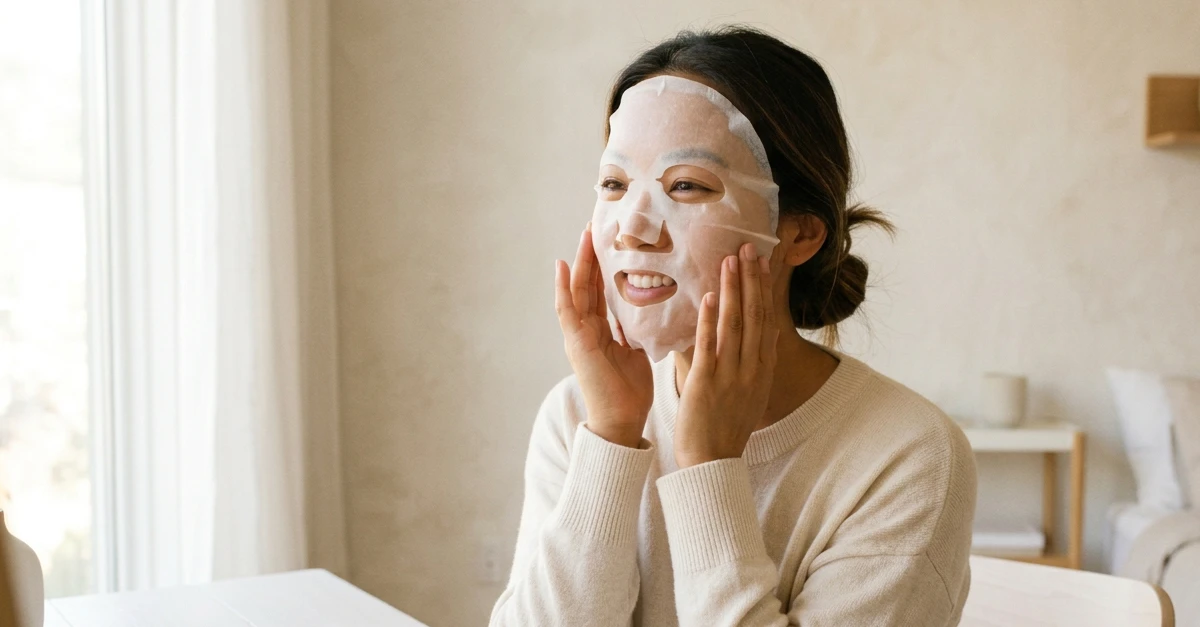
China’s latest regulatory change removes the NCI registration hurdle for these ingredients, with new limits and compliance requirements now applying to finished cosmetic products.

Taiwan's TFDA has revised its processing time limits table for public applications, adding eight application items and amending two existing items.

Circular No. 2/2026 revises prohibited, restricted, colorant, and preservative requirements for cosmetics marketed in Malaysia.

Brands must audit ingredients, suppliers and packaging before January 2028 to ensure compliance with GB 7916-2026.

Companies can benefit from expanded toxicology data exemptions, simplified cosmetics registration procedures, and more efficient compliance pathways

As of July 1, 2026, Taiwan has completed its cosmetic GMP rollout, extending mandatory ISO 22716-based manufacturing standards to nearly all cosmetic factories

New NCI rules reduce administrative burden, streamline dossiers, and expand opportunities to reuse existing safety data.
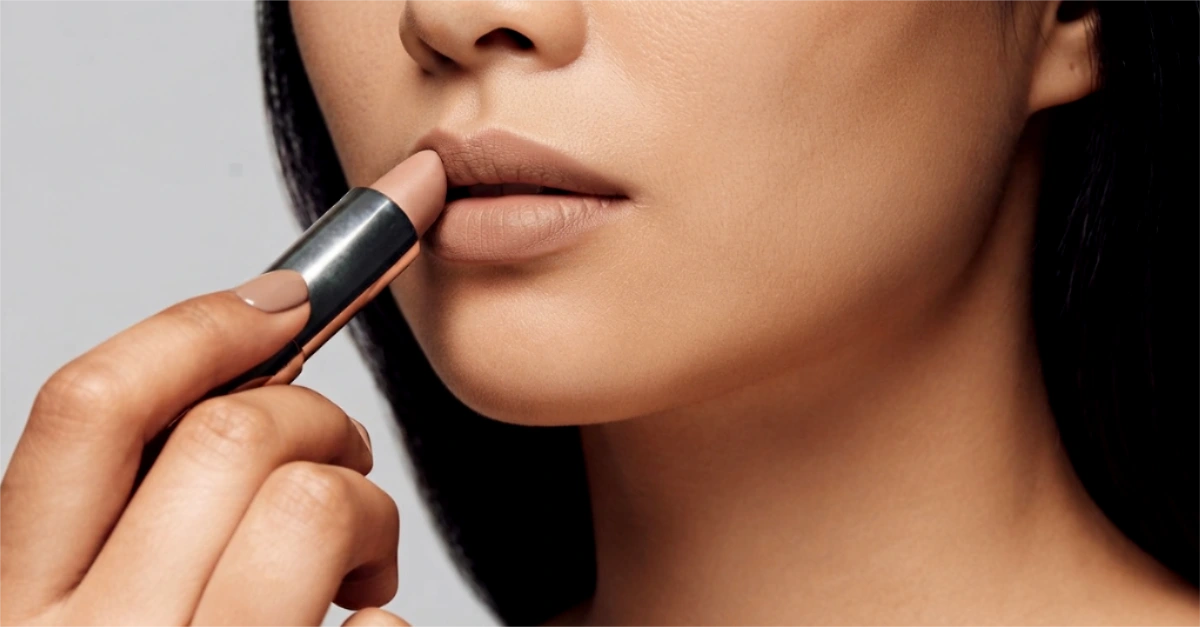
Review China's new draft standards for cosmetic cheilitis and contact urticaria before the August 15, 2026, consultation deadline.
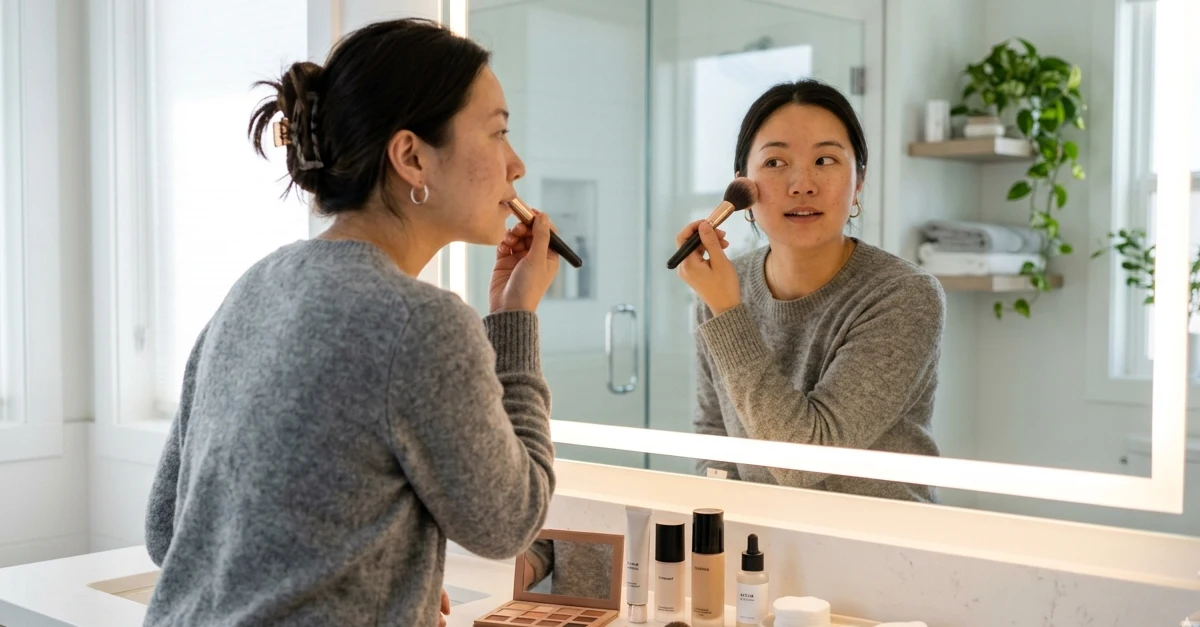
New data on cosmetic registrations, ingredient filings, safety assessments, and standards development reveals key compliance trends in China.
New customs measures taking effect in December 2026 will reshape how cosmetics are inspected, cleared, labeled, and electronically verified in China.
Get in Touch with our Certifications team
And discover how we can support you in getting your products certified for China.