
Cosmetics

Indonesia extends halal certification deadlines for medicines, medical devices, cosmetics, and other regulated products, giving additional time to meet compliance requirements.

Discover the eight efficacy categories, revised filing requirements, and key compliance deadlines that toothpaste manufacturers and importers must meet.

The announcement sets tighter thresholds, testing mandates, and exemption pathways for foreign brands selling cosmetics and toothpaste in China.

Learn how Vietnam’s Apostille Decree may affect medical device registration and cosmetic product notification, including CFS, LOA, and document legalization requirements.
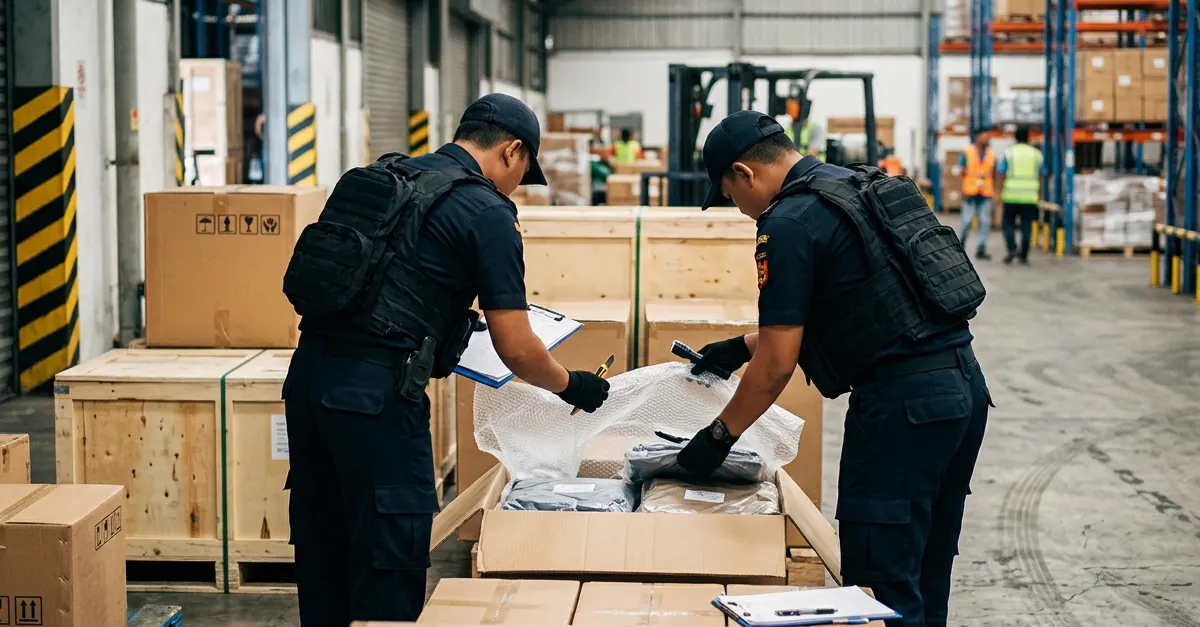
BPJPH Regulation No. 4 of 2026 introduces pre-shipment halal verification and LPPH reports for imported goods starting September 2026.

China's NMPA has established two supplementary testing methods to detect prohibited substances in cosmetics with high-sensitivity liquid chromatography.
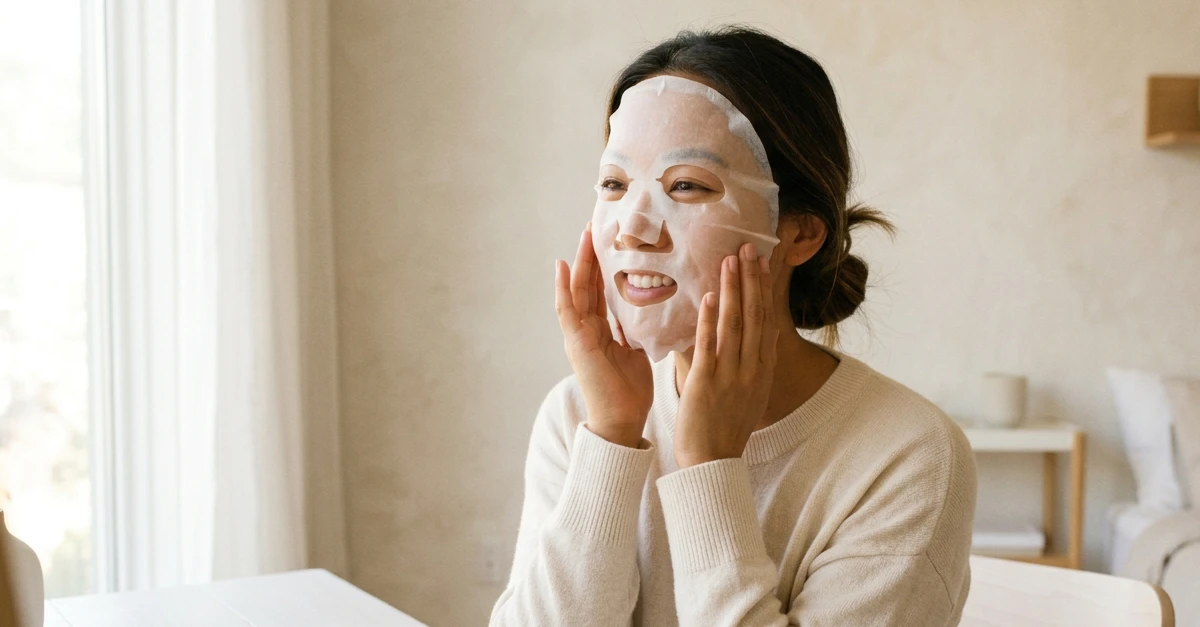
China’s latest regulatory change removes the NCI registration hurdle for these ingredients, with new limits and compliance requirements now applying to finished cosmetic products.

Taiwan's TFDA has revised its processing time limits table for public applications, adding eight application items and amending two existing items.

Circular No. 2/2026 revises prohibited, restricted, colorant, and preservative requirements for cosmetics marketed in Malaysia.

Brands must audit ingredients, suppliers and packaging before January 2028 to ensure compliance with GB 7916-2026.

Companies can benefit from expanded toxicology data exemptions, simplified cosmetics registration procedures, and more efficient compliance pathways

As of July 1, 2026, Taiwan has completed its cosmetic GMP rollout, extending mandatory ISO 22716-based manufacturing standards to nearly all cosmetic factories
Get in Touch with our Certifications team
And discover how we can support you in getting your products certified for China.